Musk trial turns on whether Altman can be trusted about OpenAI
The OpenAI trial became a referendum on Sam Altman’s credibility, with a jury set to weigh whether promises about nonprofit purpose were broken.

The fight over OpenAI’s future narrowed to a question of trust: whether Sam Altman should be believed when he says the nonprofit mission survived the company’s turn toward money and scale. In a federal courtroom in Oakland, the three-week trial centered on Elon Musk’s claim that OpenAI abandoned the promise that drew him in, replacing public-minded research with a structure built to enrich insiders.
Musk sued OpenAI, Altman and president Greg Brockman in 2024, arguing that the company broke its founding bargain after starting in 2015 as a nonprofit. Musk testified that he invested about $38 million in the early years. Altman told jurors he never promised Musk that OpenAI would remain a nonprofit, while also describing that nonprofit as being “left for dead” before the later restructuring. The clash put credibility, not just contract language, at the center of the case.
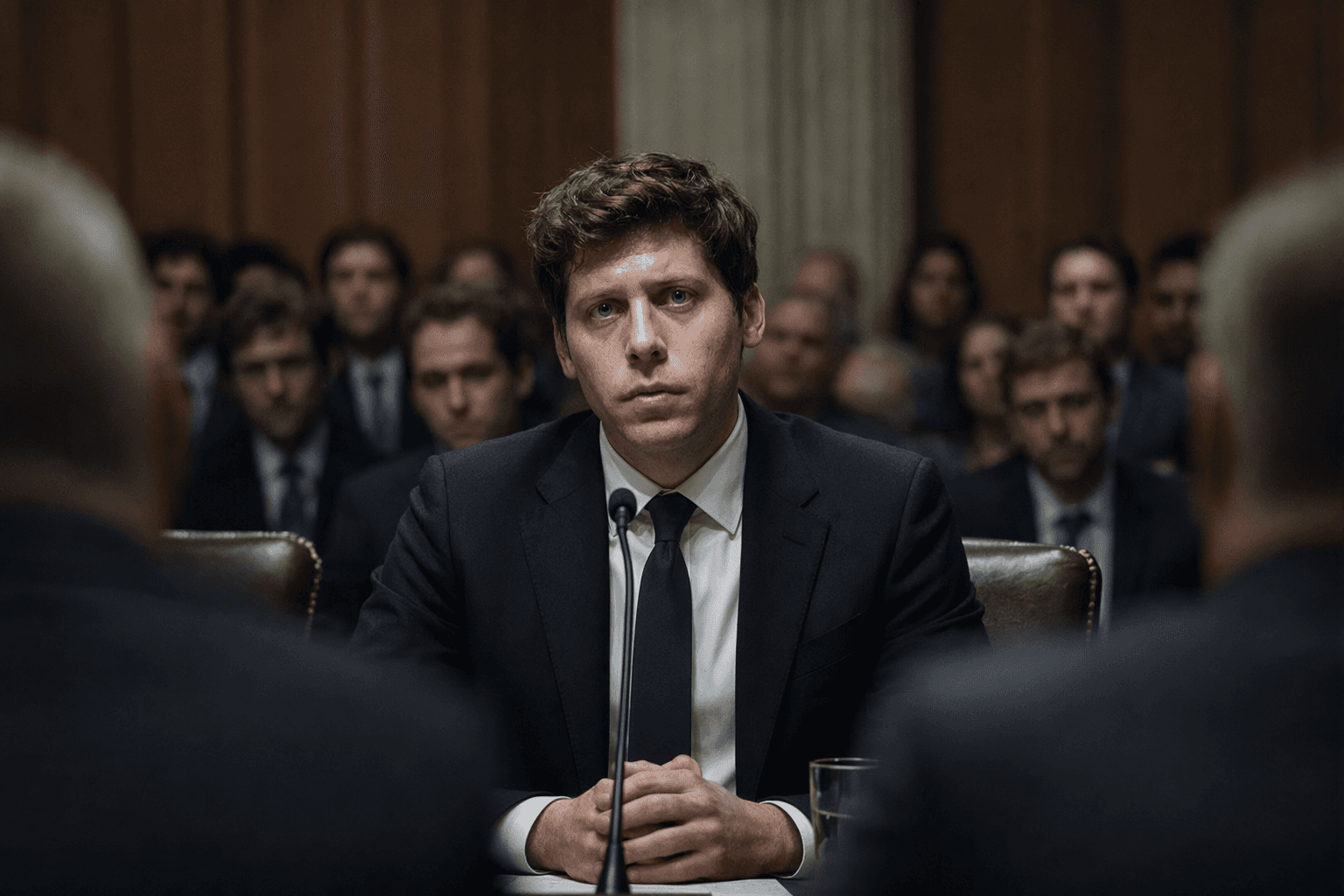
That credibility fight sharpened when Musk acknowledged under cross-examination that he knew there were early discussions about making OpenAI for-profit, but said Altman had reassured him it would stay nonprofit. Former chief scientist Ilya Sutskever added to the pressure on Altman, testifying that he spent about a year collecting evidence for the board that Altman had shown a “consistent pattern of lying.” OpenAI’s lawyers tried to turn the attack back on Musk, with one accusing him of “selective amnesia” and arguing that he waited too long to claim a breach.
The legal stakes now extend well beyond a feud between two Silicon Valley founders. The jury is scheduled to begin deliberations Monday, May 18, but its verdict will only be advisory. U.S. District Judge Yvonne Gonzalez Rogers will make the final decision on liability. That means the case will not end with the jurors, and the judge will decide whether Musk’s claims about OpenAI’s mission and governance carry legal force.
What makes the trial so consequential is the scale of what sits behind it. Trial coverage described OpenAI’s for-profit arm as valued at more than $800 billion, with about $175 billion in investment tied to its structure and assets. That has made the dispute a proxy fight over how loosely defined nonprofit missions can coexist with enormous commercial ambitions. If OpenAI can keep its current path, the case will signal how far trust and governance can be stretched inside the AI boom.
This article was produced by Prism’s automated news system from verified source data, official records, and press releases, then run through automated quality and moderation checks before publishing. The system is built and supervised by the people who set the standards it runs under. Read our full AI policy.
Did this article answer your question?