University of Arizona grads boo Eric Schmidt over AI speech and ties
Eric Schmidt’s AI pitch drew repeated boos at Arizona Stadium as graduates confronted a harsher question: who benefits from automation now?
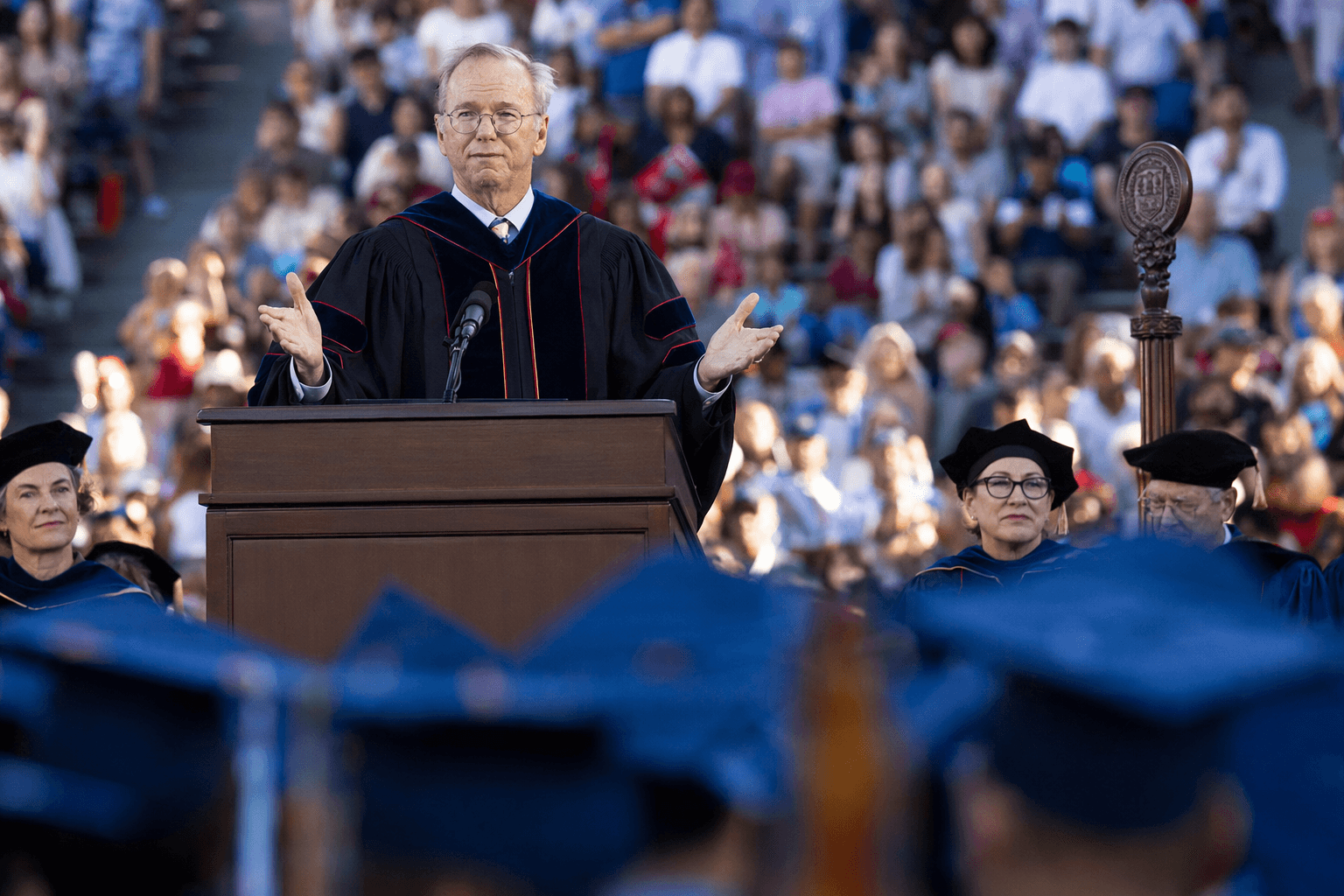
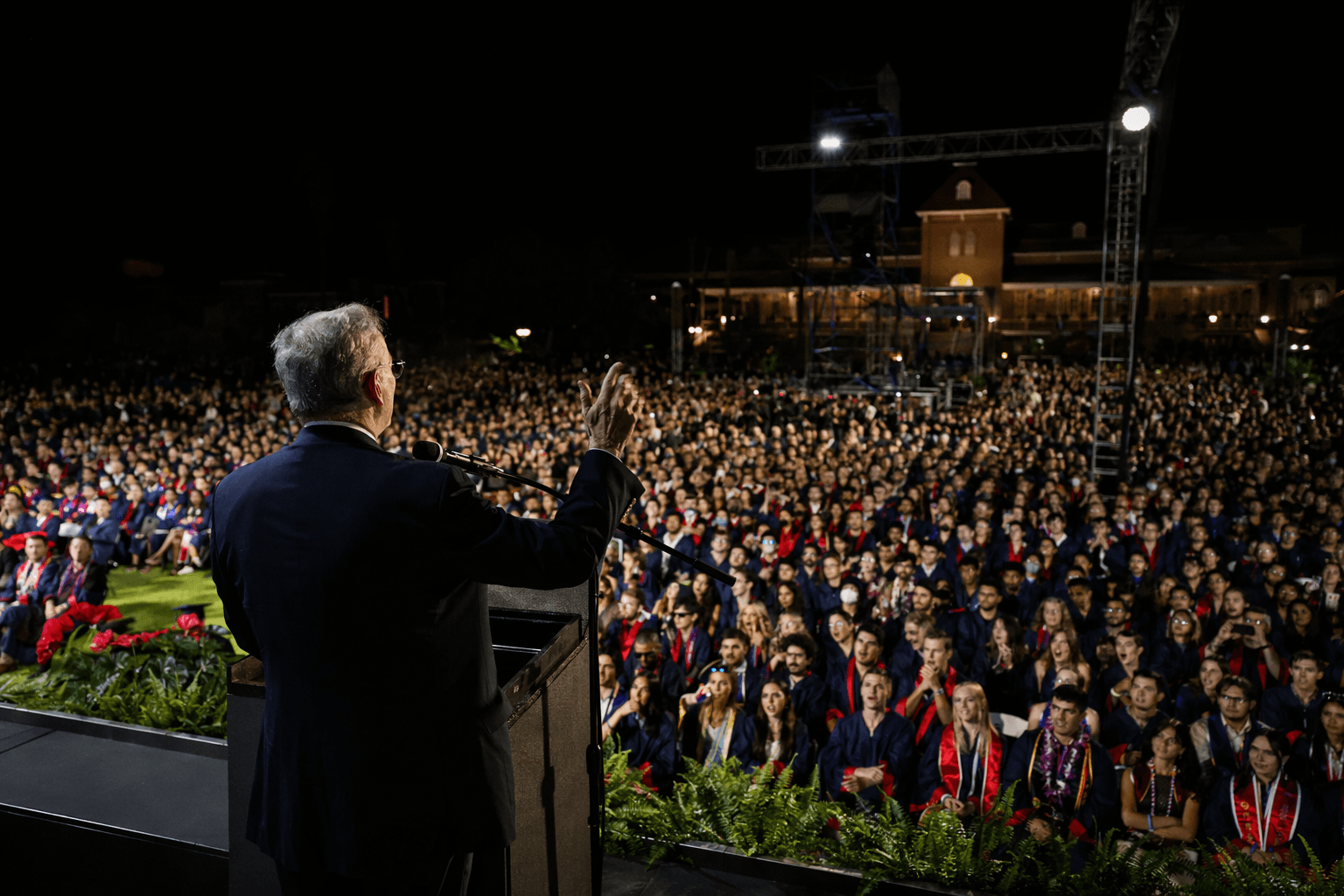
Eric Schmidt was met with repeated boos at the University of Arizona’s commencement ceremony in Tucson on Friday, May 16, 2026, as his remarks turned to artificial intelligence and automation. The reaction cut through Arizona Stadium and turned a celebratory graduation into a pointed rebuke of one of Silicon Valley’s most visible voices.
Schmidt, 71, is the former chief executive of Google, where he led the company from 2001 to 2011, and later served as executive chairman of Alphabet from 2011 to 2015. University officials had announced him in April as the 2026 commencement speaker and said he would also receive an honorary Doctor of Science from the College of Science.
Before the ceremony, student groups had pressed the university to remove Schmidt from the program. Their objections centered on allegations in a lawsuit filed by Schmidt’s former girlfriend and business partner, Michelle Ritter, as well as concerns about Schmidt’s past ties to Jeffrey Epstein. The pushback underscored how contentious the selection had become long before graduates filed into the stadium.
The university had cast Schmidt as a major figure in artificial intelligence and in private scientific investment. Its announcement also highlighted Schmidt Sciences, which is partnering with the University of Arizona on Lazuli, a fully privately funded 3-meter space telescope. The university said its researchers would help develop instruments for the project, linking Schmidt’s presence to the school’s science ambitions as well as to his technology pedigree.
But the boos reflected more than disagreement over one speaker. They also captured a widening anxiety among new graduates facing a labor market where AI feels less like a promise than a threat. A spring 2026 Monster survey found that 89% of recent and upcoming graduates worried AI could replace entry-level jobs. At the same time, the National Association of Colleges and Employers said demand for AI skills in entry-level jobs had nearly tripled since fall 2025.
That gap helps explain why Schmidt’s upbeat message about AI and automation landed so badly with part of the crowd. For many students, the debate is no longer about whether AI will transform work, but whether the people graduating into an uncertain economy will share in the gains or absorb the losses first.
This article was produced by Prism’s automated news system from verified source data, official records, and press releases, then run through automated quality and moderation checks before publishing. The system is built and supervised by the people who set the standards it runs under. Read our full AI policy.
Did this article answer your question?