NAACP urges boycott of Southern universities over Black voting rights
The NAACP is betting that athletes and TV money can do what lawsuits have not: force Southern states to rethink voting-rights fights. Its boycott targets 13 public universities across eight states.
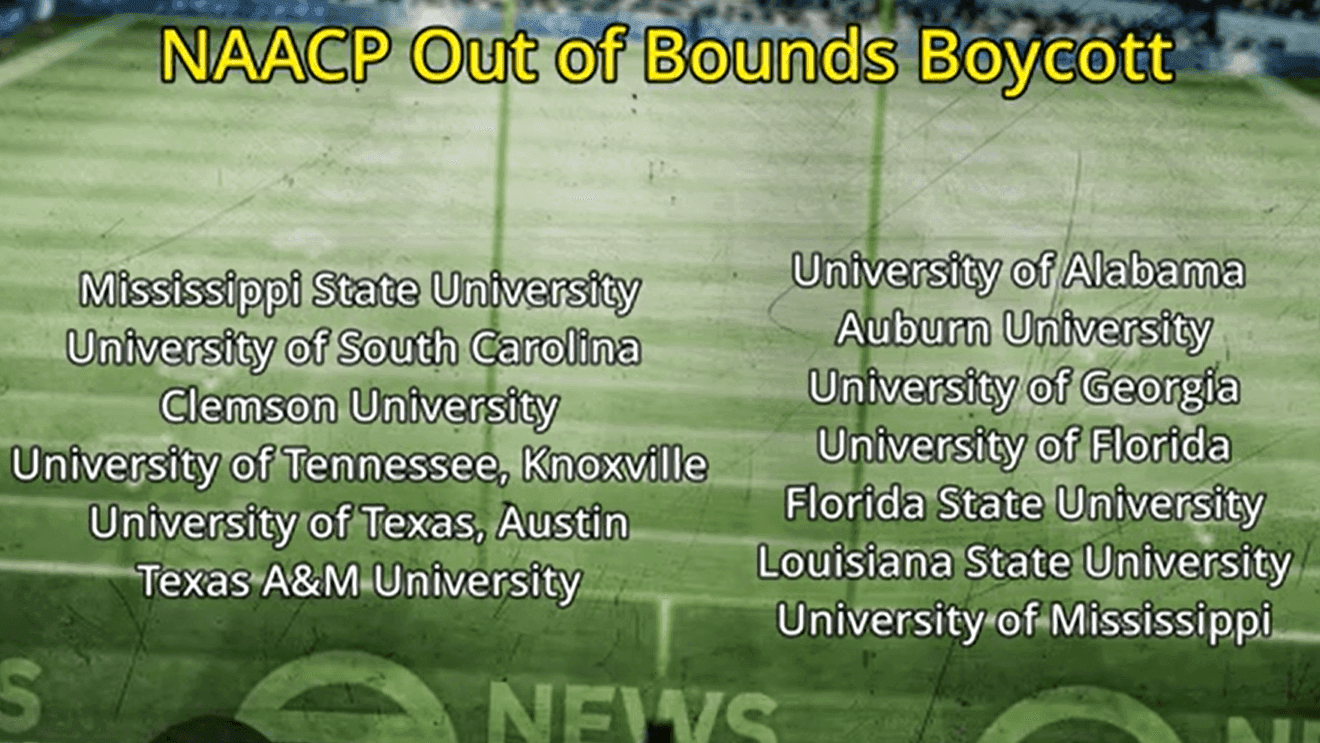
The NAACP is trying to turn college sports into economic pressure in a voting-rights fight, urging Black athletes, recruits, alumni, fans, families and consumers to withhold support from public universities in eight Southern states. The campaign, called Out of Bounds, targets schools in Alabama, Florida, Georgia, Louisiana, Mississippi, South Carolina, Tennessee and Texas, including Alabama, Auburn, Clemson, Florida, Florida State, Georgia, LSU, Ole Miss, Mississippi State, South Carolina, Tennessee, Texas and Texas A&M.
The strategy is blunt: hit the programs where prestige, television money and recruiting pipelines overlap. Derrick Johnson framed the boycott as a response to state efforts to limit, weaken or erase Black political power after the Supreme Court’s April 29 decision in Louisiana v. Callais, a 6-3 ruling involving Louisiana’s congressional map and the future of Voting Rights Act Section 2 challenges. Civil-rights advocates say the decision made it harder to challenge maps that dilute minority voting strength.
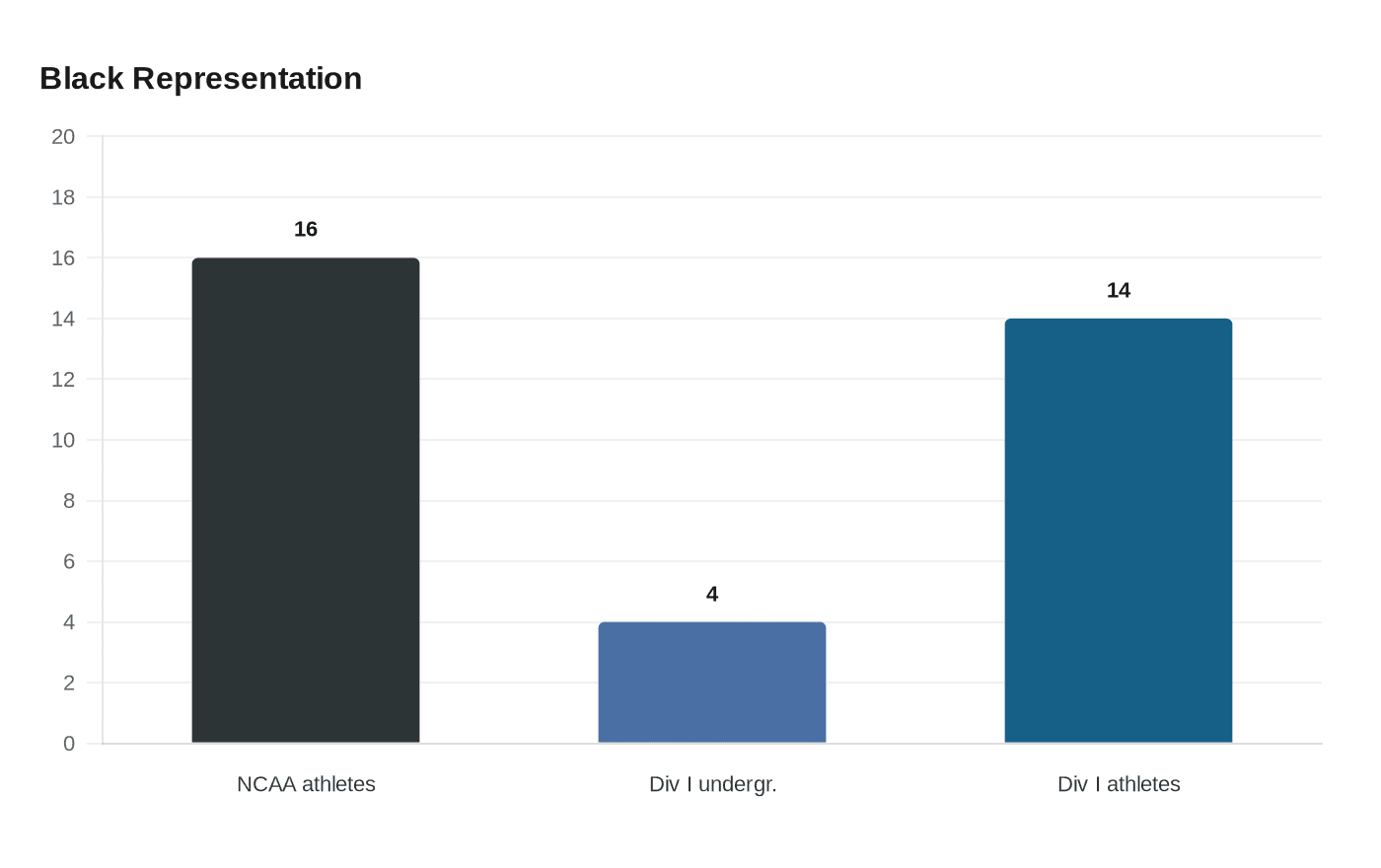
The NAACP is aiming squarely at major public universities that sit inside the SEC and ACC, where football and basketball success depends heavily on elite Black talent. NCAA data show 89,090 Black student-athletes competed in 2024-25, about 16% of all NCAA athletes. Urban Institute research found Black men made up 4% of undergraduates at Division I schools but 14% of Division I athletes, underscoring why organizers see college sports as one of the few places where Black influence can affect both culture and cash.
The group’s bet is that pressure from athletes, recruits, alumni and fans could land where speeches and lawsuits have not. If top prospects, donors and boosters pull back, the impact would reach the schools’ bottom lines through ticket sales, merchandising, donations and the broader television-driven prestige that fuels big-time athletics. Those losses would not stop at campus gates. In states where college football is a civic and economic engine, the boycott is designed to make political leaders feel the cost of redistricting fights in the same places that celebrate Saturday crowds.
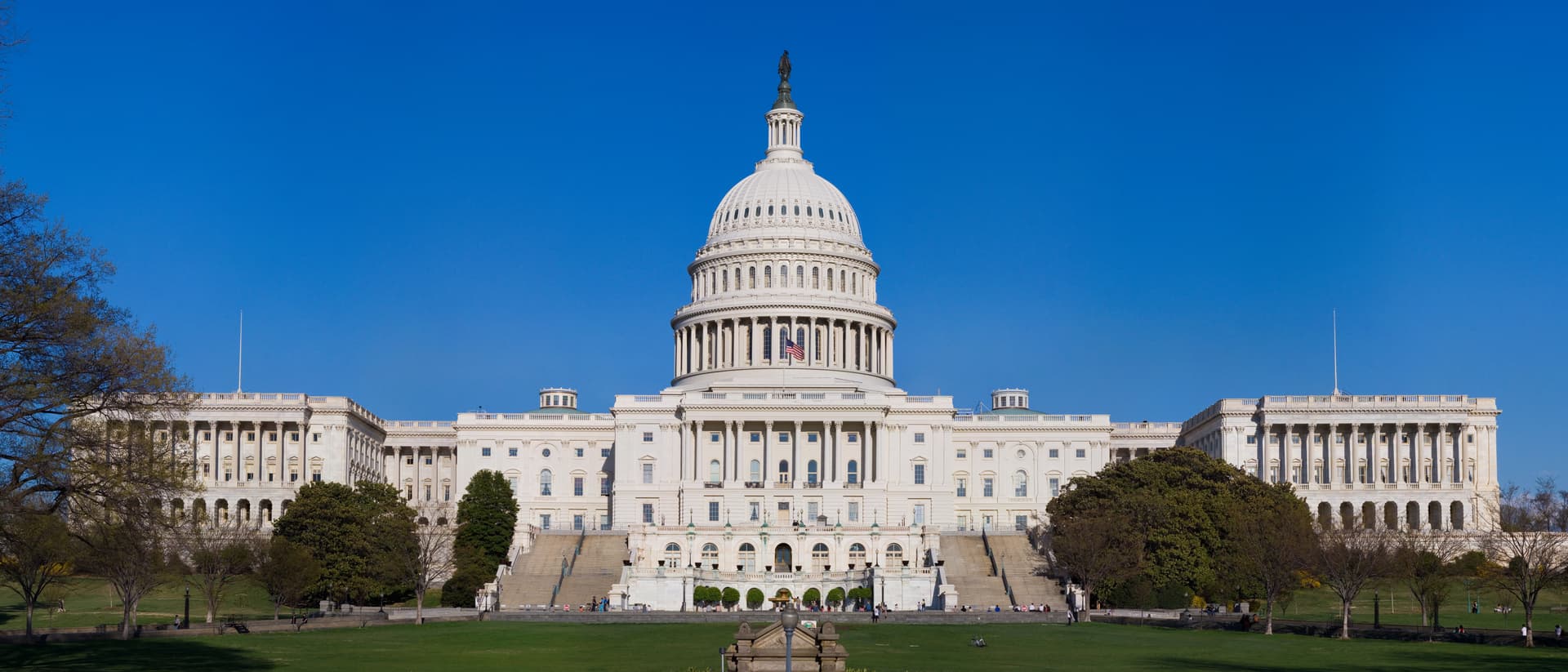
The campaign also arrives with explicit political backing. House Minority Leader Hakeem Jeffries stood with members of the Congressional Black Caucus outside the Capitol in Washington as the effort was unveiled, and the caucus linked the boycott to the broader struggle over Black representation. The timing sharpened the message further, coming one day after the caucus opposed the SCORE Act. For the NAACP, the calculation is simple: if Southern states are willing to use power to redraw political maps, Black athletes and supporters can use their own leverage to fight back.
Know something we missed? Have a correction or additional information?
Submit a Tip