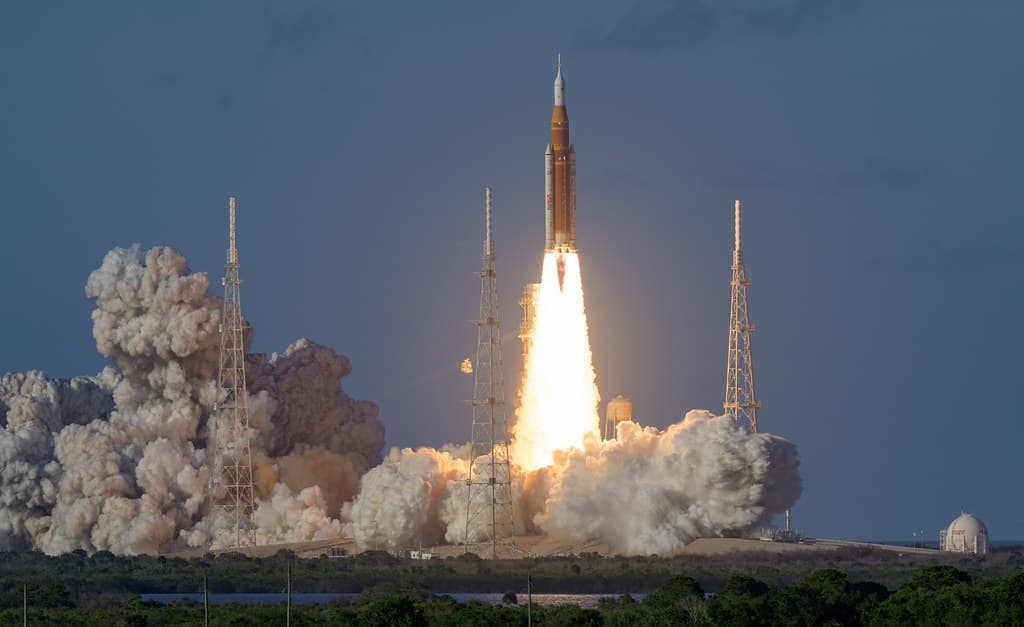
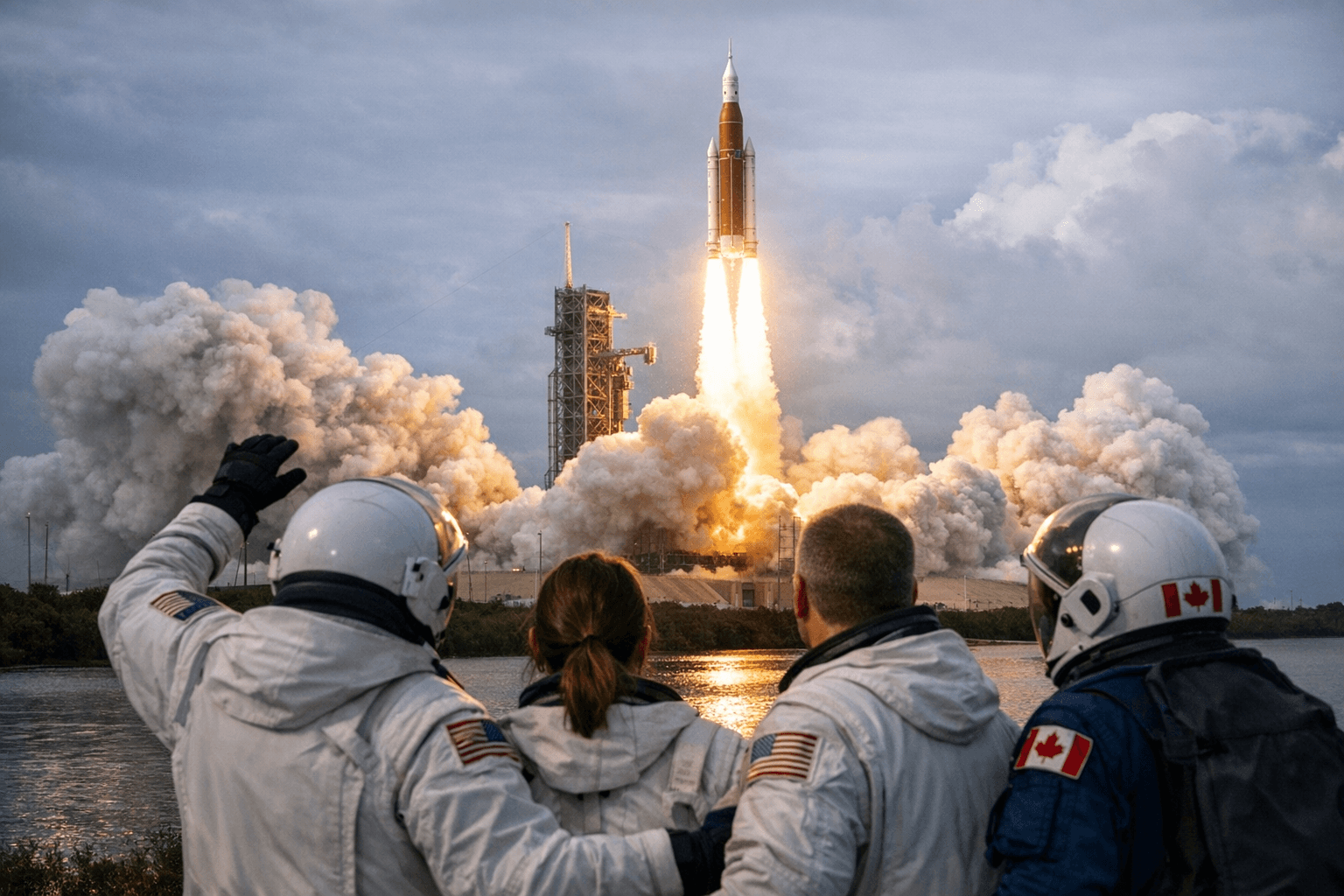
NASA Prepares for Launch of First Crewed Lunar Mission in 50 Years
After helium leaks and two scrubbed windows, Artemis II is hours from liftoff, and one flagged reading away from becoming humanity's first lunar voyage since 1972.
The countdown clock has been running since 4:44 p.m. EDT on March 30, and with less than an hour before the launch window opens, NASA is now in the most consequential stretch of its final checks. A single flagged reading, an unexpected valve behavior, or a weather shift could still scrub the first crewed lunar mission in more than 50 years.
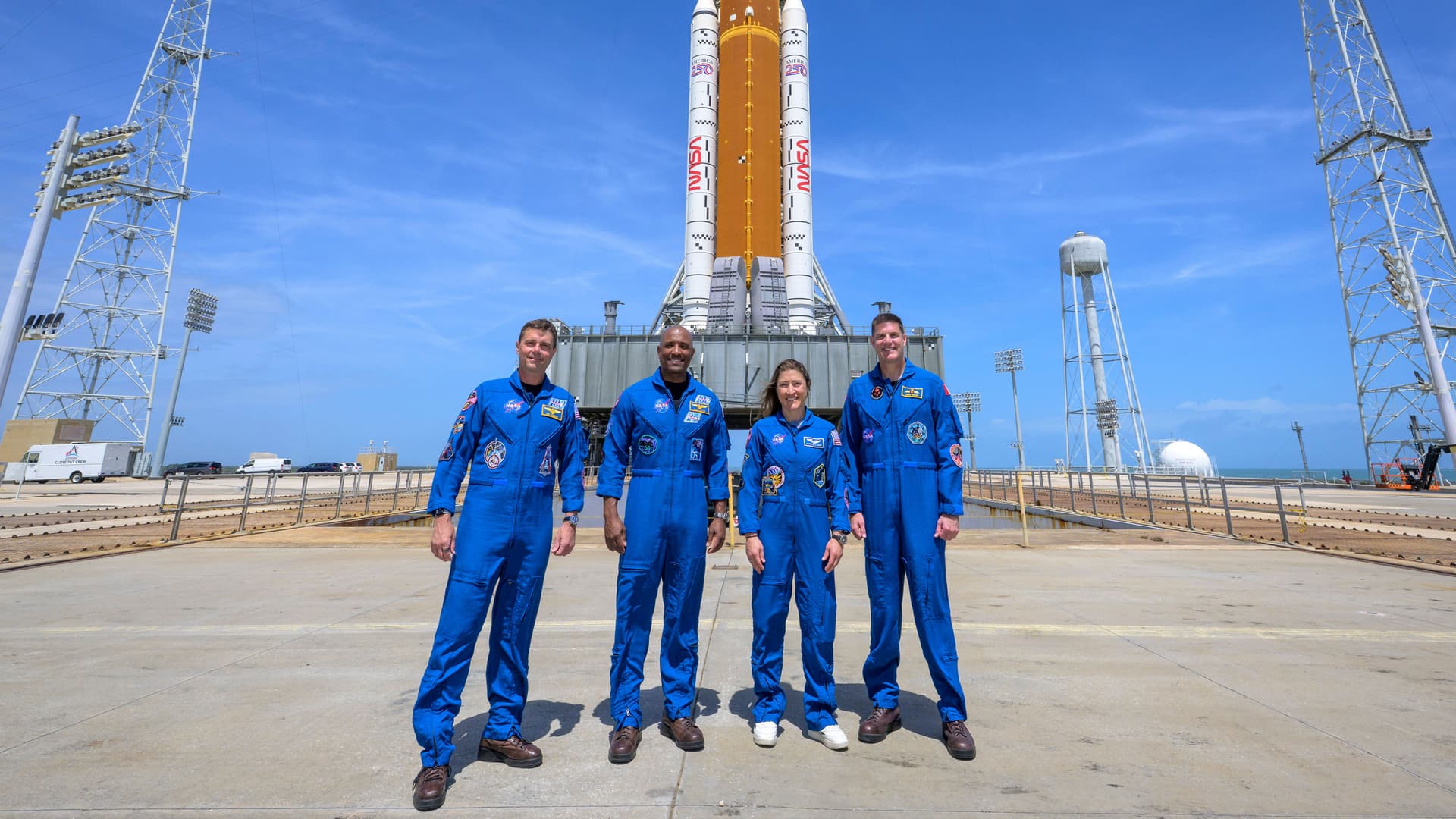
Artemis II is targeting liftoff at 6:24 p.m. EDT from Launch Complex 39B at Kennedy Space Center in Florida. Aboard are Commander Reid Wiseman, Pilot Victor Glover, Mission Specialist Christina Hammock Koch, and Canadian Space Agency Mission Specialist Jeremy Hansen. Glover will become the first person of color to travel around the Moon; Koch the first woman; Hansen the first non-American and first Canadian to fly on a lunar mission. The last time any human traveled toward the Moon was December 1972, aboard Apollo 17.
The Lockheed Martin-built Orion capsule and Boeing's Space Launch System both debuted on the uncrewed Artemis I test flight in November 2022. That mission succeeded but exposed a problem: reentry heat reaching 5,000 degrees Fahrenheit caused unexpected erosion of Orion's ablative heat shield. NASA adjusted the reentry trajectory for Artemis II to prevent the internal heating that caused the damage, though the fix has never been tested with crew aboard. Retired astronauts Mike Hopkins, Peggy Whitson, and Nick Hague, tracking the launch alongside CBS News correspondent Mark Strassmann, represent precisely the kind of accumulated systems knowledge that informs a launch team's final go/no-go calculus.
About 25 hours after liftoff, the crew will perform a trans-lunar injection burn to set course for the Moon, but only if Orion passes its first-day systems checks. The mission uses a free-return trajectory, meaning lunar gravity will slingshot the capsule back toward Earth with no required engine burn if something goes wrong outbound. On April 6, Orion is expected to pass within approximately 6,000 miles of the lunar surface, briefly losing contact with Earth as it transits the far side. The crew may travel farther from Earth than any humans in history, potentially surpassing the 248,655-mile record set by Apollo 13 during its 1970 emergency return.
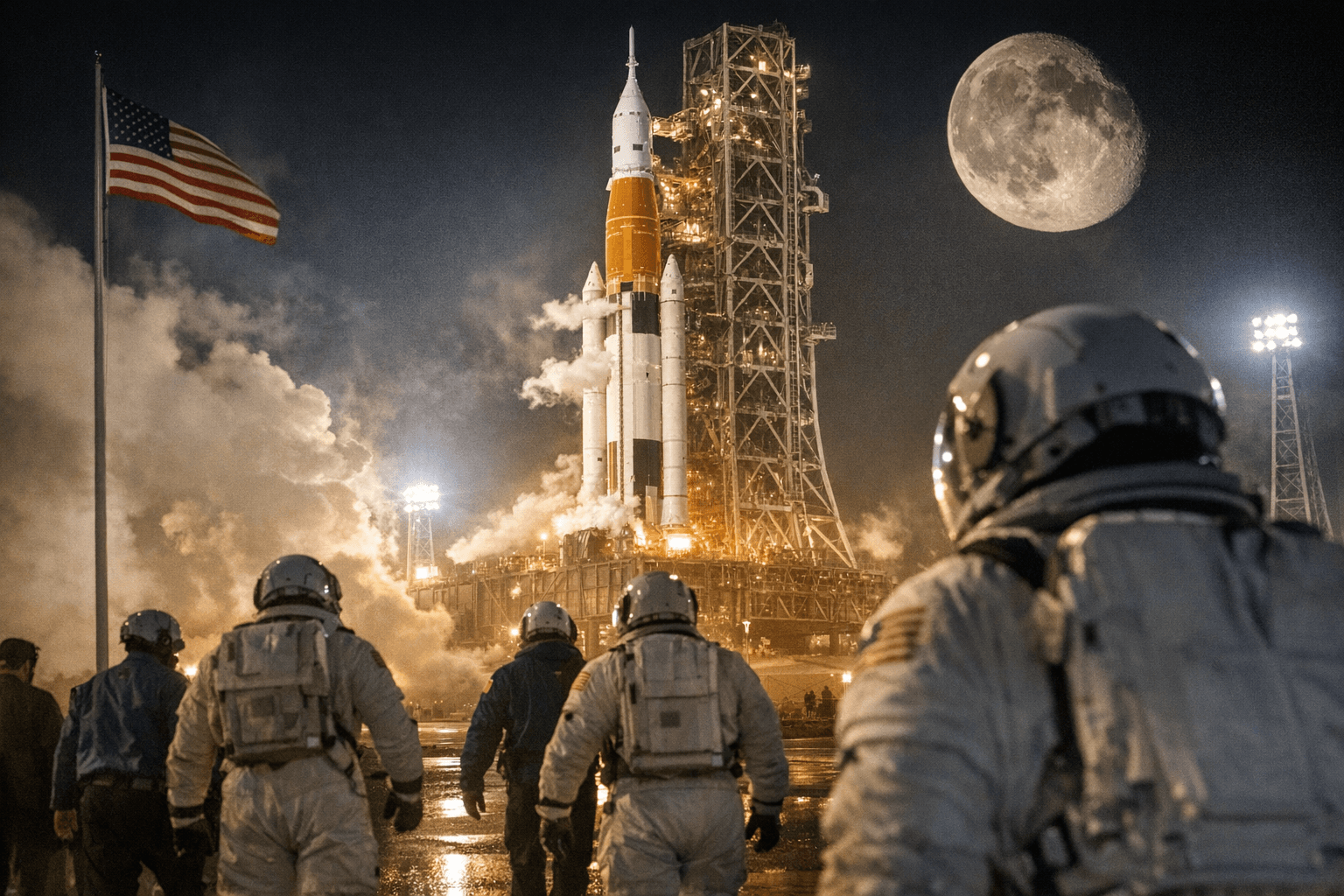
An 80% favorable weather forecast is a marked improvement over the mission's recent history. The original February 8 launch date was scrubbed after the first wet dress rehearsal on February 2 exposed problems. A second rehearsal succeeded, but engineers then identified a helium flow issue caused by a dislodged seal inside a Quick Disconnect connector between the upper stage and its ground umbilical. Helium is essential for flushing explosive cryogenic fuels and pressurizing propellant tanks; without it, launch is impossible. NASA rolled the rocket back to the Vehicle Assembly Building on February 25, completed repairs, and returned it to the pad on March 20. A similar helium problem had complicated Artemis I launch attempts in 2022.
Launch Complex 39B carries its own history. The pad hosted 53 Space Shuttle launches between 1986 and 2006, including Challenger's final flight on January 28, 1986. That legacy gives the final hour of any countdown from 39B a particular gravity: each systems check a reminder of what happens when a known risk is waved through.
Splashdown is expected April 10 in the Pacific Ocean off the coast of San Diego, with U.S. Navy assets positioned to recover the crew after roughly nine days in deep space.
Sources:
Know something we missed? Have a correction or additional information?
Submit a Tip