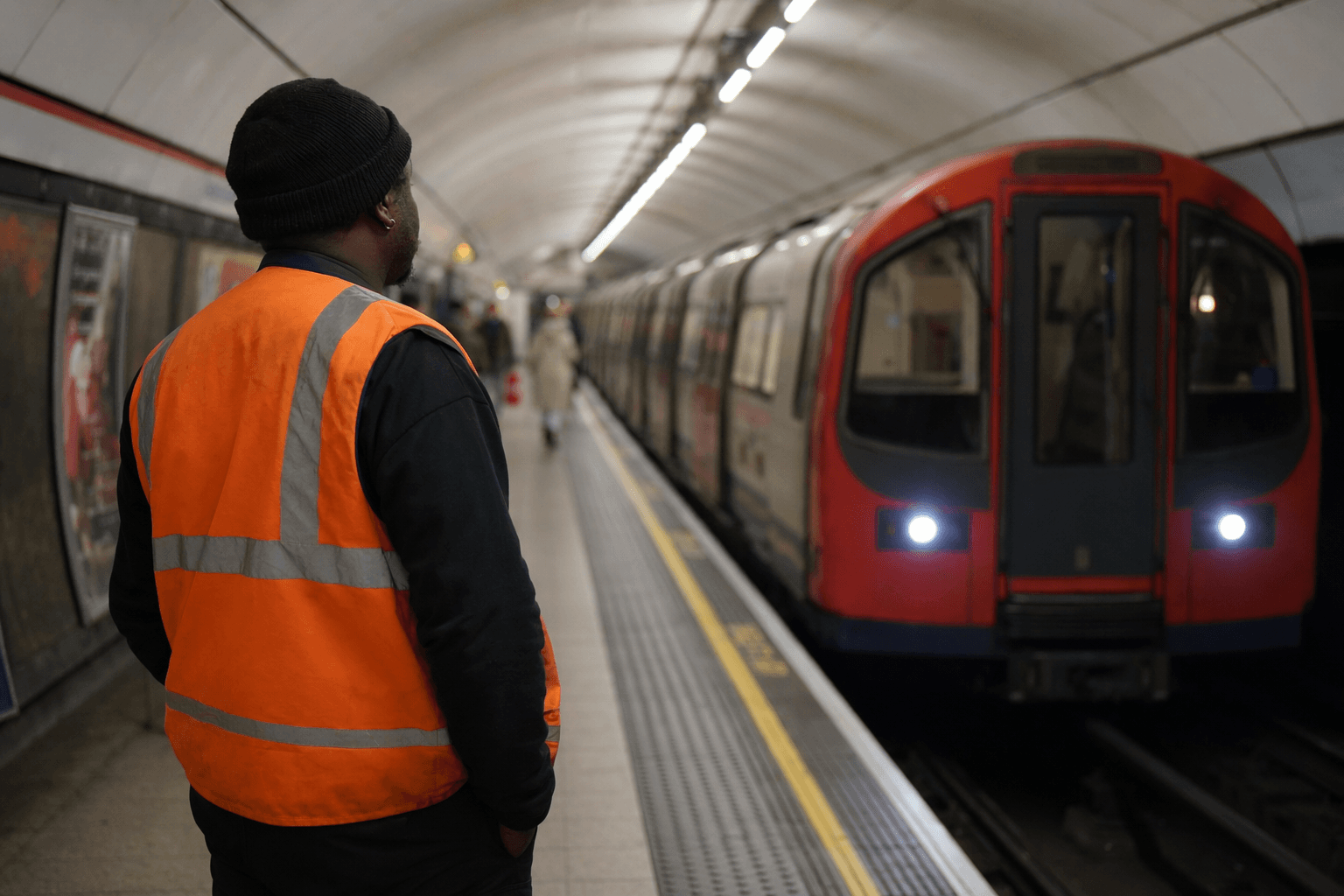
Netanyahu Vows to Expand Israel's Military Offensive in Southern Lebanon
Netanyahu vowed to expand Israel's 'security strip' in southern Lebanon, where nearly 1,200 people have been killed since March 2 and over 1 million displaced.
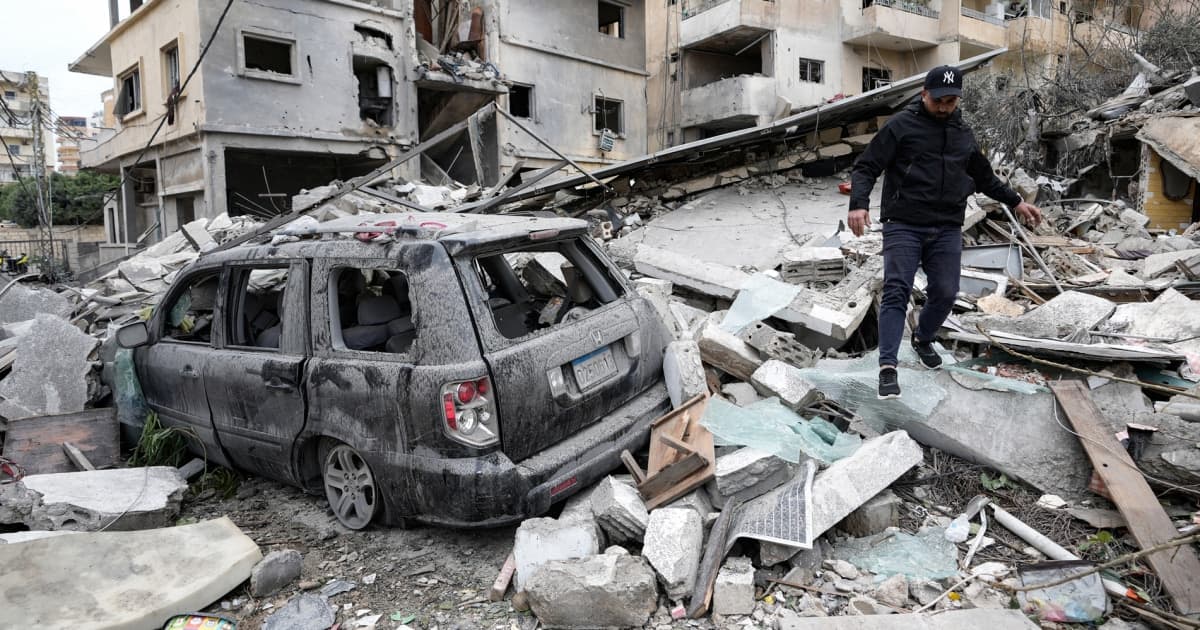
The displacement of more than one million Lebanese civilians and a death toll above 1,100 has not prompted Israel to scale back its campaign in southern Lebanon. Prime Minister Benjamin Netanyahu announced Sunday it would grow.
Speaking at a news conference in northern Israel, Netanyahu said he would expand what he called the country's "existing security strip" in Lebanon, declaring that "we are determined to fundamentally change the situation in the north." He added that the enlargement was necessary because "Hezbollah still has residual capability to fire rockets at us" and that the zone was designed to "thwart the threat of invasion and to keep the anti-tank missile fire away from our border."
Defense Minister Israel Katz went further, saying Israel would establish a formal "security zone" in southern Lebanon, take control of key river crossings, and continue to occupy Lebanese territory south of the Litani River after the war ends. Katz said Lebanese citizens would not be allowed to return to their homes in the south until the safety of northern Israel was secured. Finance Minister Bezalel Smotrich demanded that Israel go further still, calling for annexation of seized territory for Jewish settlement.
The announcement coincided with fresh troop deployments. The Israeli military confirmed in a social media post that Division 162 was joining two other army divisions already operating in southern Lebanon, saying the unit would work "with the aim of expanding" the buffer zone. Israel reportedly struck southern Lebanon more than 30 times in a single day this week, and satellite imagery has documented a growing network of Israeli military bases across the country's south.
Lebanon's Health Ministry reported that 1,094 people had been killed since March 2, including 22 in a single 24-hour period, with separate counts placing the Lebanese death toll as high as nearly 1,200 killed and more than 3,400 wounded since that date. Nineteen people have been killed in Israel. Across the wider war, which began with U.S. and Israeli strikes on Iran on February 28, more than 3,000 people have been killed in total.
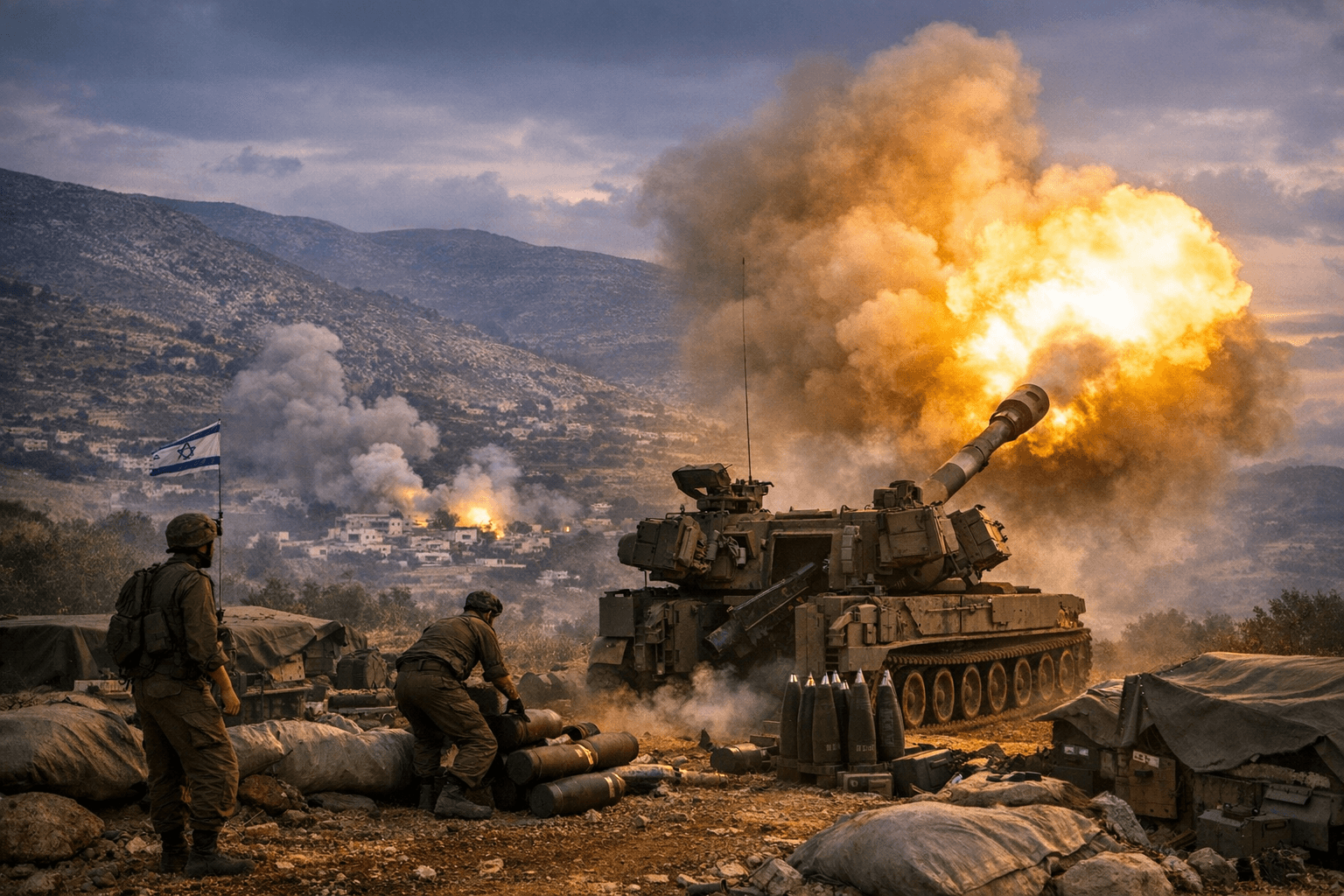
Israel's offensive has blown up bridges, destroyed homes and driven civilians from their communities in successive waves. The Israeli military ordered residents living south of the Zahrani River, 40 kilometers from the Lebanon-Israel border, as well as residents of Beirut's southern suburbs to flee, triggering what analysts have called the country's most severe displacement crisis in a generation. Human rights groups have warned that Israel risks inflicting on southern Lebanon the kind of prolonged destruction it has carried out in Gaza.
Lebanese Prime Minister Nawaf Salam warned United Nations Secretary-General António Guterres in a phone call that Israeli actions and statements "constitute a matter of utmost gravity that threatens Lebanon's sovereignty" and violate international law and the UN Charter. The scale of civilian fear on the ground was captured by 71-year-old Razzak Saghir al-Mousawi, who described relentless airstrikes and told reporters: "We don't know at what moment our homes could be targeted. I am definitely afraid."
Regional diplomats met in Pakistan to try to broker direct U.S.-Iran talks and end the monthlong conflict, as a top Iranian official warned Washington against any ground invasion, saying American troops would be set "on fire." Netanyahu offered no operational details about how or when the buffer zone expansion would be executed.
Know something we missed? Have a correction or additional information?
Submit a Tip