New evidence indicates police knew CCTV contradicted murder witness
Newly obtained documents show officers knew video undermined a key witness in Omar Benguit’s conviction, raising questions about disclosure and accountability.
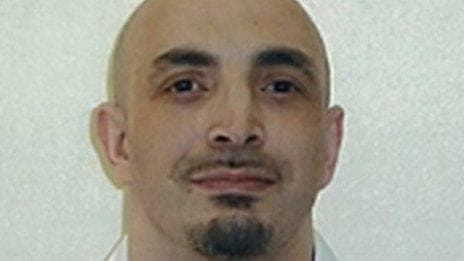
Newly obtained police documents and CCTV footage indicate officers were aware that video evidence contradicted a key witness whose testimony helped secure the conviction of Omar Benguit for the murder of a Korean student. The material, reviewed by investigators, suggests prosecutors and detectives proceeded with the case despite evidence that undercut the crown witness’s account, prompting calls for an urgent review of the conviction and fresh scrutiny of police disclosure practices.
The footage, together with internal logs, appears to place the witness away from the scene at times critical to the prosecution’s timeline. The documents show police had access to timestamps and location data that cast doubt on the witness’s identification, yet the witness’s testimony remained central at trial. Legal analysts say that nondisclosure or sidelining of exculpatory video would amount to a serious breach of disclosure obligations and could constitute prosecutorial or police misconduct if confirmed.
Benguit was convicted following testimony that placed him at the scene; the new material raises the prospect that that testimonial core was unreliable. The immediate practical consequence is likely to be renewed applications to the Criminal Cases Review Commission and potential appeals asking courts to revisit the verdict. Criminal justice campaigners and defence lawyers argue the new evidence meets the threshold for such review because it goes directly to the credibility of the prosecution’s principal witness.
The case exposes persistent fault lines in how modern digital evidence is handled. The rise of ubiquitous CCTV and other sensor data has increased both the quantity and the clarity of exculpatory material, yet it has also created new incentives to manage or interpret that material selectively. Academic studies typically place wrongful-conviction rates in the low single digits, with failures of disclosure and mistaken witness identification among the most common contributing factors. Each overturned conviction is not merely a legal correction but a fiscal and institutional cost: compensation, reinvestigations, and the reputational damage that can reduce public cooperation with policing.
Policy implications are immediate. First, mandatory, auditable chains of custody for CCTV and other digital evidence would make it harder for exculpatory material to be overlooked or suppressed. Second, live or time-stamped disclosure of key footage to defence teams should be standard in cases where witness testimony is pivotal. Third, independent oversight of serious case investigations, with statutory power to refer evidence to prosecutors or to independent review bodies, would strengthen accountability where internal cultures fail.
Longer-term trends point to an uneasy paradox: digital surveillance can both convict the guilty more reliably and expose human error or malfeasance more clearly. That double edge makes robust institutional safeguards more urgent. For now, the newly surfaced footage and documents could reshape a single case and catalyse broader reforms, testing whether the criminal justice system will correct potential miscarriages of justice quickly and transparently or remain mired in defensive institutions protecting past outcomes.
This article was produced by Prism’s automated news system from verified source data, official records, and press releases, then run through automated quality and moderation checks before publishing. The system is built and supervised by the people who set the standards it runs under. Read our full AI policy.
Did this article answer your question?


