Nigerian troops rescue seven children, two women after orphanage kidnapping
Troops freed seven children and two women from a forest after an April 26 orphanage raid in Lokoja. One child may still be missing as Nigeria’s kidnapping crisis deepens.
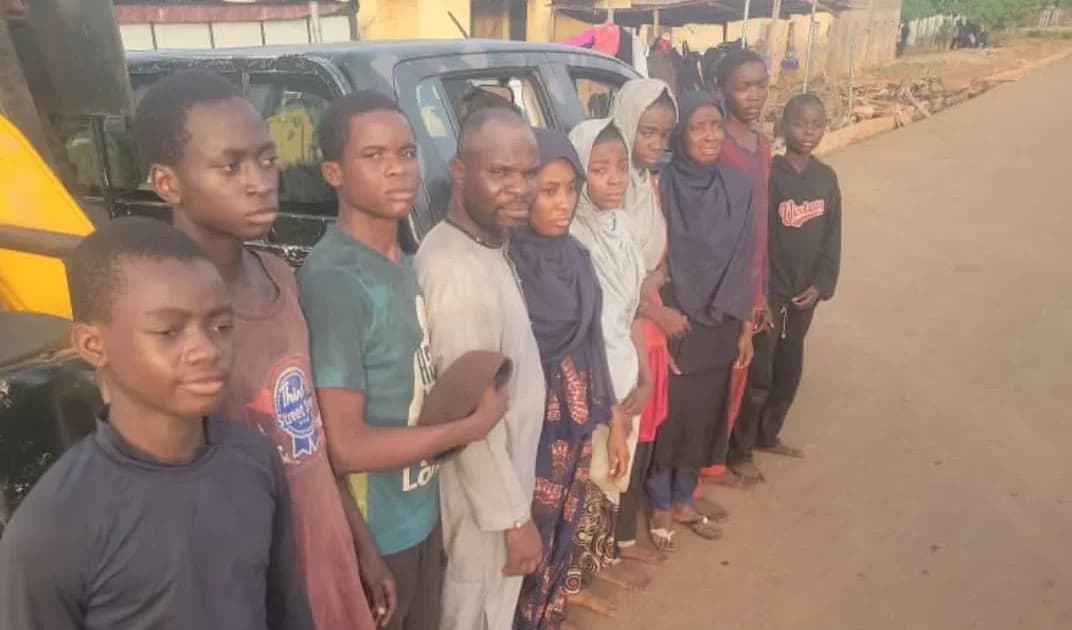
Nigerian troops rescued seven children and two women from a forest in Kogi state, offering a small reprieve after gunmen stormed an Islamic orphanage in Lokoja and dragged dozens of children into one of Nigeria’s most persistent security crises.
The attack hit Daarul Kitab, also identified locally as Dahallukitab Group of School, in Zariagi along the Kabba Junction axis of Lokoja late on April 26. Local officials said 23 pupils were taken in the assault, along with the wife of the proprietor. Fifteen minors were rescued in the immediate aftermath, and the army later said it recovered seven children and two women from a forest area, a group that included five boys, two girls and two adult women believed to be the proprietor’s wives. One pupil could still be unaccounted for.
The Nigerian Army announced the latest rescue and said the operation had pulled the victims back from kidnappers after days of uncertainty. No group has claimed responsibility for the abduction, which leaves open the question of whether the attackers were armed bandits seeking ransom, criminal network operators, or another armed group exploiting a familiar target.
That uncertainty sits at the center of Nigeria’s kidnapping economy. Schools, orphanages and other clustered institutions have long been attractive to armed groups because attacks draw attention and can be leveraged for large ransom demands. In this case, the fact that the facility was operating illegally adds another layer of failure. Kogi state officials said the school was not registered with the state and had not been approved by the relevant authorities, warning that orphanages and schools built in vulnerable areas without registration or notification create serious security risks.
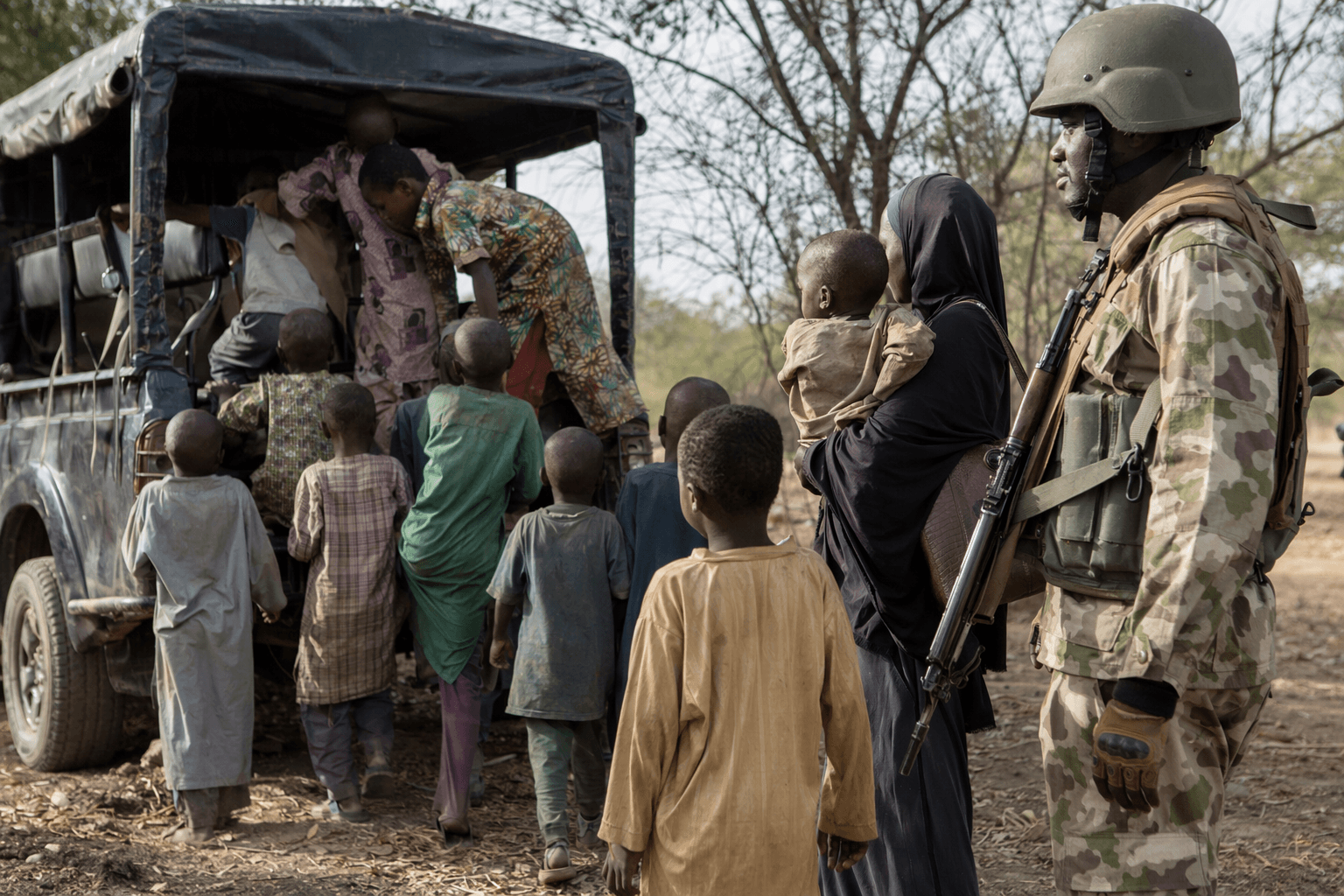
The rescue also exposes the limits of the state’s protection network. Kogi authorities have framed the operation as a response to a dangerous, unregulated site, while the broader national picture remains grim. UNICEF said in April 2024 that 90 girls were still in captivity 10 years after the Chibok abductions, and its monitoring found only 37% of schools across 10 states had early warning systems to detect threats such as school attacks. Human Rights Watch said more than 1,600 children had been abducted or kidnapped across northern Nigeria since 2014.
For families in north-central Nigeria, the relief of any rescue is tempered by the same hard question: whether this was an isolated success or evidence that security forces are finally getting ahead of a kidnapping crisis that still leaves children, schools and religious institutions dangerously exposed.
This article was produced by Prism’s automated news system from verified source data, official records, and press releases, then run through automated quality and moderation checks before publishing. The system is built and supervised by the people who set the standards it runs under. Read our full AI policy.
Did this article answer your question?


