Sweden halts Denmark power cable upgrade amid EU fee dispute
Sweden froze a major Denmark cable upgrade, escalating a fight over congestion fees and who controls Europe’s cross-border grid.
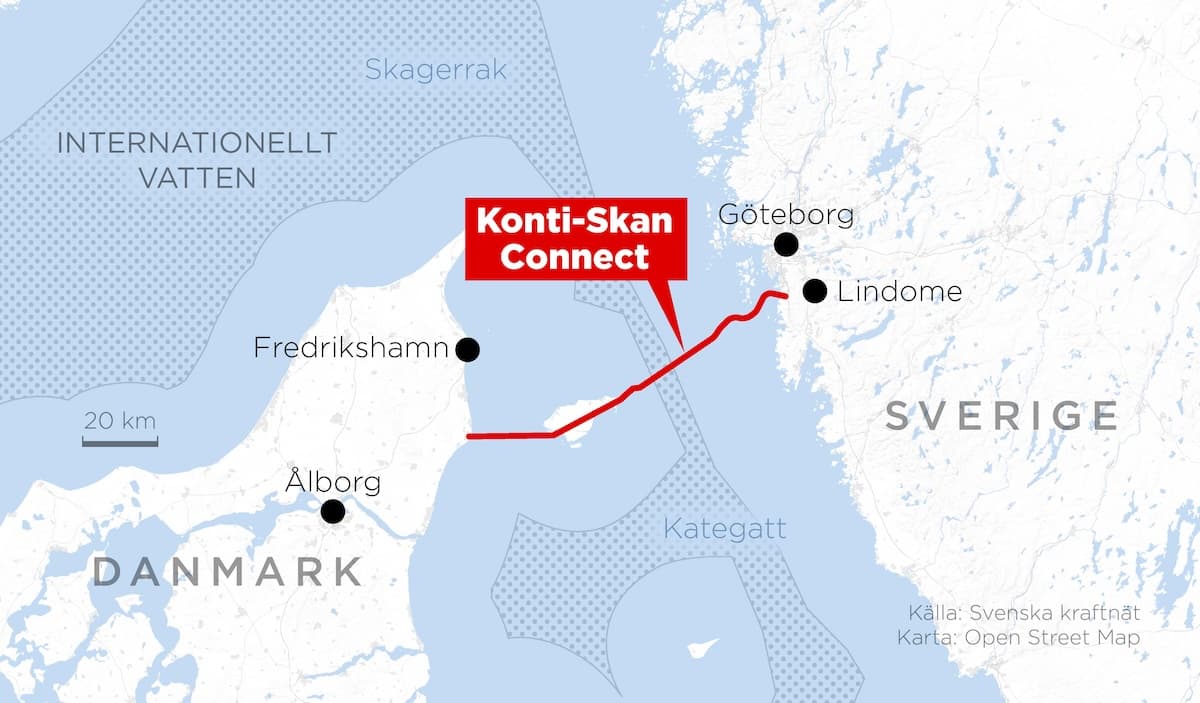
Sweden has stopped a major power-cable upgrade to Denmark, turning a dispute over congestion fees into a test of whether Europe can keep building the cross-border grid needed for its climate plans. The pause in the Konti-Skan project puts national control, EU energy rules and the financing of new transmission lines on a collision course.
Energy and Climate Minister Ebba Busch told Svenska Kraftnät to halt work on Konti-Skan Connect, the planned renewal of the Konti-Skan 1 and 2 links between Lindome, south of Gothenburg, and Vester Hassing on Jutland. The existing HVDC cables are expected to reach the end of their technical lifespan in the mid-2030s, making replacement necessary if Sweden and Denmark want to preserve reliable power flows across the Kattegat.
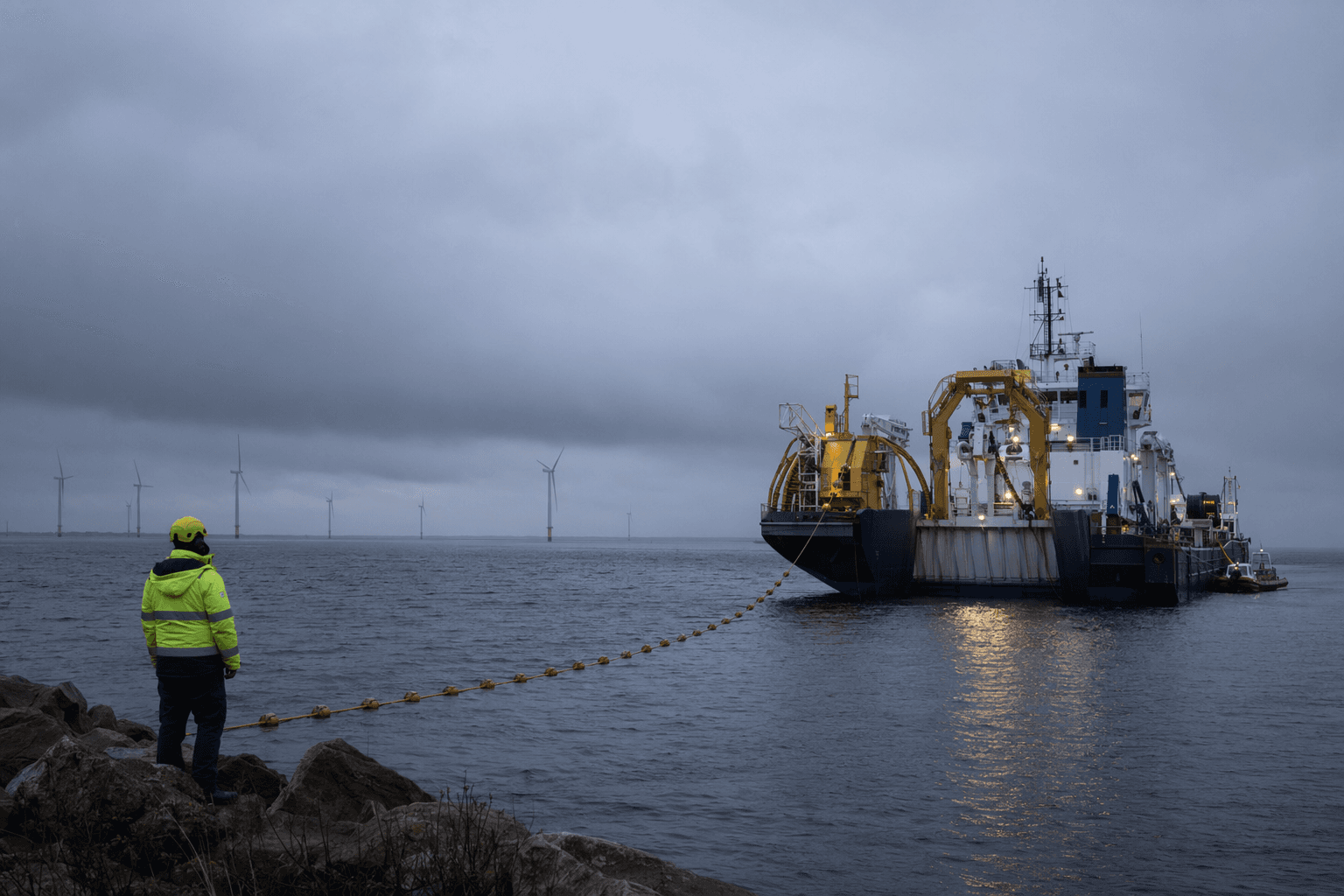
The project would raise transmission capacity to 1,000 MW from 715 MW, and the investment cost was to be split evenly between Svenska Kraftnät and Denmark’s Energinet. Svenska Kraftnät has said the upgrade is especially important for southwestern Sweden and the wider SE3 and SE4 power balance, where tighter links to Denmark help manage surplus generation and price differences.
At the center of the dispute is a growing pool of congestion revenues, the fees collected when transmission bottlenecks drive power price gaps between regions. Reports tied to the row have put the balance at roughly 85 billion Swedish kronor already, with another 130 billion kronor potentially collected over the next decade. Sweden wants more of that money used to expand domestic electricity production, while the European Commission’s current approach would direct a larger share toward grid-related spending.
Busch has argued that the arrangement cannot be a one-sided benefit for the European Union and that Sweden must defend its own interests. In a speech on 10 April 2026, she said, “This is the worst energy crisis in modern history.” The warning reflects how the government is casting the fee dispute as part of a broader fight over energy security, industrial competitiveness and who pays for the next stage of the transition.
The Commission has already designated Konti-Skan Connect as a Project of Common Interest, a label that normally speeds permitting and can open the door to EU energy-infrastructure funding. Svenska Kraftnät says that status should help deliver faster, more coordinated approvals for a line that is now planned to start construction in 2030 and enter service in 2036.
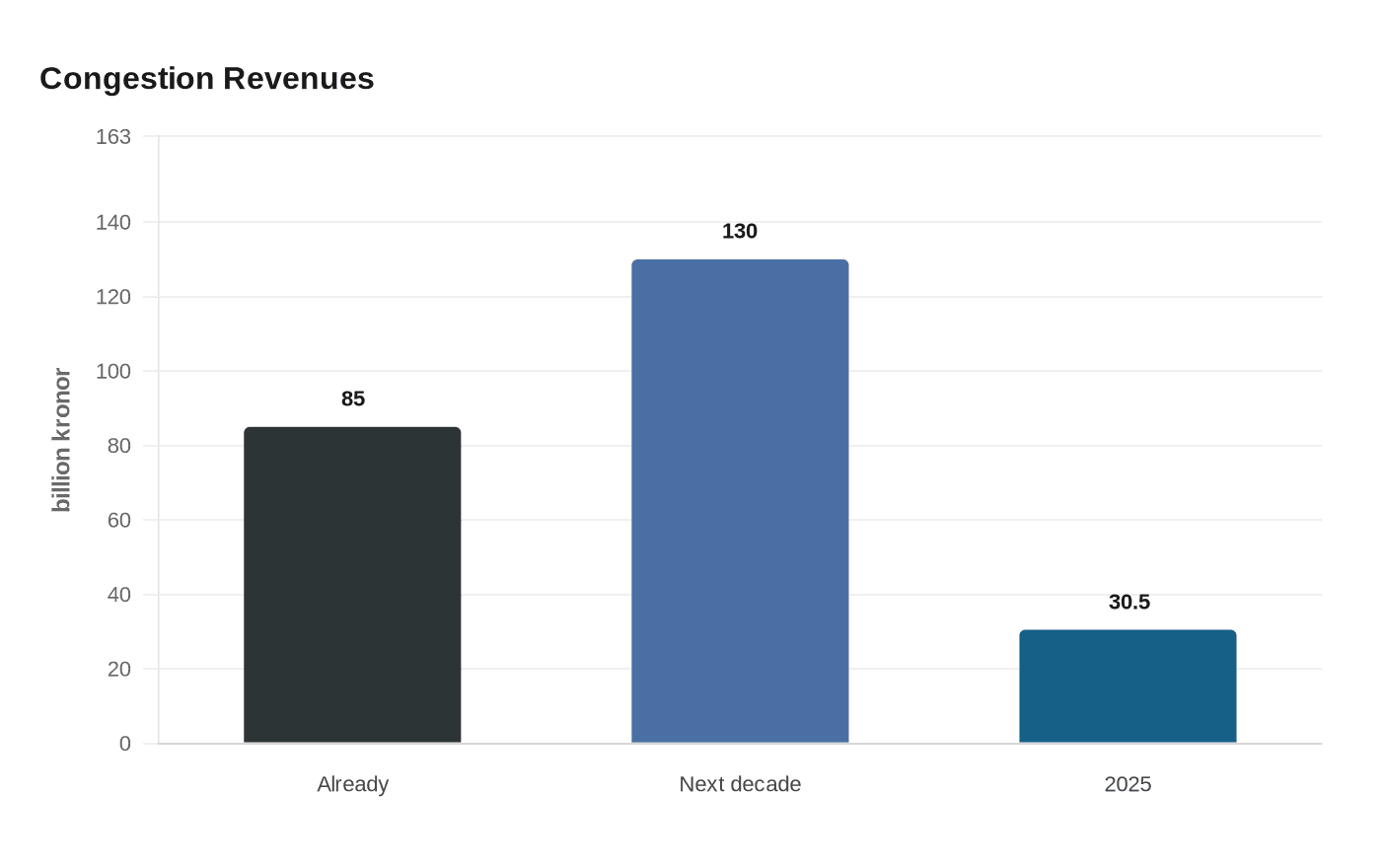
Sweden collected 30.5 billion kronor in congestion revenues in 2025, underscoring why the issue has become politically charged in Brussels and Stockholm alike. What was once a technical debate over grid accounting has become a wider argument over whether congestion revenues should be treated as a national resource for domestic supply and production, or as a common European tool for building the interconnected system Europe says it needs.
This article was produced by Prism’s automated news system from verified source data, official records, and press releases, then run through automated quality and moderation checks before publishing. The system is built and supervised by the people who set the standards it runs under. Read our full AI policy.
Did this article answer your question?