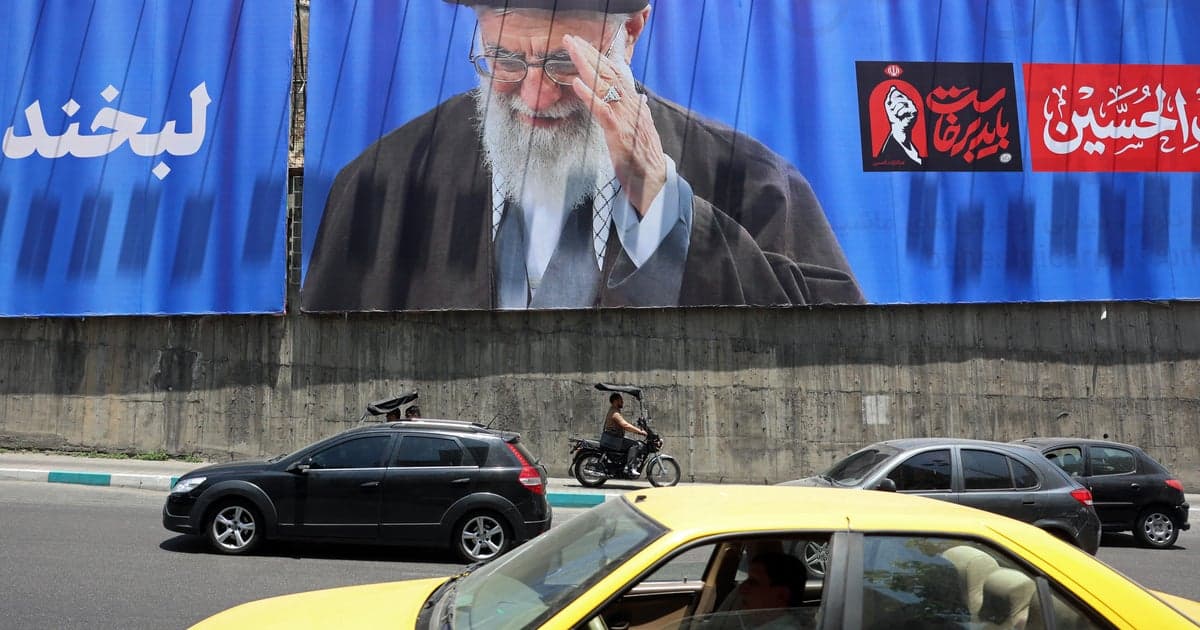
U.S. awaits Iran response to peace proposal as war drags on
Washington waited for Tehran’s answer as Iran weighed a U.S. peace plan that still left nuclear limits and the Strait of Hormuz unresolved.
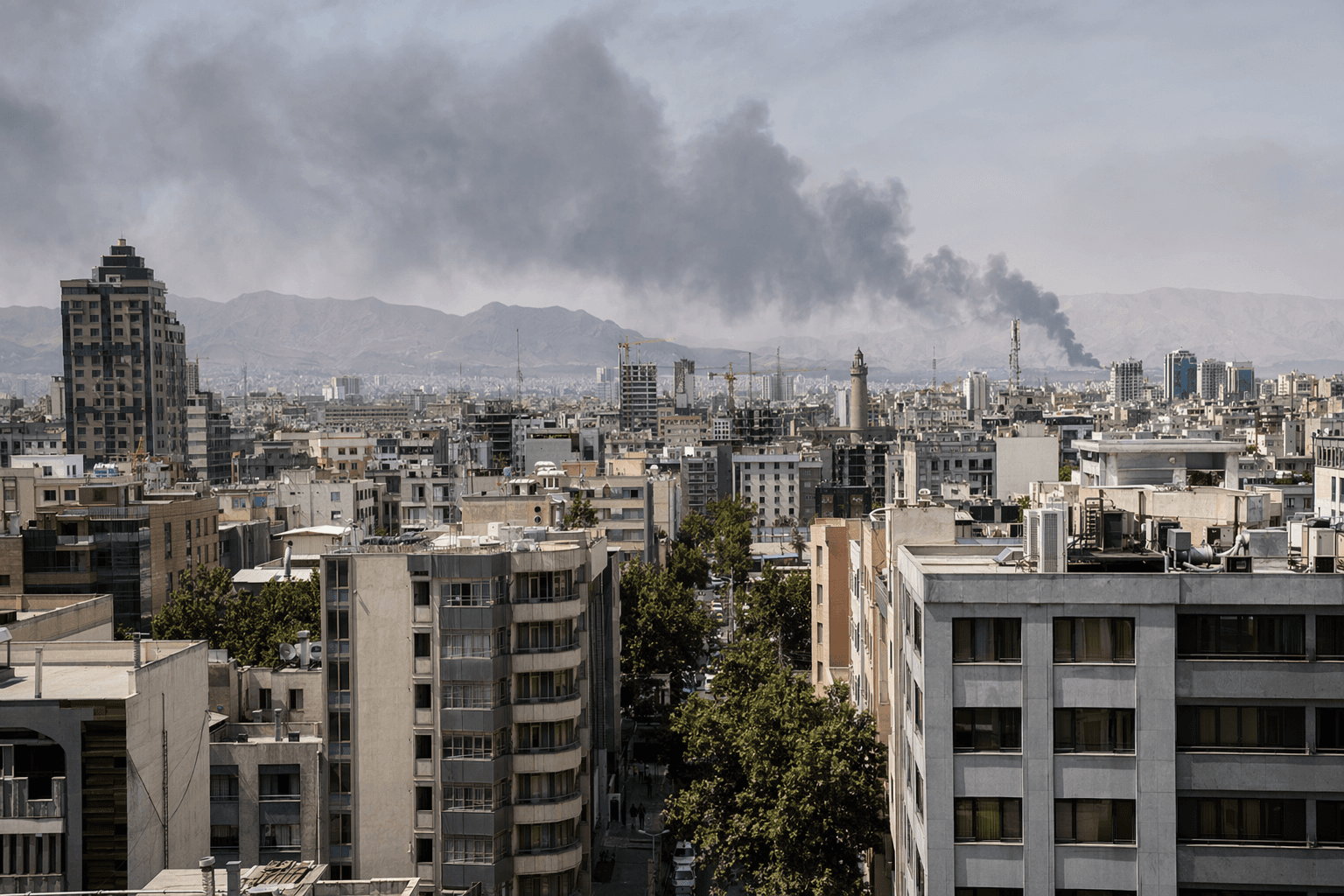
The real question in Washington and Tehran was not whether a proposal existed, but who had the leverage to shape the next phase of the war. Iran was reviewing the latest U.S. peace offer as U.S. officials expected a response on Friday, May 8, even as the two sides remained far apart on the terms that would define any pause in fighting.
Secretary of State Marco Rubio said the administration was expecting Iran’s answer on Friday, while President Donald Trump said there was a “very good chance” the United States and Iran were nearing a deal. That optimism rested on a conflict that had already dragged on for nearly 10 weeks, with the U.S. and Israel suspending their bombing campaign about four weeks before May 6. The ceasefire, however, had not produced a broader diplomatic breakthrough.
The latest U.S. document was described as a multi-point proposal with a two-month ceasefire framework. Iran had already responded with its own 14-point counterproposal, which reportedly sought to end the war within 30 days. That difference in timing showed how each side was trying to write the tempo of de-escalation to its advantage, with Washington seeking a longer pause and Tehran pushing for a faster end to the fighting.
Two issues remained at the center of the standoff: Iran’s nuclear program and the reopening of the Strait of Hormuz. Iran had signaled that any agreement would need guarantees against future military action and relief from sanctions, conditions that underscored how much trust had been lost after the conflict began on February 28, 2026, following U.S. and Israeli attacks on Iran. The war later spilled into the Strait of Hormuz, where Reuters reported the U.S. military struck Iranian targets after saying Iran fired on U.S. warships.
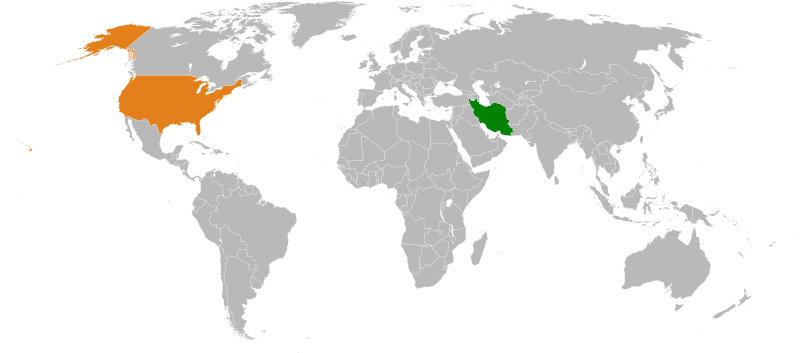
The fighting had already disrupted energy supplies and roiled global markets, raising the economic cost of a conflict that threatened the Middle East and the Gulf far beyond the battlefield. Attempts to arrange further direct meetings between U.S. and Iranian officials had failed as of early May, leaving both governments to test each other through public statements and back-channel pressure. If Iran accepts the U.S. offer, it would signal a workable path to de-escalation. If it rejects it, the current pause could prove to be only a brief lull before the next, more dangerous phase.
This article was produced by Prism’s automated news system from verified source data, official records, and press releases, then run through automated quality and moderation checks before publishing. The system is built and supervised by the people who set the standards it runs under. Read our full AI policy.
Did this article answer your question?