Nothing warns smartphone prices could rise in 2026 amid memory crunch
Nothing’s memory bill has doubled for the Phone 4a, and Carl Pei says RAM now costs more than the processor and display combined, raising 2026 phone prices.
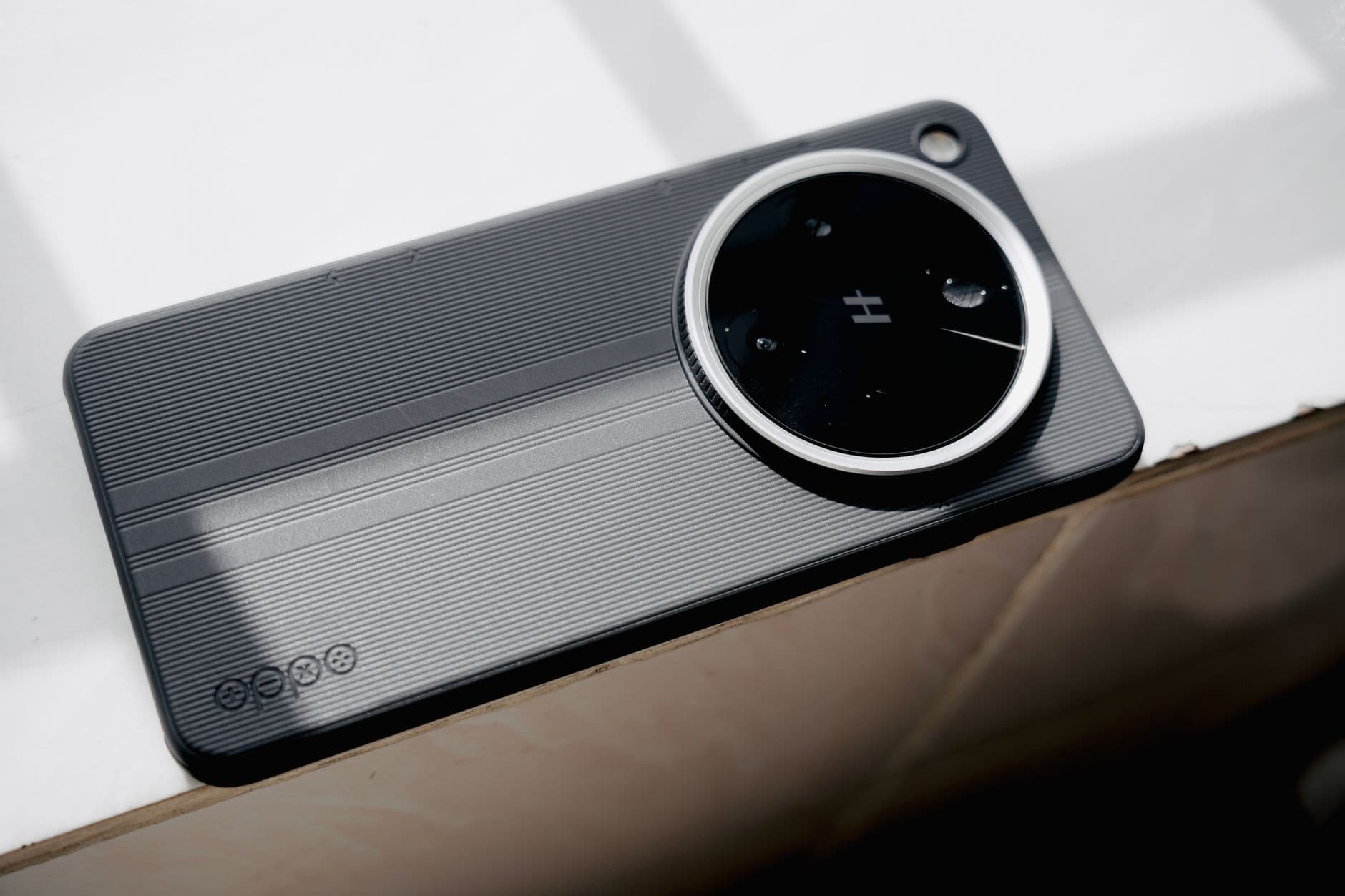
Nothing’s warning lands on a simple number: memory has become the most expensive part of a smartphone, ahead of the processor and display, and Carl Pei says the company’s Phone 4a memory bill doubled between design work and later production planning. That kind of jump, Pei said, would force Nothing to raise prices across its smartphone line in 2026 unless it cut specifications.
The pressure starts far upstream in the chip supply chain. Memory makers have been shifting more production toward high-bandwidth memory and AI servers, tightening supply for the DRAM and NAND used in phones. Xiaomi warned in November 2025 that consumers were likely to face higher smartphone prices in 2026 as memory-chip costs surged. Samsung Electronics followed in January 2026 with a similar message, saying AI-driven demand was worsening the shortage and creating headwinds for smartphones and displays, while supply expansion would remain limited through 2026 and 2027.
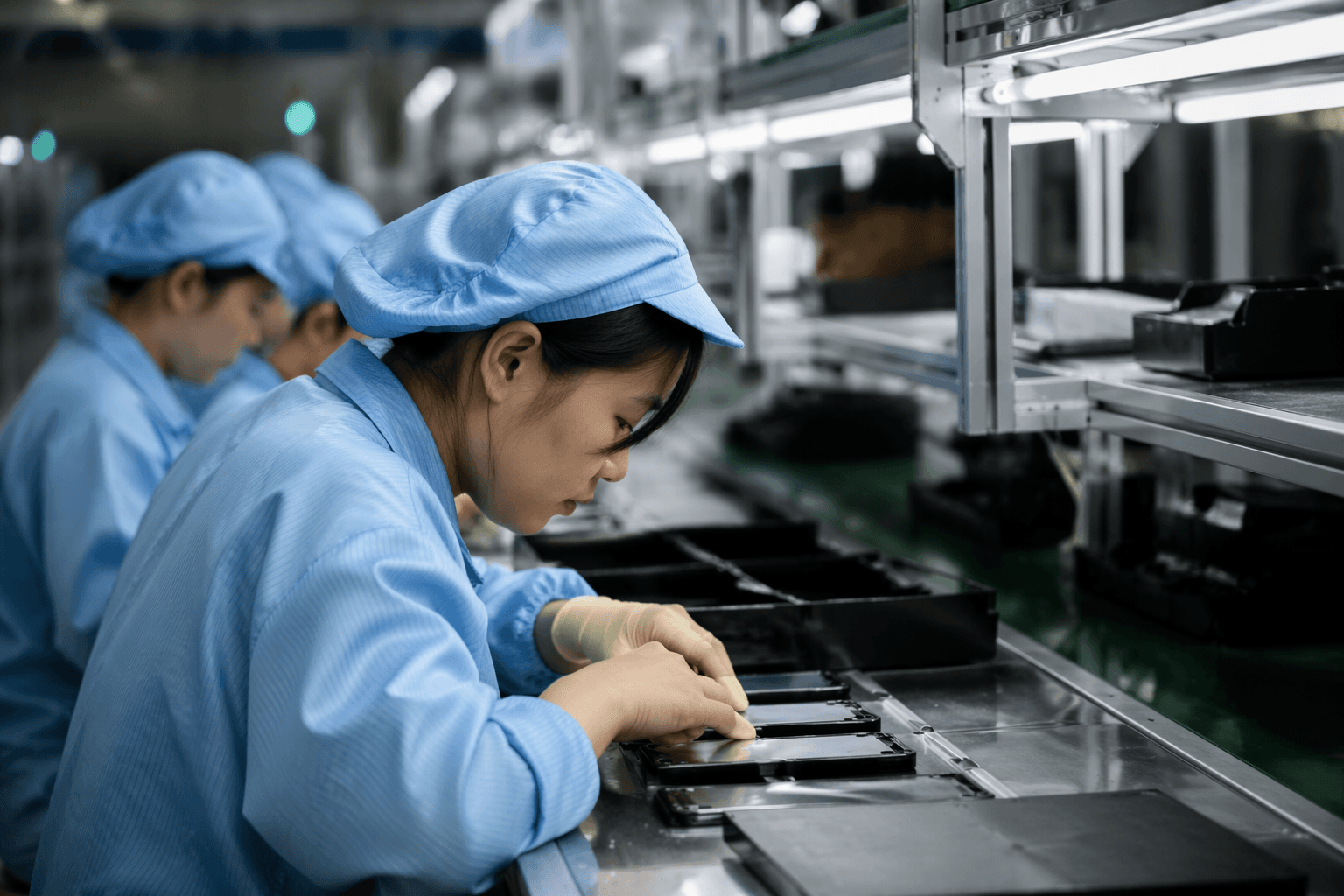
That backdrop matters because Nothing is leaning harder into its midrange business. Pei confirmed in January 2026 that the company would not launch a flagship Phone 4 in 2026 and would instead focus on the Phone 4a series and audio products. That leaves Nothing exposed in the very segment where customers are most sensitive to a few dollars of added cost, and where a higher memory bill can quickly force a trade-off between price and performance.
The broader industry is already testing those limits. Some reporting quoted Pei as saying prices could rise by 30% or more if brands want to preserve current performance levels. Other coverage said new phones had already launched at prices up to $100 higher than their predecessors. In India, phones above 30,000 had seen increases of 7,000 or more. The pattern points to a market where premium features, larger memory tiers and AI-heavy hardware are no longer free upgrades.
For shoppers, the decision now comes down to timing and need. If an existing phone still handles daily use, holding longer makes sense because the next upgrade may bring a higher bill without a dramatic improvement in basic performance. If a replacement is unavoidable, buying sooner rather than later could avoid the next round of repricing. And if the goal is simply to stretch a budget, trading down from top-tier memory and feature sets may matter more than waiting for a short-lived sale. With memory supply still tight, smartphone pricing is looking less like a one-off increase and more like a reset.
This article was produced by Prism’s automated news system from verified source data, official records, and press releases, then run through automated quality and moderation checks before publishing. The system is built and supervised by the people who set the standards it runs under. Read our full AI policy.
Know something we missed? Have a correction or additional information?
Submit a Tip