Nvidia unveils server that can accelerate large models roughly tenfold
Nvidia released performance data showing a new high density AI server that it says can speed some recent large models by about ten times, a leap that could reshape who can train and run cutting edge AI. The announcement highlights Nvidia's continued hardware edge, raises questions about concentration of computing power, and sets up a competitive race as rivals promise multi chip designs next year.
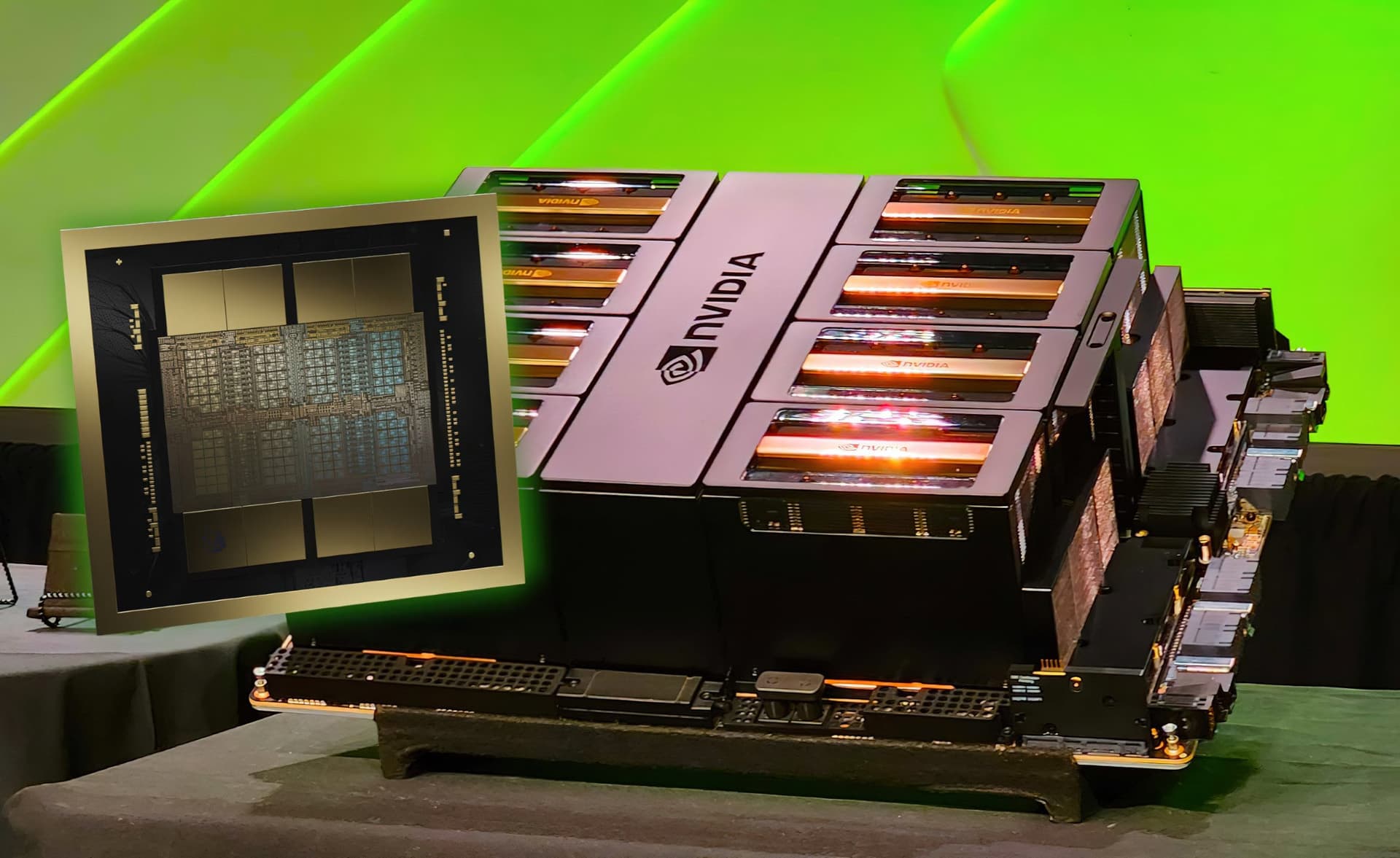
Nvidia is releasing data today that it says demonstrates a major jump in AI compute density and model throughput. The company described a new high density server that packs 72 of its top chips together with NVLink and other fast interconnects, and reported roughly 10 times performance improvements on some newer models, including China’s Moonshot Kimi K2 Thinking model and a set of other recent large architectures, compared with prior generation Nvidia servers.
According to Nvidia, the performance gains stem less from changes to individual processors and more from combining a very large number of them with high bandwidth links that reduce communication bottlenecks. In modern large models, shards of computation must exchange large volumes of data continuously, and Nvidia says the new server’s topology and NVLink fabric shrink those delays, enabling much higher sustained utilization and throughput.
The announcement reinforces Nvidia’s status as the dominant supplier of training and inference infrastructure for large scale AI. Market observers say the new numbers could widen the gap between organizations that can field the highest density systems and those that cannot, with implications for cloud providers, research labs, startups and national programs. Firms with access to such concentrated compute will be able to iterate models faster, lower per token inference costs, and push to larger scale experiments sooner than competitors with limited access.
Rivals are preparing responses. Advanced Micro Devices has signaled multi chip server designs aimed at competing with Nvidia are due next year. Whether those designs can match the combination of chip count, interconnect bandwidth and software ecosystem remains an open question. Software and algorithms to exploit very large assemblies of processors are complex, and effective scale often depends as much on interconnects and runtime systems as on raw silicon.

The immediate commercial effects could include a fresh round of procurement by hyperscalers and cloud vendors, and renewed pressure on smaller providers to secure access to high density racks. That could consolidate compute capacity with a handful of firms and raise barriers for academic teams and startups that lack capital for the fastest systems. It also raises energy and environmental questions, as denser boxes increase power draw and cooling needs even as they reduce time to solution.
Nvidia’s published figures reflect internal testing on targeted workloads. Independent benchmarks and broader workload comparisons will be needed to gauge how general the speedups are across industry workloads. Observers also note that the arrival of faster hardware does not eliminate the need for model efficiency and novel software techniques that can deliver similar benefits at lower resource cost.
The new server announcement intensifies a fast moving hardware race that is reshaping how AI progress is made. For firms and governments that prize leading edge models, access to the most concentrated compute is becoming a defining strategic asset, and the technology choices made now will influence who leads the next phase of AI development.
This article was produced by Prism’s automated news system from verified source data, official records, and press releases, then run through automated quality and moderation checks before publishing. The system is built and supervised by the people who set the standards it runs under. Read our full AI policy.
Did this article answer your question?