Oil Prices Surge as U.S.-Iran Standoff Raises Supply Fears
Gasoline hit $4.23 a gallon as Brent neared $120, raising the odds of more pain for drivers, shippers and airlines if the Strait of Hormuz stays shut.
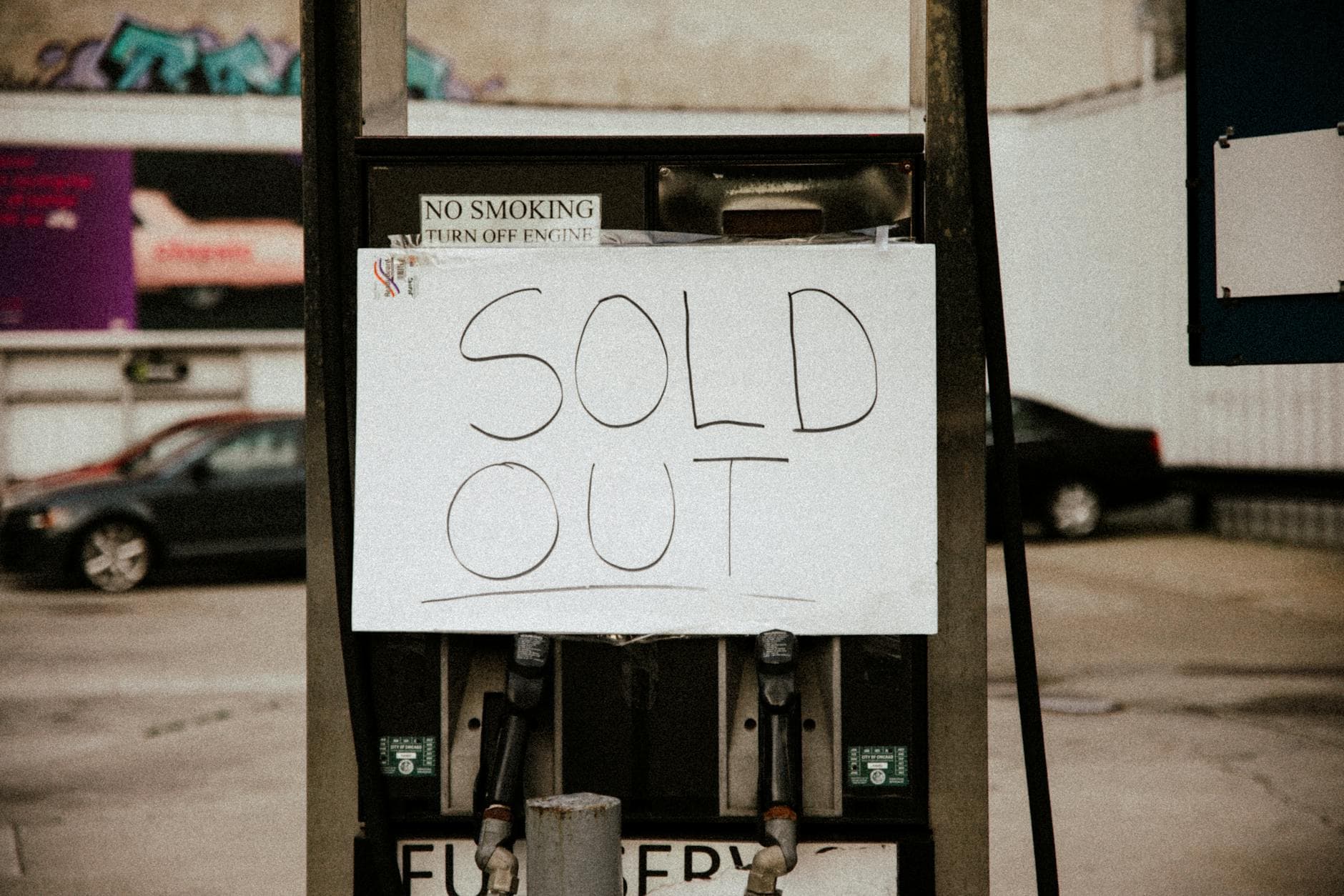
American drivers were already feeling the shock at the pump, and the risk now was that oil’s latest surge would ripple far beyond gasoline. The national average price of fuel climbed to $4.23 a gallon by April 29 and 30, the highest since summer 2022, as Brent crude jumped as much as 7 percent and briefly pushed toward $120 a barrel.
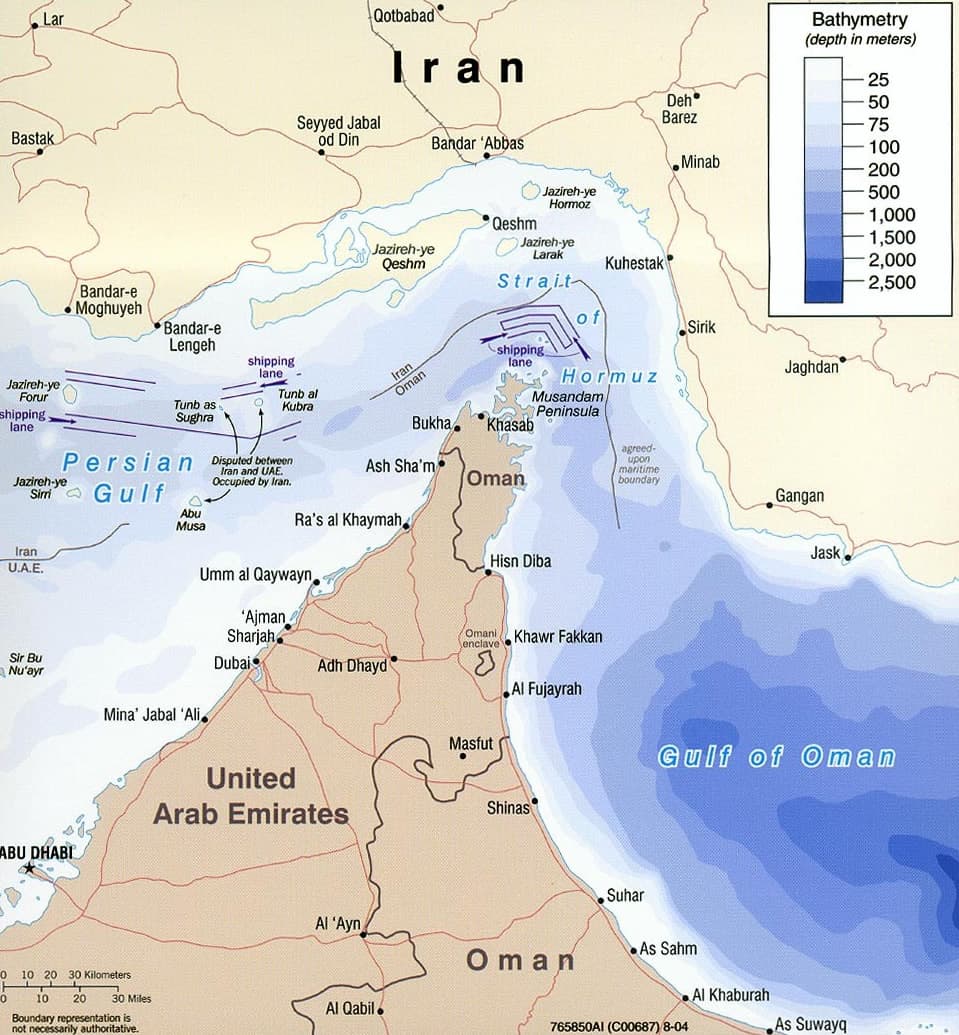
The jump reflected a deepening U.S.-Iran standoff that had choked off tanker traffic through the Strait of Hormuz, the narrow waterway that carries a huge share of Gulf oil exports. The strait remained effectively closed in April, and the U.S. naval blockade of Iran took effect on April 13 after peace talks failed. Iran has said it would reopen the passage if Washington lifts the blockade and ends the war, but the talks remained stalled.
Oil markets had already been under severe strain before the latest spike. Brent crude had risen from around $72 a barrel on February 27 to nearly $120 at its peak, a gain of more than 55 percent, and it surged 51 percent in March alone, one of the largest monthly increases on record. Bloomberg said Brent reached its highest level since June 2022, while Kpler warned prices could climb to $125 if the blockade continued.
The strain was not confined to crude. U.S. government data showed a bigger-than-expected draw in crude and fuel inventories, adding another layer of pressure to a market already rattled by lost supply. One analyst said gasoline could soon average $4.50 a gallon if oil stayed elevated, a threshold that would make the cost shock harder to ignore for households, freight operators and airlines alike.
Wall Street treated the surge as more than an energy story. Stock futures weakened as investors weighed the effect of higher fuel costs on corporate margins and inflation, while bonds moved under pressure from renewed price fears. The Federal Reserve left interest rates unchanged after a divided policy meeting, a reminder that the oil spike was feeding directly into the policy debate over whether inflation could cool enough to justify easing.
By Wednesday, the market message was clear: as long as the Strait of Hormuz stays effectively closed and Washington and Tehran remain at an impasse, the pressure will keep moving from crude into gasoline, shipping, aviation and the broader inflation outlook.
This article was produced by Prism’s automated news system from verified source data, official records, and press releases, then run through automated quality and moderation checks before publishing. The system is built and supervised by the people who set the standards it runs under. Read our full AI policy.
Did this article answer your question?
%3Amax_bytes(150000)%3Astrip_icc()%2FCertificate-of-deposit-2301f2164ceb4e91b100cb92aa6f868a.jpg&w=1920&q=75)