Oil Prices Surge as US-Iran Strait of Hormuz Standoff Halts Tankers
Tankers stopped moving through Hormuz, pushing WTI to $87.88 and Brent to $96.25 and raising the risk of higher U.S. gas and freight costs.
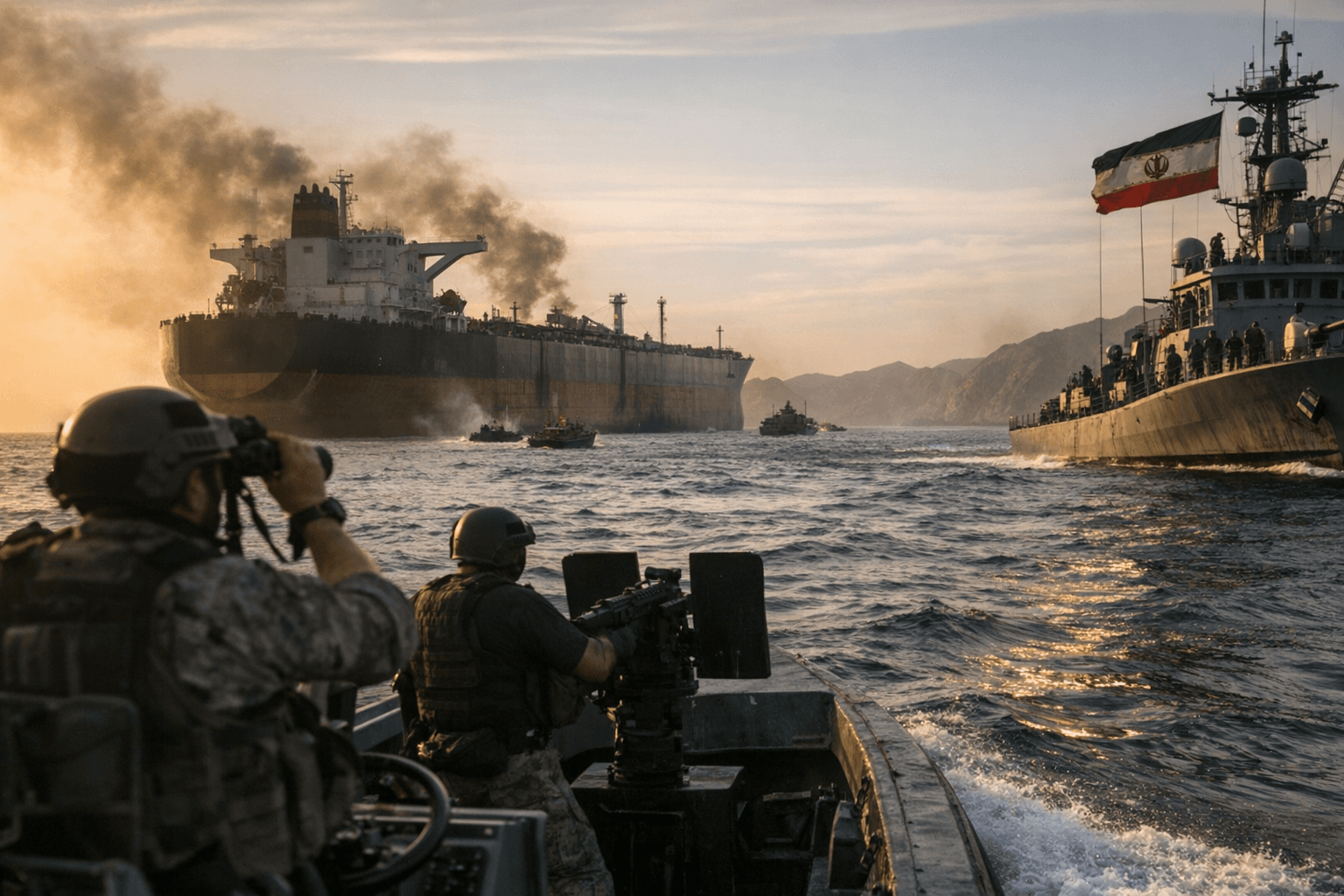
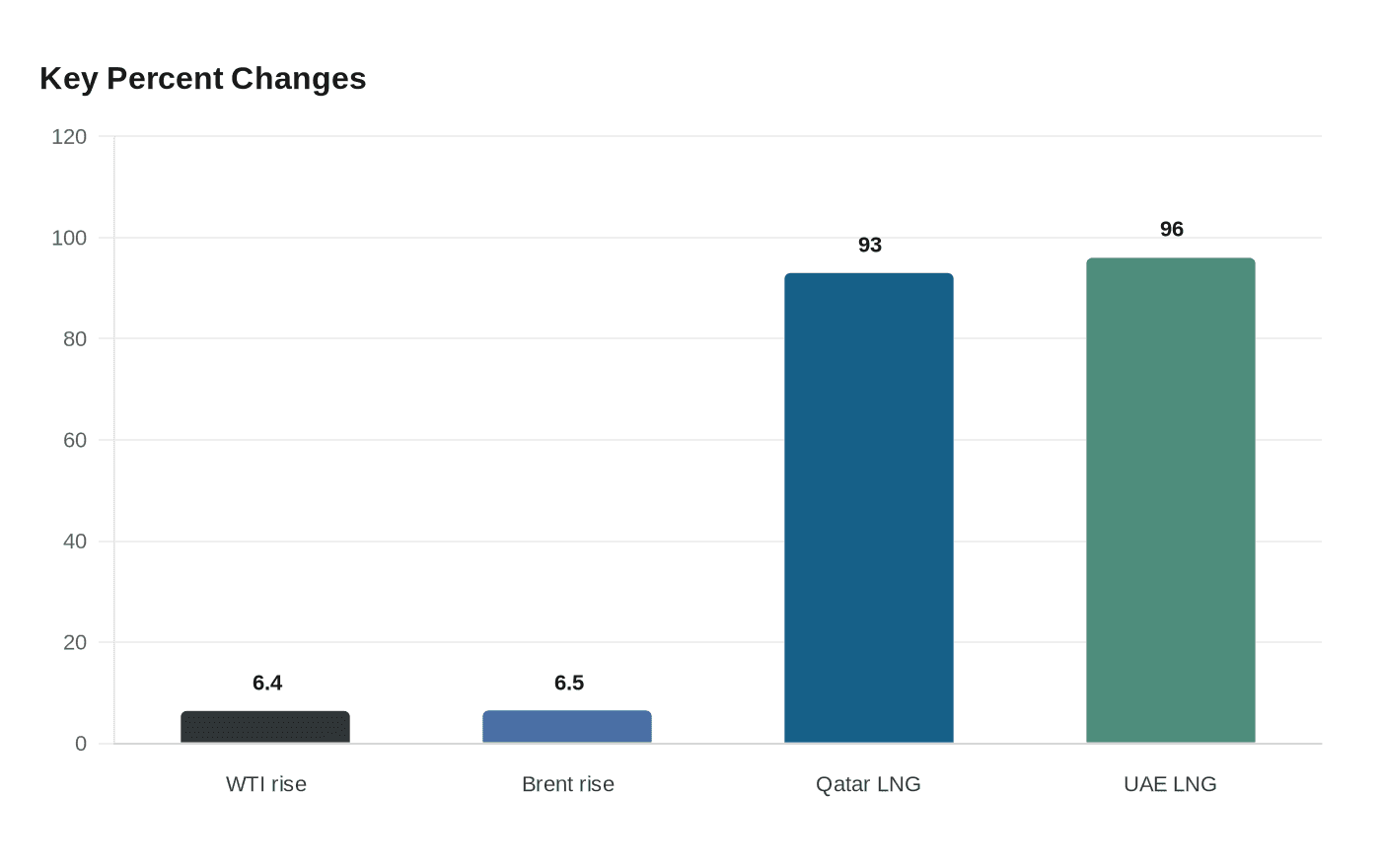
Oil prices jumped back into focus as tankers again stopped moving through the Strait of Hormuz, a chokepoint that can quickly turn a Middle East standoff into higher costs for U.S. drivers, shippers and factories. West Texas Intermediate rose 6.4% to $87.88 a barrel after trading resumed Sunday night, while Brent climbed 6.5% to $96.25, a sharp reminder that even a brief interruption in Gulf shipping can feed straight into gasoline prices, freight rates and inflation pressure.
The market had briefly caught a break Friday, when Iran said it would fully reopen the passage for commercial traffic and crude prices fell more than 9%. That relief did not last. By the weekend, tensions had renewed, tanker traffic through the waterway had come to a halt again, and at least 13 oil tankers turned back as fears of escalation spread. The U.S. Navy also seized an Iranian-flagged cargo ship near the strait, and Tehran vowed to respond. U.S. equity-index futures slipped, oil jumped and the dollar strengthened as investors moved back toward caution.
The stakes are so high because the Strait of Hormuz is only 29 nautical miles wide at its narrowest point, with limited bypass options. In 2025, an average of 20 million barrels a day of crude oil and oil products moved through the passage, or about a quarter of the world’s seaborne oil trade. The route is just as critical for gas markets: the International Energy Agency says about 93% of Qatar’s liquefied natural gas exports and 96% of the United Arab Emirates’ LNG exports transit the strait.
The IEA has called the disruption through Hormuz the largest supply shock in the history of the global oil market and says restoring transit is the single most important step to stabilize oil and gas prices. That is why the danger extends well beyond the Persian Gulf. Gulf producers have already cut total oil output by more than 10 million barrels a day and emergency stocks have been released to cushion the shock. If tankers stay away, the first hits will show up in Asian importing markets, but the effects would not stop there. U.S. consumers would likely feel it at the pump, and businesses would face higher transport and energy costs just as markets are trying to gauge how far the confrontation may go.
This article was produced by Prism’s automated news system from verified source data, official records, and press releases, then run through automated quality and moderation checks before publishing. The system is built and supervised by the people who set the standards it runs under. Read our full AI policy.
Did this article answer your question?

