Oil prices surge as U.S. weighs extended Iran blockade
Oil neared $115 a barrel as reports said Washington would extend its Iran blockade, raising the risk of higher gasoline, airfare and freight costs for U.S. households.
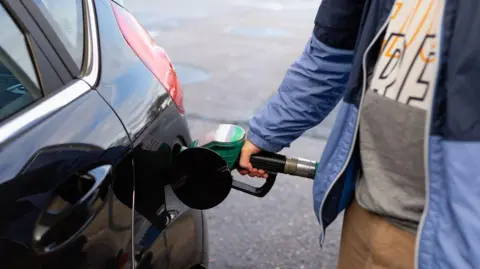
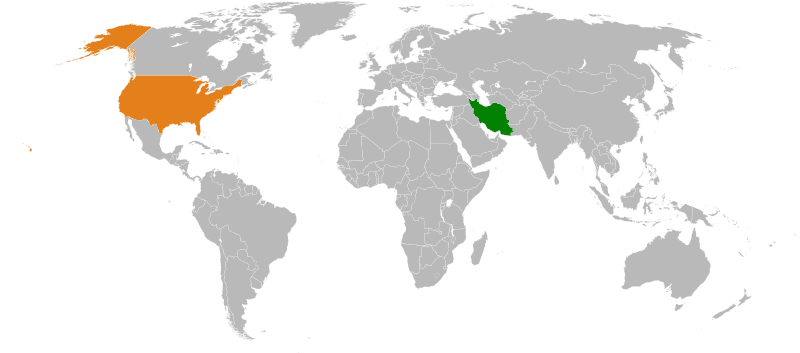
Oil climbed toward $115 a barrel as reports that Washington would extend its blockade of Iranian ports kept a multi-day rally alive and pushed traders to price in a longer supply shock. Brent crude hit a one-month high and traded near its highest level since June 2022, underscoring how quickly war risk in the Middle East was feeding into global energy markets.
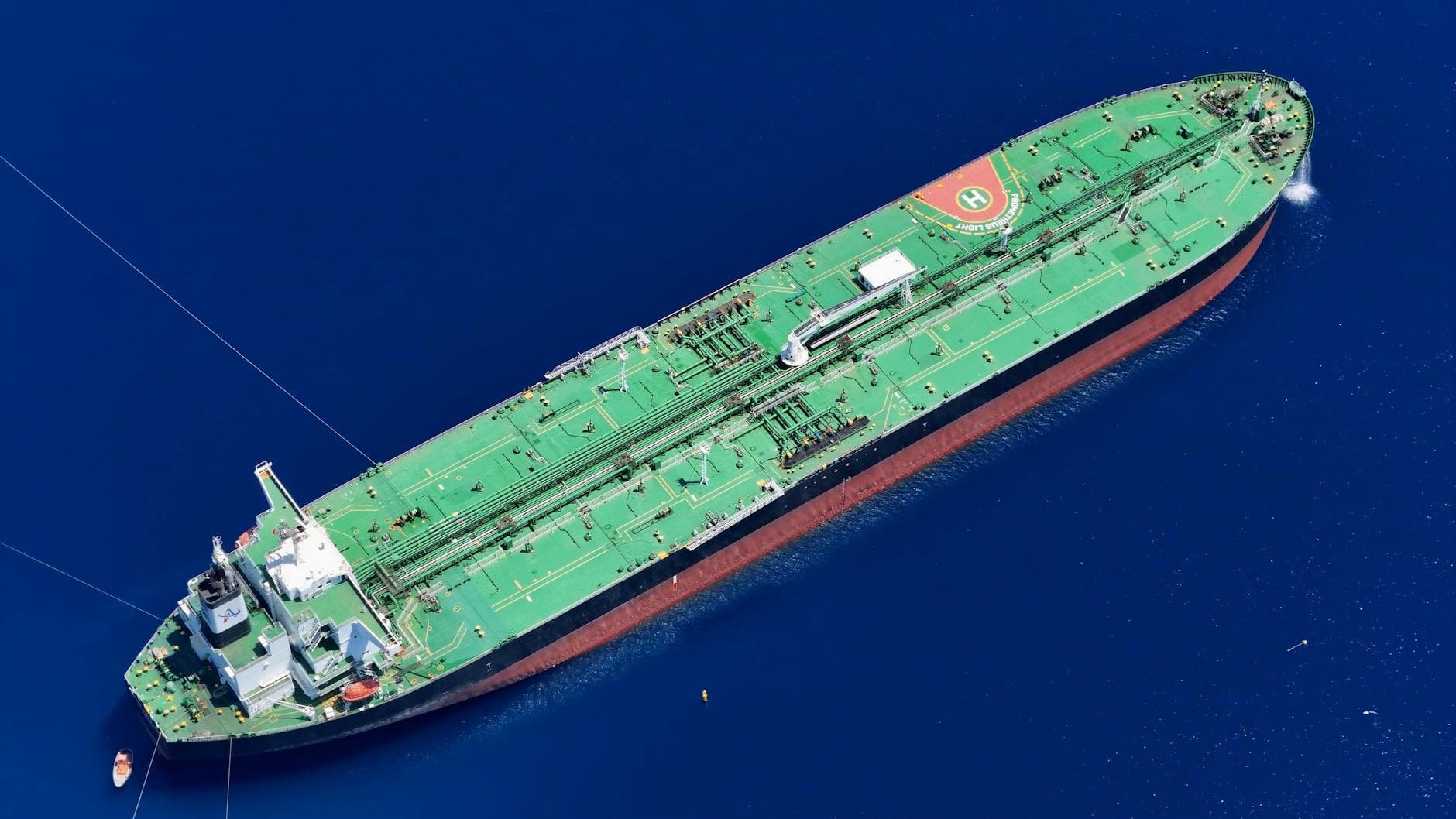
The move followed a Wall Street Journal report that Donald Trump had instructed aides to prepare for an extended blockade of Iran. The Strait of Hormuz, the narrow waterway linking Gulf producers to world buyers, carries roughly one-fifth of global crude flows and is only about 20 miles wide at its narrowest point. That makes it one of the most fragile choke points in the oil system, with tankers moving about 20 million barrels a day through a corridor that cannot absorb much disruption before prices react sharply.
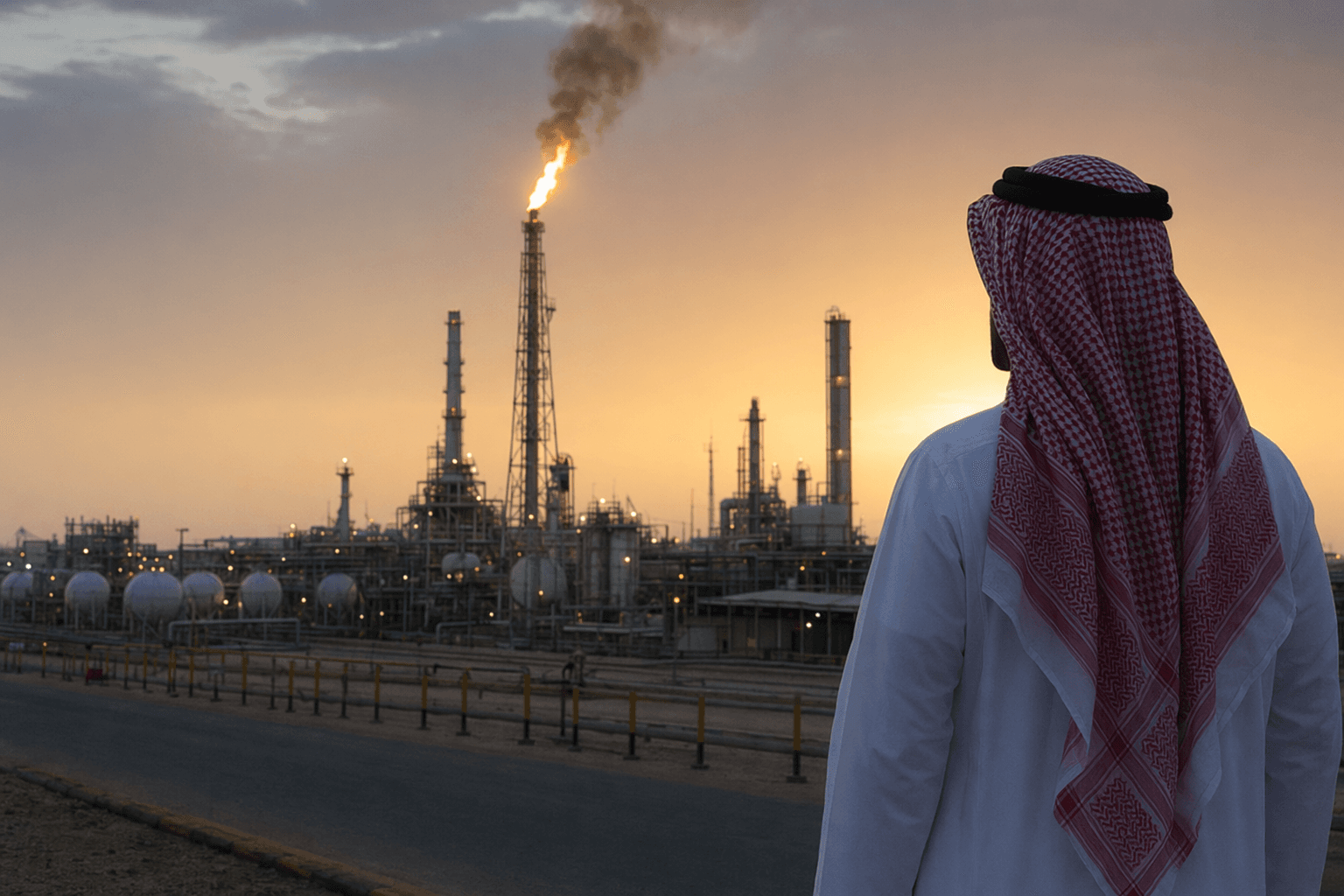
For U.S. households, the transmission is straightforward and painful. Higher crude prices usually show up first at the pump, then in airline tickets and freight bills, and finally in broader inflation readings as companies pass along higher transport costs. If Brent holds near $115, refiners, carriers and shippers will be forced to rebuild fuel assumptions almost immediately, raising the odds of another round of price increases just as consumers are still sensitive to every move in energy costs.
The risk is not just the level of prices but the duration of the shock. Reuters said the rally was multi-day, which suggests traders were not reacting to a single headline but to the prospect of a sustained interruption tied to the Iran conflict. CNBC noted that March Brent prices rose 51%, one of the largest monthly gains on record, after Gulf output fell and exports stalled. That kind of move leaves little cushion if the blockade lasts.
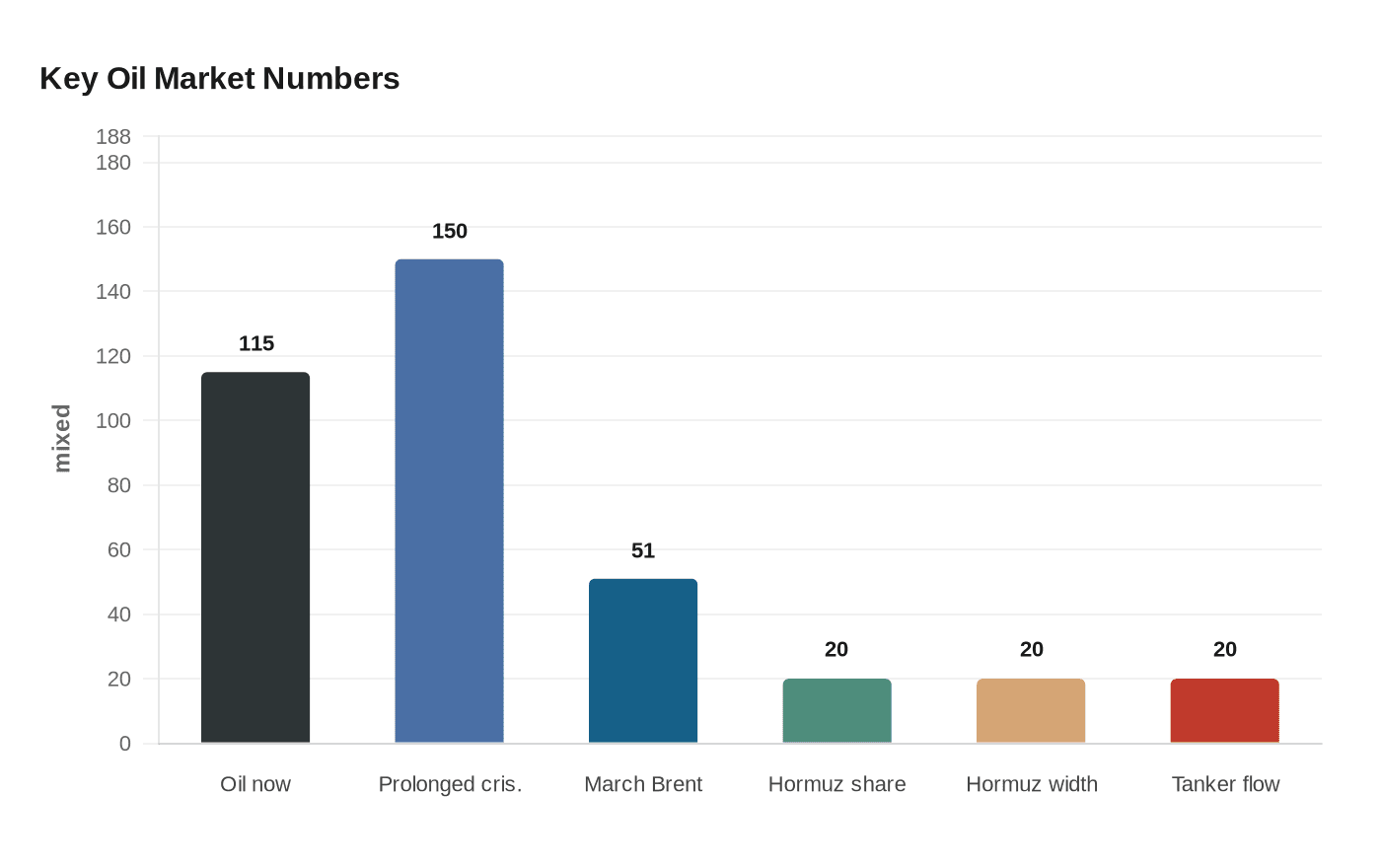
The Energy Information Administration has already warned that its petroleum outlook is highly contingent on the interaction between a Strait of Hormuz closure and related production outages. Analysts have floated $150 a barrel in a prolonged crisis, a level that would deepen the hit to consumers and businesses alike. History offers a warning too: the Iran-Iraq Tanker War of the 1980s also shook shipping through Hormuz, but today’s oil market is more concentrated and more dependent on uninterrupted tanker traffic. If the blockade proves durable, the question will not be whether households feel it, but how far the shock spreads into inflation, travel and growth.
This article was produced by Prism’s automated news system from verified source data, official records, and press releases, then run through automated quality and moderation checks before publishing. The system is built and supervised by the people who set the standards it runs under. Read our full AI policy.
Did this article answer your question?

