Oil swings as Vance says diplomatic talks on Mideast continue
Oil swung on signals from Washington and Tehran, with Brent back above $100 and traders bracing for gasoline, jet fuel and inflation to move with Hormuz risk.
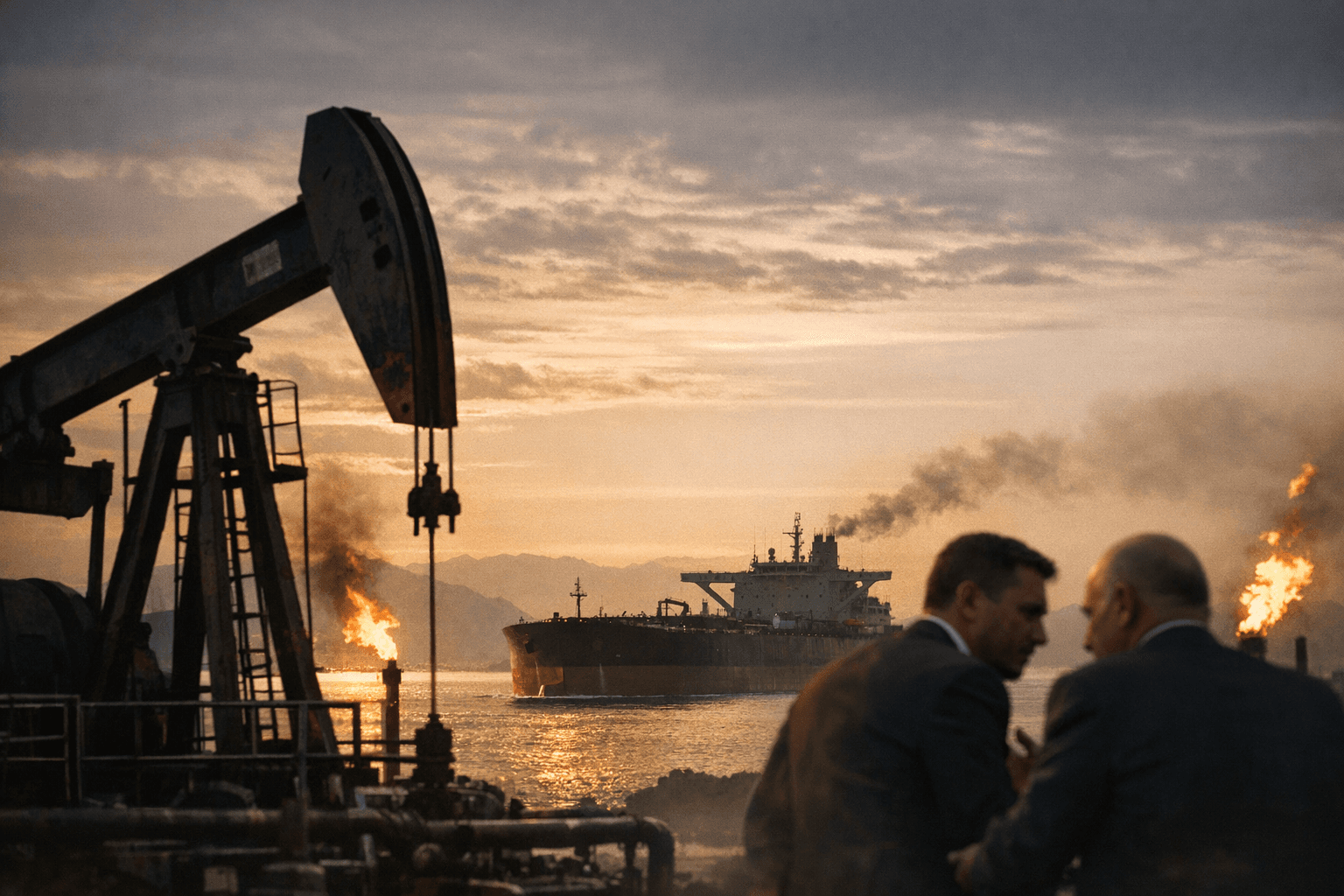
A single hint that talks might keep going was enough to cool oil, but the market remained one headline away from another spike. When JD Vance said U.S.-Iran peace talks ended without an agreement after 21 hours, crude markets whipsawed again, underscoring how quickly diplomacy can translate into higher or lower fuel costs for drivers, airlines and businesses.
Vance later said the next steps depended on Tehran and that the “ball is in Iran’s court.” Pakistan played a mediating role in the effort, which also involved special envoys Steve Witkoff and Jared Kushner. The ceasefire that followed the hastened talks briefly pushed oil below $100 a barrel, but that relief proved fragile as traders kept one eye on the Strait of Hormuz, the narrow passage that carries a huge share of the world’s oil exports.
The International Energy Agency says about 20 million barrels per day of crude oil and oil products moved through the strait in 2025, roughly 25% of global seaborne oil trade. At its narrowest point, the waterway is just 29 nautical miles wide, with two-mile-wide shipping channels, leaving the market exposed to any disruption. About 80% of those flows go to Asia, so any prolonged blockade would hit refiners, shippers and importers far beyond the Gulf.
Prices reflected that risk immediately. After Donald Trump threatened a U.S. blockade of “any and all Ships trying to enter, or leave, the Strait of Hormuz,” oil topped $100 a barrel again. Brent crude for June delivery rose 6% to above $100, while physical crude cargoes for prompt delivery to Europe hit a record near $150 a barrel on Monday, according to LSEG data cited by Reuters.
The supply backdrop is already tight. The U.S. Energy Information Administration said Iraq, Saudi Arabia, Kuwait, the UAE, Qatar and Bahrain collectively shut in 7.5 million barrels per day of crude production in March because of the disruption, and it expects those shut-ins to peak at 9.1 million barrels per day in April before easing. The agency said the disruption implies a global inventory draw of 5.1 million barrels per day in the second quarter, the kind of squeeze that usually shows up first in refined products, then at the pump.
If diplomatic progress holds and Hormuz risk eases, gasoline and jet fuel costs should cool, giving drivers and airlines some breathing room and helping steady inflation expectations. If the standoff flares again, the market has already shown how fast oil can jump, bond traders can push back on Fed cut bets, and the inflation shock can spread well beyond energy.
This article was produced by Prism’s automated news system from verified source data, official records, and press releases, then run through automated quality and moderation checks before publishing. The system is built and supervised by the people who set the standards it runs under. Read our full AI policy.
Did this article answer your question?