OPEC Raises Production Quotas in Move Widely Seen as Symbolic
OPEC+ approved a paper increase of 206,000 barrels per day for May, but the Iran war has shut the Strait of Hormuz and Brent crude is near $120.
With Brent crude hovering near $120 per barrel and the Strait of Hormuz effectively closed to normal shipping traffic since mid-March, OPEC+ approved in principle a production quota increase of roughly 206,000 barrels per day for May, mirroring the adjustment agreed for April. Analysts and delegates described the move as largely symbolic: the same war disrupting global oil flows is preventing most producers from actually pumping more.
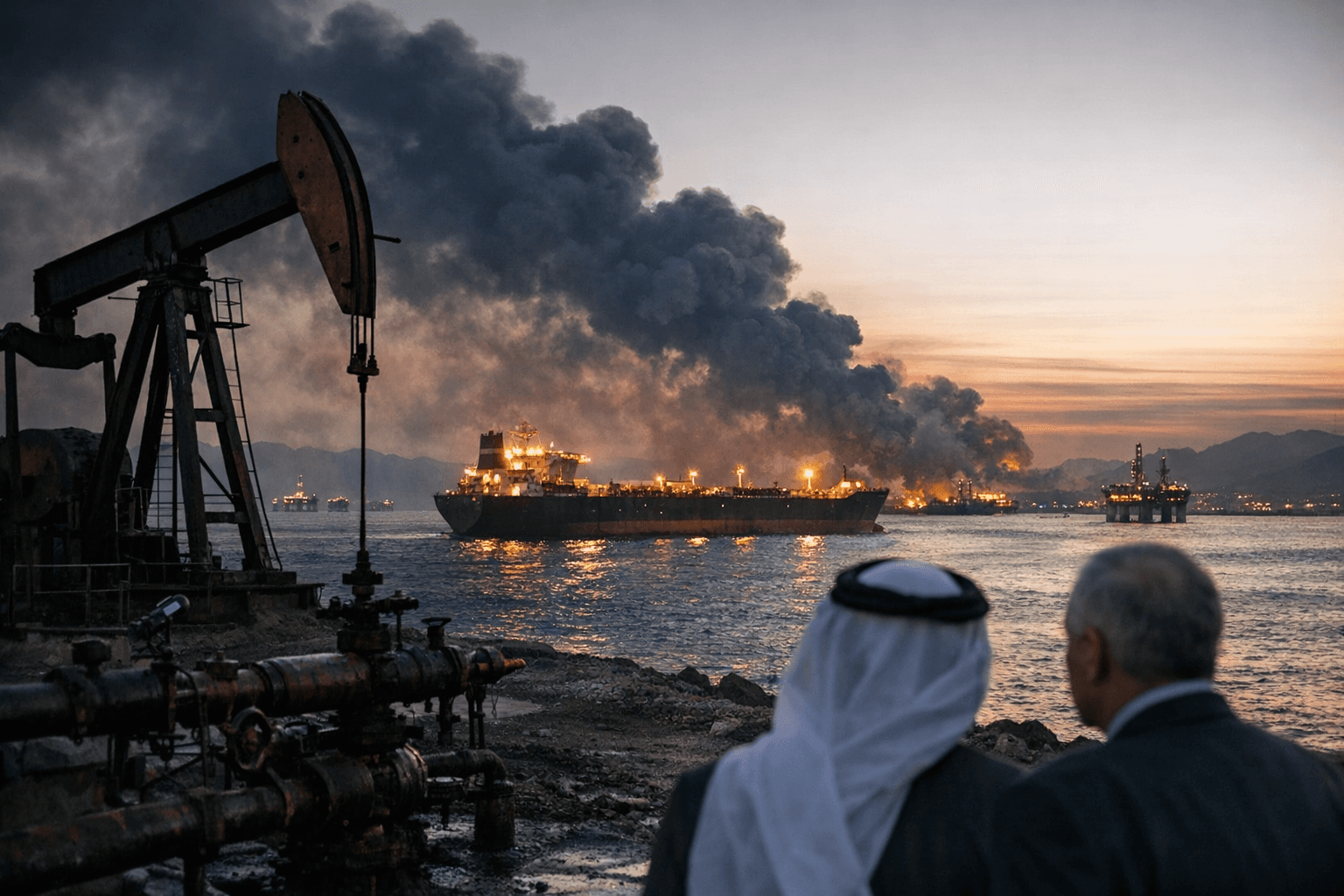
The decision, reached during a video conference on Sunday involving the alliance's eight core members - Saudi Arabia, Russia, the UAE, Iraq, Kuwait, Kazakhstan, Algeria and Oman - mirrors April's increase almost exactly. The Strait of Hormuz, the narrow chokepoint through which roughly 20 percent of the world's daily crude supply passes, has seen shipping traffic collapse by 90 to 95 percent since U.S. and Israeli strikes on Iran triggered retaliatory measures from Tehran. Infrastructure damage from missile and drone attacks across the Gulf has further constrained producers' ability to ramp up output even where quotas technically permit it.
For anyone paying at the pump, that gap between quota and deliverable barrel is the number that matters. Sources familiar with the discussions told Reuters the proposed increase is intended primarily as a signal that OPEC+ stands ready to act once conditions improve and supply routes reopen, not as an immediate fix to tight global supply. With force majeure declarations curbing effective output across the Gulf, the additional barrels exist, for now, mainly on paper.
The International Energy Agency projects that Gulf producers have collectively cut total oil production by at least 10 million barrels per day since the war began - a supply shock the IEA itself called the largest in the history of the global oil market. In response, the U.S. moved to release 172 million barrels from strategic petroleum reserves, while the IEA coordinated an additional 400 million barrel release from member nations. Neither measure has been enough to fully offset the disruption, and Brent has held well above the $100 mark. Analysts warn prices could spike above $150 per barrel if the Hormuz closure persists deep into the second quarter.
Among the alliance's eight core members, only Saudi Arabia and the UAE hold meaningful spare capacity, but both face the same export bottleneck through the Gulf. RBC analyst Helima Croft noted before the meeting that the market impact of any large OPEC output increase would be limited precisely because of that logistical wall. Rystad Energy analyst Jorge Leon had warned after the April decision that even the agreed increase was potentially insufficient to prevent a price rally, a concern now compounded by the Strait's continued closure.
The slow-recovery scenario carries its own risk premium baked into futures markets long after the shooting stops. Even if shipping resumes in the coming weeks, tanker insurers, flag states and shipowners will take time to return to pre-war routing patterns, meaning the physical lag between a ceasefire and actual barrels reaching refineries could stretch well into summer. For airlines absorbing jet fuel costs, trucking fleets passing diesel surcharges down supply chains and households budgeting for summer driving season, the distinction between a paper quota and a delivered barrel is the difference between relief and another month of pressure at the register.
This article was produced by Prism’s automated news system from verified source data, official records, and press releases, then run through automated quality and moderation checks before publishing. The system is built and supervised by the people who set the standards it runs under. Read our full AI policy.
Did this article answer your question?

