OpenAI lawyer says Musk wanted control, not mission, in trial opening
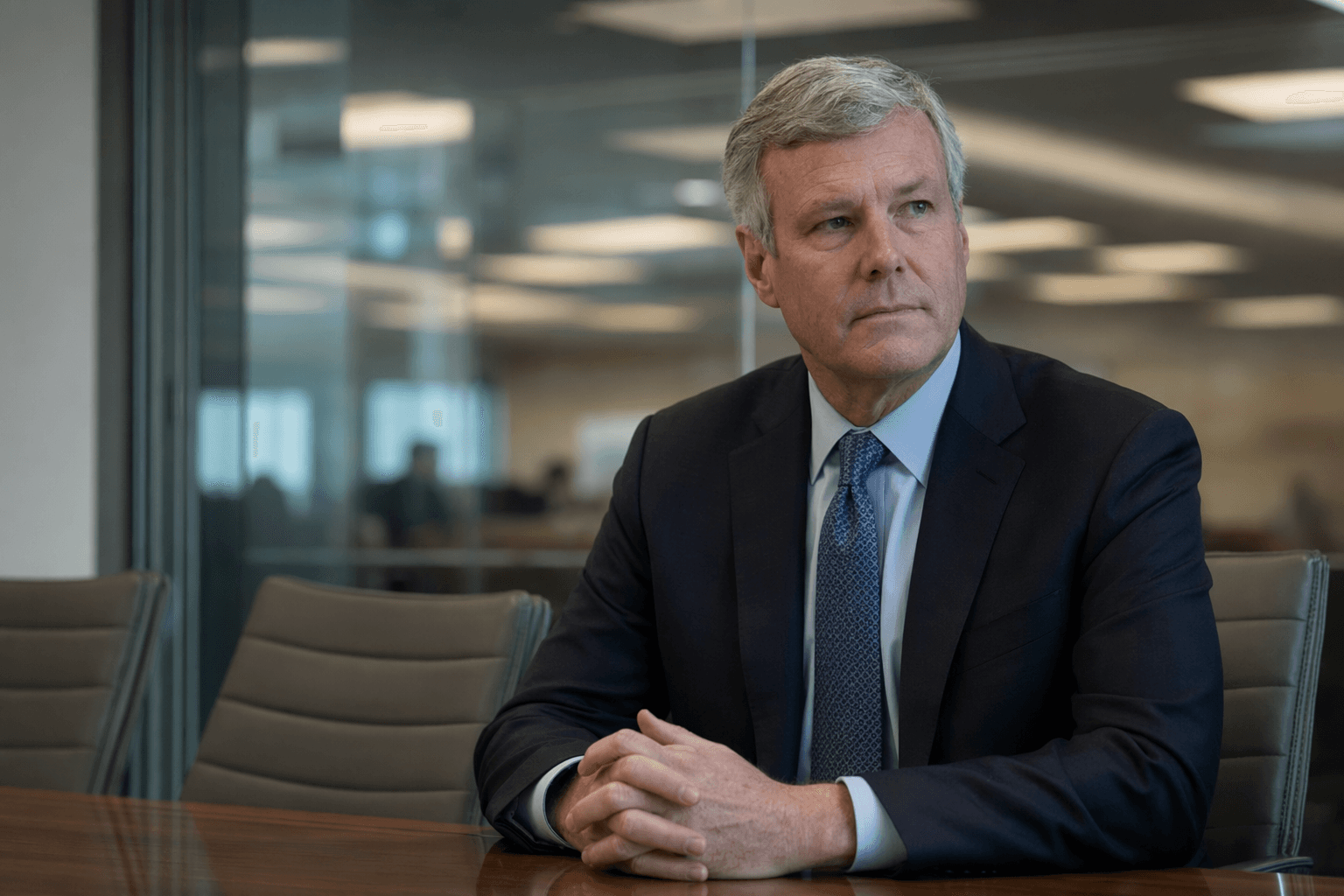
OpenAI’s lawyer told jurors Elon Musk wanted the “keys to kingdom,” turning a charity fight into a power struggle over who controls frontier AI.
Elon Musk’s trial against OpenAI opened with a fight over motive, not just mission. In federal court in Oakland, OpenAI lawyer William Savitt told nine jurors that Musk wanted the “keys to kingdom,” casting the case as a struggle for control over one of the world’s most valuable AI companies and not a crusade over public benefit.
That framing goes to the heart of what is at stake for OpenAI and for the broader generative AI industry. The jury will issue only an advisory verdict, but Judge Yvonne Gonzalez Rogers could use it to decide questions that may shape OpenAI’s future corporate structure, its leadership, and the company’s path toward public-market ambitions. With OpenAI valued at hundreds of billions of dollars, the dispute reaches far beyond a personal feud between Musk and Sam Altman.
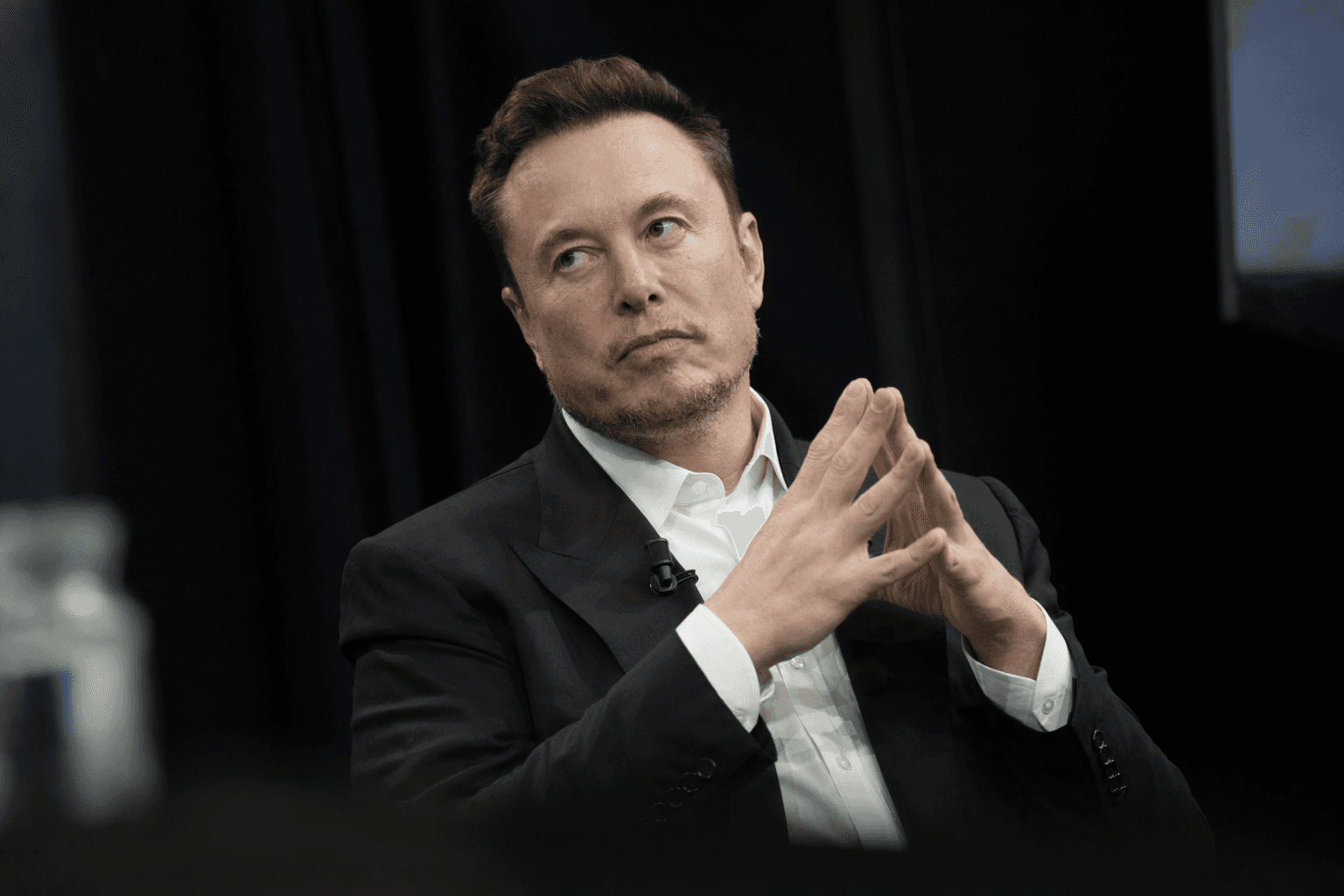
The lawsuit centers on OpenAI’s origins and its later transformation. Musk co-founded OpenAI in 2015 as a nonprofit, then left the board in 2018 after a bitter internal power struggle. OpenAI later created a for-profit subsidiary, a move Musk says violated the promises he says were made when he helped launch the company. He filed the lawsuit in 2024, seeking as much as $134 billion in damages, though he now wants any recovery to go to OpenAI’s nonprofit charity rather than to himself.
OpenAI’s response has been equally blunt. The company has called Musk’s case baseless and, in court, Savitt pushed the argument that Musk was less concerned with OpenAI’s charitable mission than with dominating it. That theme put a sharper edge on the legal theory: if Musk was trying to control the company, then his claim that OpenAI betrayed its founding purpose becomes a fight over governance and leverage, not simply ethics.
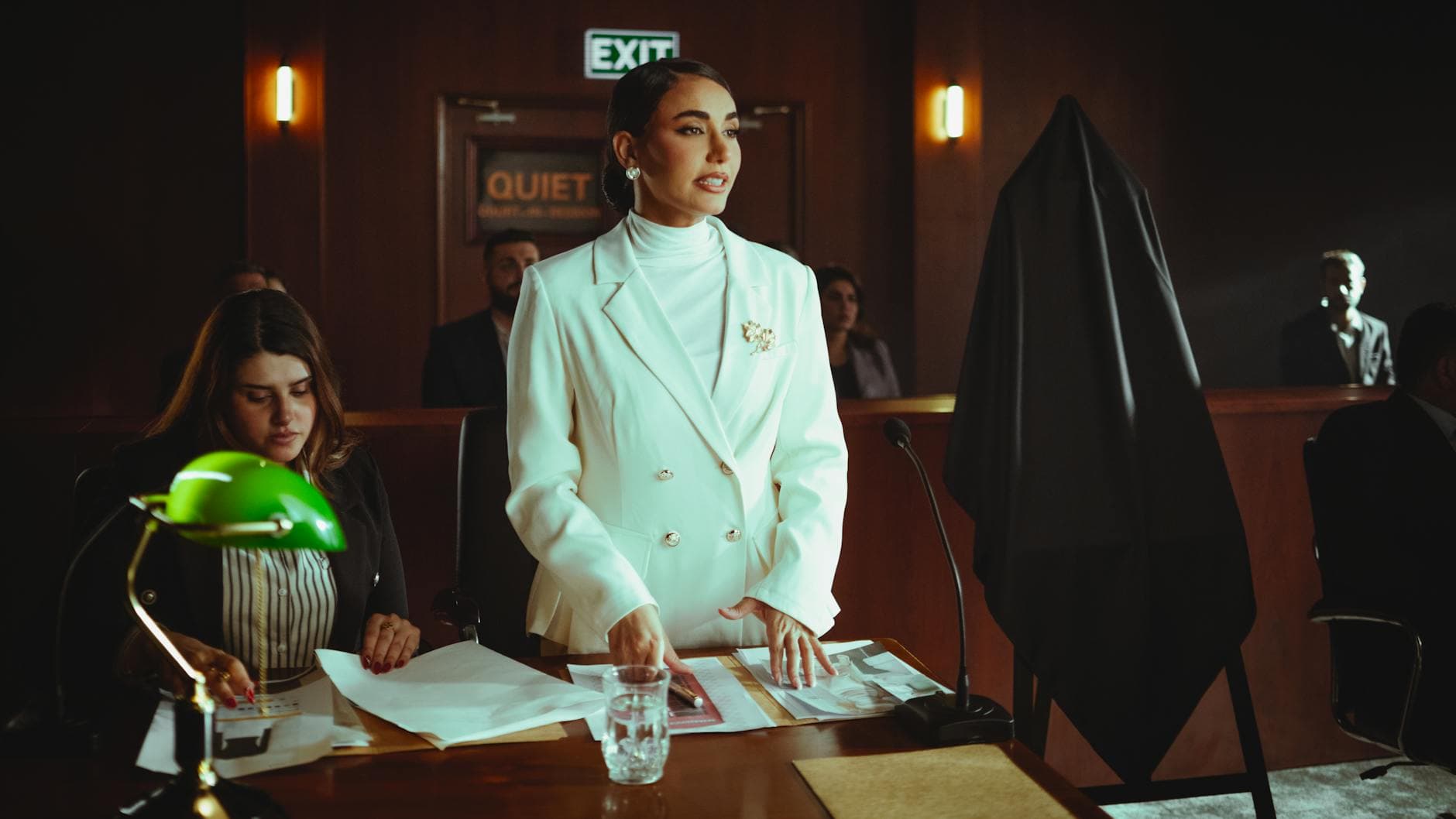
Musk’s own lawyer, Steven Molo, offered the opposite narrative to the jury, saying OpenAI had been created “for the benefit of all mankind” and accusing those who stayed after Musk’s departure of stealing a charity. That moral clash sets up a rare public account of OpenAI’s internal history, including expected testimony from former chief scientist Ilya Sutskever, former chief technology officer Mira Murati and Microsoft chief executive Satya Nadella.
The case could ultimately help define whether an AI lab can move from nonprofit ideals to profit-seeking scale in order to raise the capital required to build frontier models. In an industry where the cost of compute, talent and distribution keeps rising, the verdict may shape how much freedom AI companies have to rewrite their own rules as they compete for the next generation of models.
Know something we missed? Have a correction or additional information?
Submit a Tip