Orbán ousted in Hungary, populist blueprint suffers global setback
Orbán’s defeat after 16 years in power jolted Europe’s populist right, but Hungary’s vote looked more like a revolt against economic pain than an end to anti-elite politics.
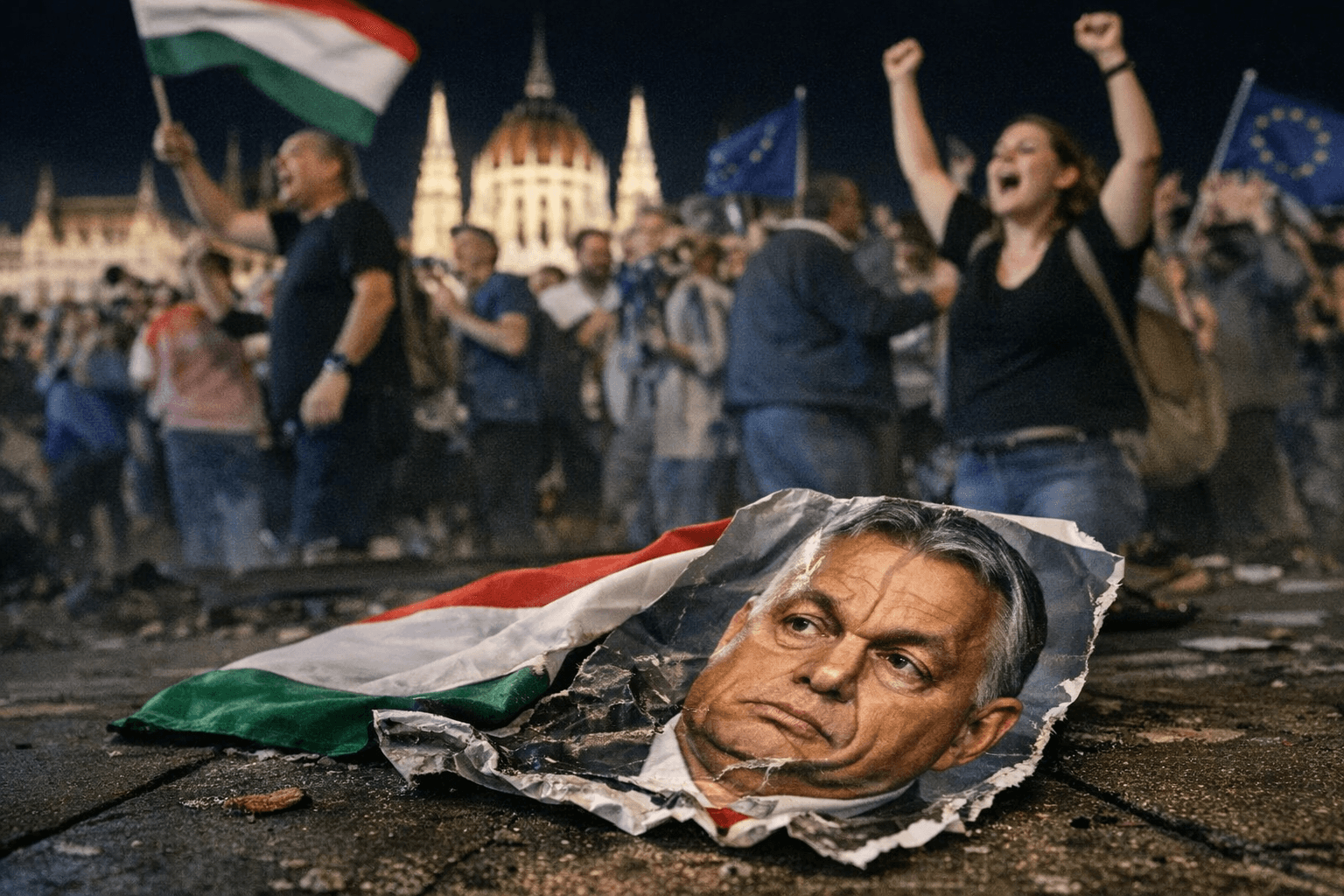
Viktor Orbán’s defeat in Hungary has shaken one of the clearest models of modern right-wing populism, but it did not erase the forces that carried him to power. Péter Magyar and his center-right Tisza party won the parliamentary election on April 12, ending 16 years of Fidesz rule and 16 years with Orbán at the center of Hungarian politics.
The result reverberated far beyond Budapest. Orbán had become a template for nationalist, anti-immigration, illiberal politics admired by figures such as Donald Trump and Vladimir Putin, and his loss was immediately seen as a setback for Europe’s far right, Moscow’s political reach and, potentially, the populist right in the United States. For Hungary’s critics of Orbán, the vote offered a rare and significant break. For his opponents across Europe, it was a reminder that even entrenched populists can be beaten at the ballot box.
But the scale of the defeat should not be mistaken for a wholesale rejection of Orbánism. Analysts said the election reflected political fatigue, economic frustration and a search for a new messenger as much as any ideological conversion. Hungary had been weighed down by stalled growth, surging inflation and eroding real wages, and those pressures hardened as the campaign neared its end. Magyar’s challenge benefited from that mood, while Orbán’s tightly controlled media environment and familiar rally style appeared less effective than in earlier contests.
That matters because Hungary’s election may tell a harder truth for Orbán’s critics: populism often weakens when the economy deteriorates, but it does not disappear with one lost election. The result suggests that grievance politics, anti-elite rhetoric and media networks can survive the fall of the leader who built them. In that sense, Orbán’s ouster is less a burial of the movement than a warning that opposition forces must offer something durable in its place.
The implications extend into the European Union, where Hungary’s ties with Brussels could shift as Magyar takes power. The election also carries stakes for frozen EU funds, which could become part of a wider recalibration in Hungary’s relationship with the bloc. Beyond that, the change in Budapest may affect policy toward Ukraine and Russia at a moment when Europe is still divided over how hard to confront Moscow. Orbán’s defeat is a blow to the global populist right, but it is not proof that the politics he helped normalize has been defeated with him.
This article was produced by Prism’s automated news system from verified source data, official records, and press releases, then run through automated quality and moderation checks before publishing. The system is built and supervised by the people who set the standards it runs under. Read our full AI policy.
Did this article answer your question?


