Pakistan extends ban on India-registered aircraft through Feb. 24, 2026
Pakistan's airports authority renewed a monthlong ban on India-registered aircraft, prolonging a closure that raises costs and rerouting for regional carriers.
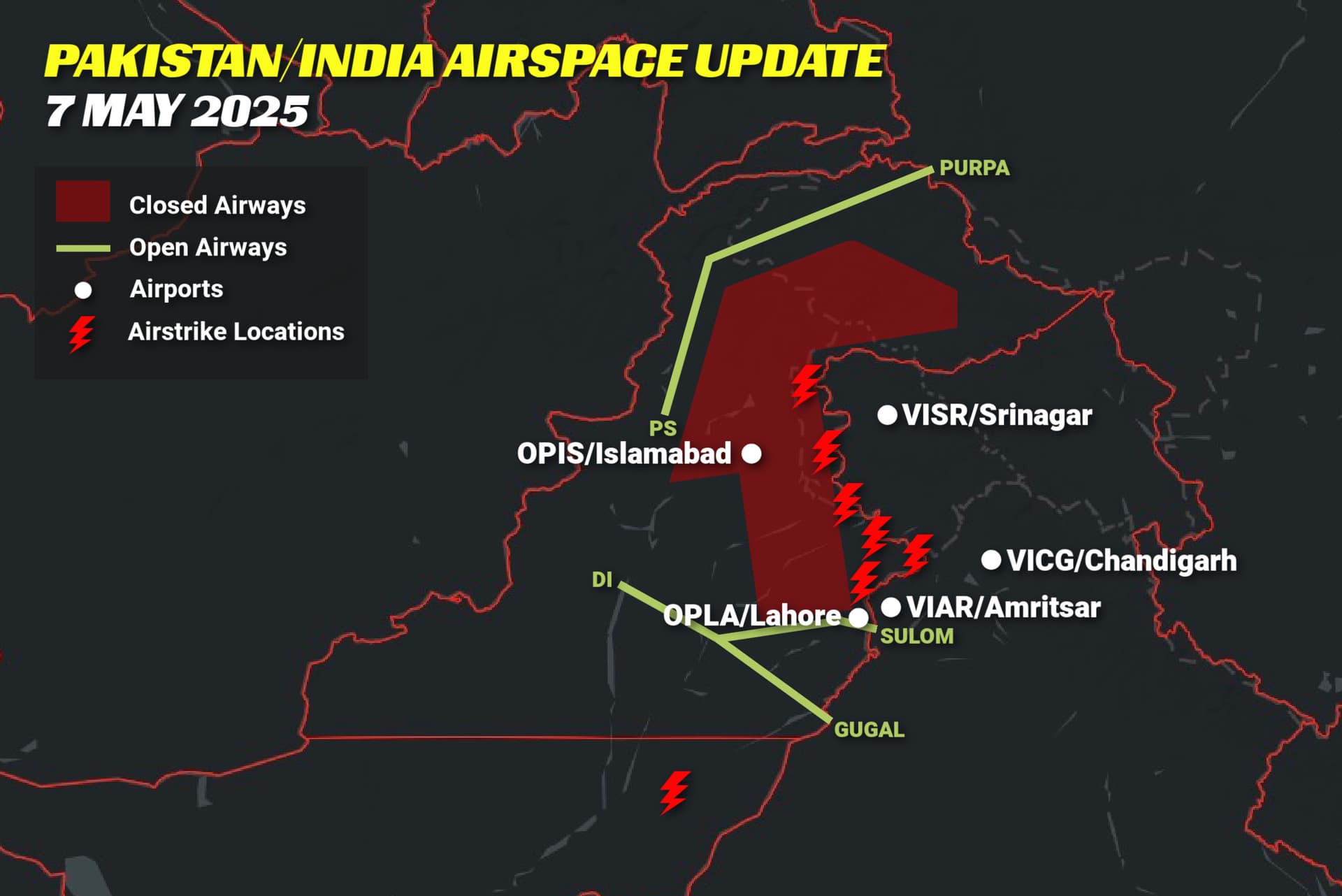
Pakistan's Airports Authority (PAA) issued a Notice to Airmen on Jan. 20 extending a ban on the use of Pakistani airspace by all India‑registered aircraft through 05:00 Pakistan Standard Time on Feb. 24, 2026. The restriction applies from ground level to unlimited altitude across Pakistan's two flight information regions, Karachi (OPKR) and Lahore (OPLR), and covers aircraft registered in India as well as aircraft owned, operated or leased by Indian airlines and operators, including military flights.
The NOTAM specifies the effective window beginning Jan. 25 and ending Feb. 24 at 05:00 PST (00:00 UTC on Feb. 24). Some published versions of the notice contained a typographical error listing the start date as Jan. 25, 2025; because the PAA issued the NOTAM on Jan. 20 and referenced a prior extension expiring Jan. 23, the intended start date is Jan. 25, 2026. The announcement constitutes another monthlong renewal of a closure first imposed on April 24, 2025 and maintained through successive extensions since then.
The closure has direct operational consequences for India‑origin flights en route to the Middle East, Europe and North America. Airlines and analysts have reported reroutings that add fuel burn and block hours to long‑haul sectors, in some cases increasing fuel costs by as much as 29 percent and extending journey times by up to three hours on certain routes. Those increases translate into higher unit costs for carriers, tighter margins on transit services and upward pressure on fares and air freight rates for impacted corridors.
Airlines have pursued alternative routing, and one carrier has sought access to restricted military airspace over China’s Xinjiang region to shorten detours. Such ad hoc solutions raise diplomatic and regulatory complexity and can alter the economics of hub choices. For cargo operators, longer routings mean slower delivery times and potential cascading effects on supply chains that rely on time-sensitive shipments.
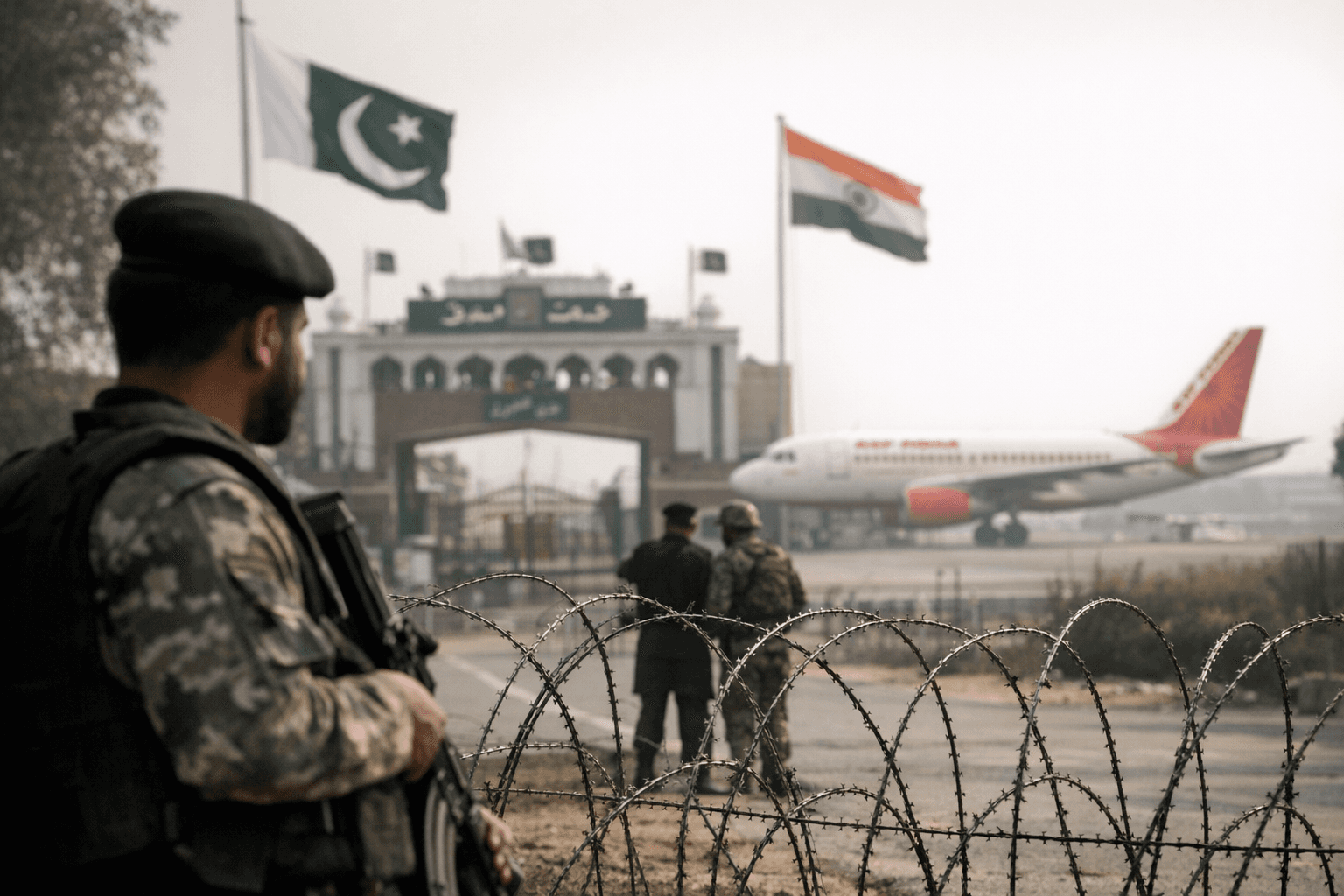
The airspace closure followed a broader rupture in bilateral relations last year, which included a series of diplomatic and security escalations between Islamabad and New Delhi. India closed its airspace to Pakistani carriers on April 30, 2025 in a reciprocal move. Pakistani authorities have linked the sustained restriction to those tensions, which have intertwined diplomatic, water‑treaty and security disputes into aviation policy decisions.
Market participants face several immediate risks. Airlines carrying India‑origin traffic will absorb higher fuel and navigation charges or pass them on to customers; insurers may adjust premiums for routes that traverse politically sensitive regions; and airports and hubs that previously benefited from shorter flows through Pakistan could see shifts in traffic patterns. Over the medium term, persistent airspace politicization can encourage carriers to seek more resilient networks, renegotiate bilateral overflight arrangements, and factor geopolitical risk into fleet and route planning.
The latest NOTAM keeps a nine‑month closure in place and signals that aviation access remains subject to short‑term political calculations. Unless the underlying diplomatic strains ease, the economic friction imposed by altered routings and higher operating costs is likely to persist, affecting carriers, shippers and passengers across the region well beyond the immediate one‑month extension.
This article was produced by Prism’s automated news system from verified source data, official records, and press releases, then run through automated quality and moderation checks before publishing. The system is built and supervised by the people who set the standards it runs under. Read our full AI policy.
Did this article answer your question?


