Pakistan U.A.E. tensions rise as mass deportations hit workers
Pakistani workers in the UAE are reporting sudden detentions and deportations as remittances and trade hang in the balance.
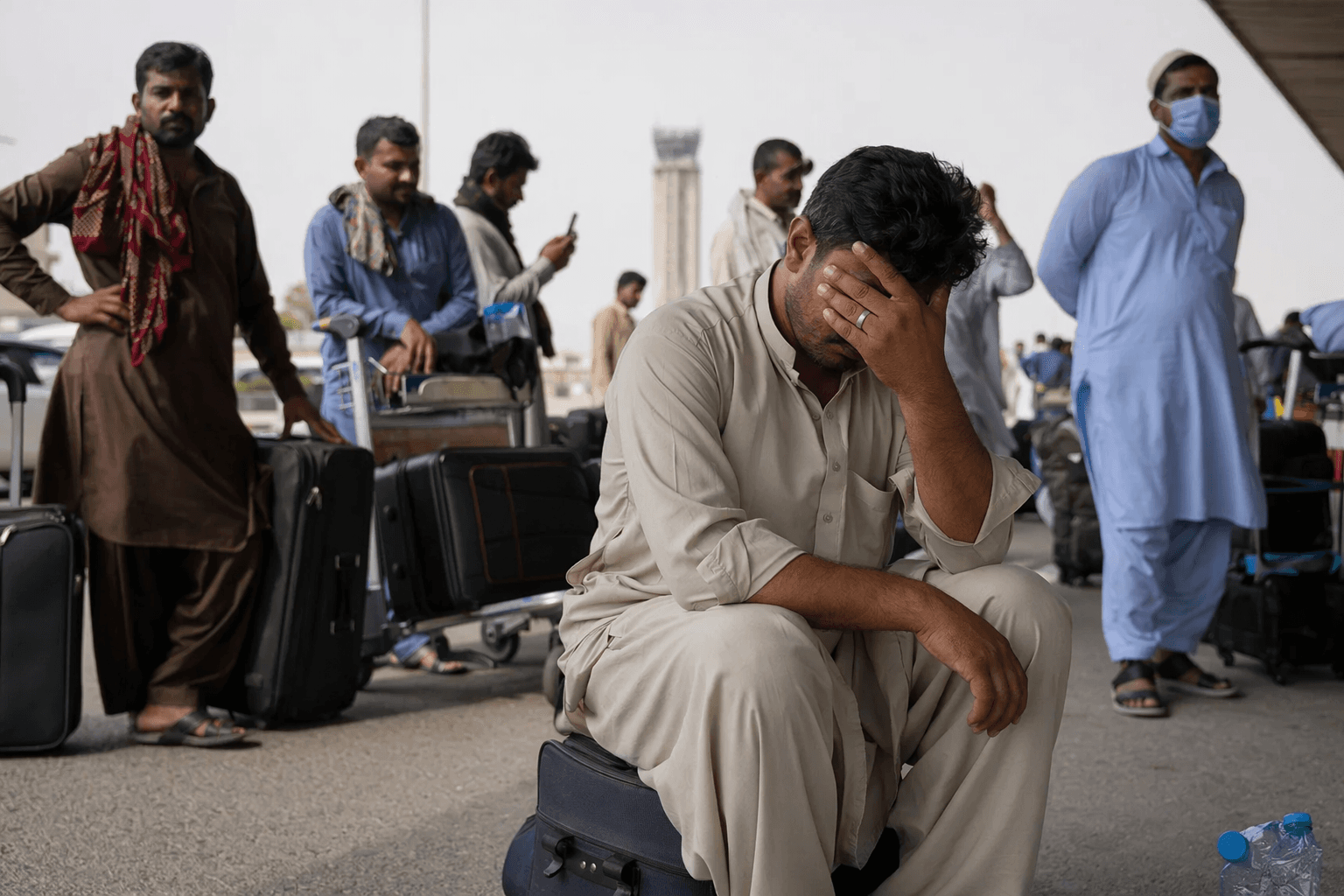
Pakistani workers in the United Arab Emirates are being pushed into the center of a widening diplomatic squeeze, with families back home losing incomes as remittance flows and bilateral ties come under strain. Testimony collected by New Lines Magazine described Pakistani nationals alleging sudden detentions, transfers through multiple police sites, confiscated phones, no formal charges and rapid removal through Al-Awir detention facility.
One account said a Pakistani man who had worked for Dubai’s Roads and Transport Authority for more than a decade was detained on April 12, then moved from Jebel Ali police station to another detention site before ending up at Al-Awir. Others from Shiite-majority areas of Pakistan said they faced the same pattern of arrest, transfer and deportation. The reports have sharpened fears that the crackdown is not just about paperwork, but about pressure landing on a vulnerable expatriate community.
Pakistan’s Foreign Office pushed back on May 7, saying the deportations were largely tied to immigration violations and other legal issues rather than politics. It said the country’s missions in Dubai and Abu Dhabi issued nearly 1,500 emergency travel documents from January through April 2026. Officials also said some returns were linked to a UAE royal pardon process. A separate travel report said many new visa applications from Pakistani nationals were returning as “rejected” by March 31, suggesting the tightening may extend beyond deportations alone.
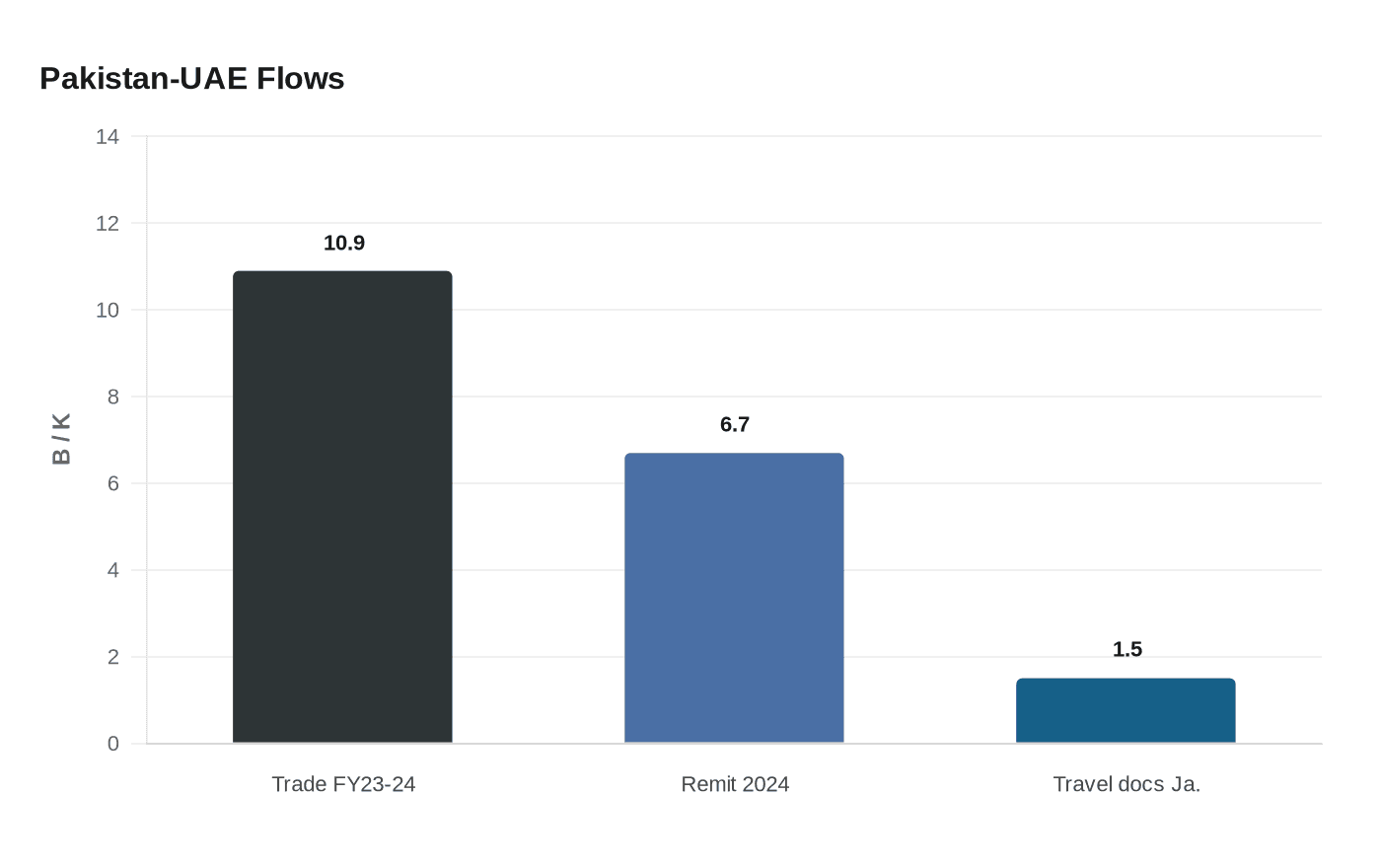
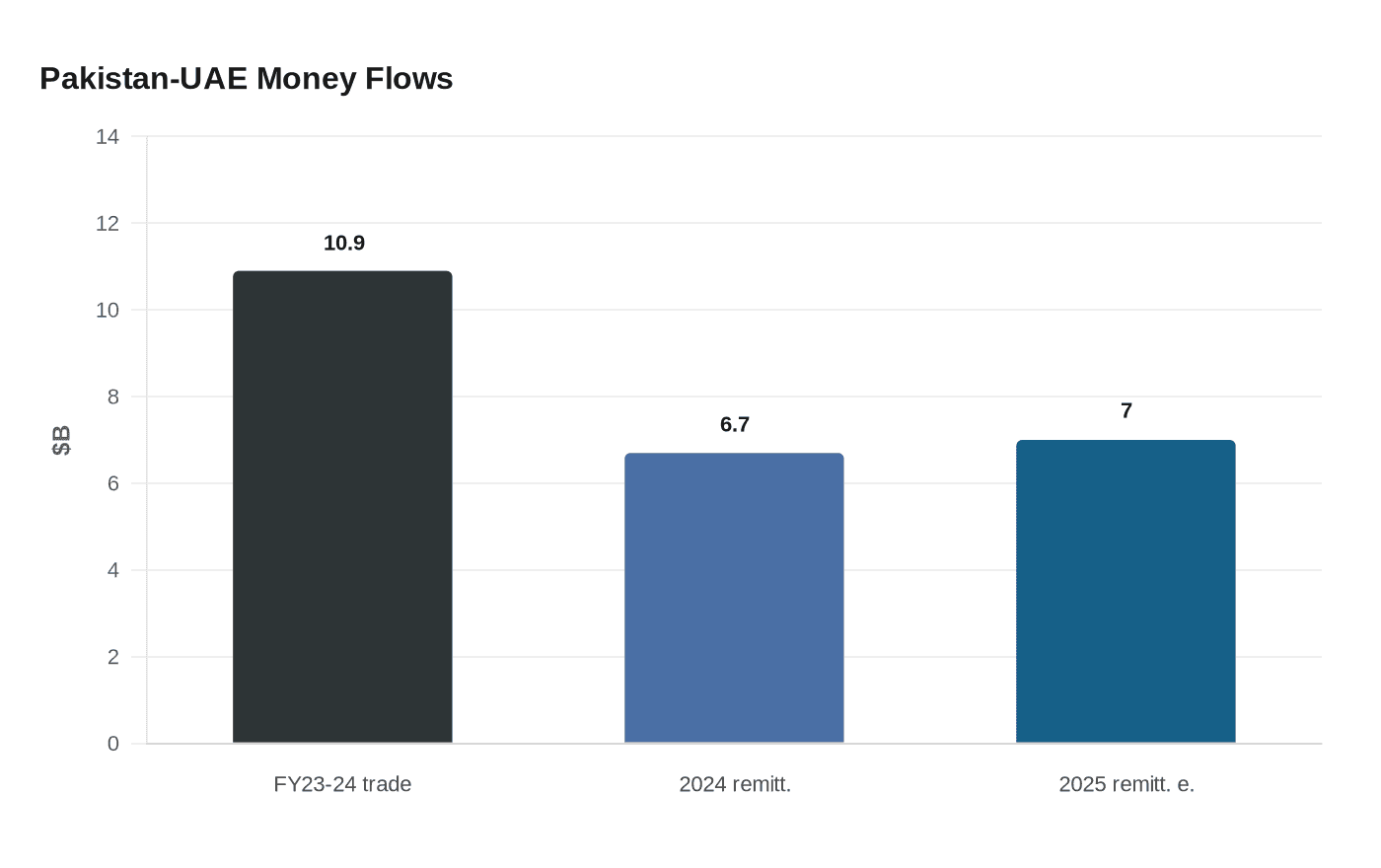
The stakes are unusually high. The UAE hosts up to 1.8 million Pakistani expatriates, according to Pakistan’s Foreign Office, and those workers are a crucial pillar of the country’s fragile economy. Pakistan’s ambassador to the UAE said bilateral trade topped $10.9 billion in fiscal year 2023-24, while remittances from Pakistanis in the UAE reached $6.7 billion in 2024 and could pass $7 billion in 2025. Any sustained disruption would hit households in Pakistan long before it shows up in official statistics.
The dispute also cuts into Pakistan’s wider diplomacy. Analysts said by April 2026 Islamabad had become a key interlocutor between Washington and Tehran, helping pass messages and bring both sides toward talks. Chatham House said Pakistan’s motives included easing energy pressure, calming its 900-kilometer border with Iran and avoiding regional spillover. With Pakistan still dependent on imported oil and LNG from Gulf states, and with Army Chief Asim Munir and other channels being used to deepen ties with Washington, the UAE fallout threatens to narrow Islamabad’s leverage just as it tries to widen it abroad.
This article was produced by Prism’s automated news system from verified source data, official records, and press releases, then run through automated quality and moderation checks before publishing. The system is built and supervised by the people who set the standards it runs under. Read our full AI policy.
Did this article answer your question?