Pakistan’s Jaffar Express returns after deadly Balochistan hijacking
After militants hijacked the Quetta-Peshawar train for 30 hours, passengers returned under heavy guard, using the 1,600-km link because many still had no other way home.
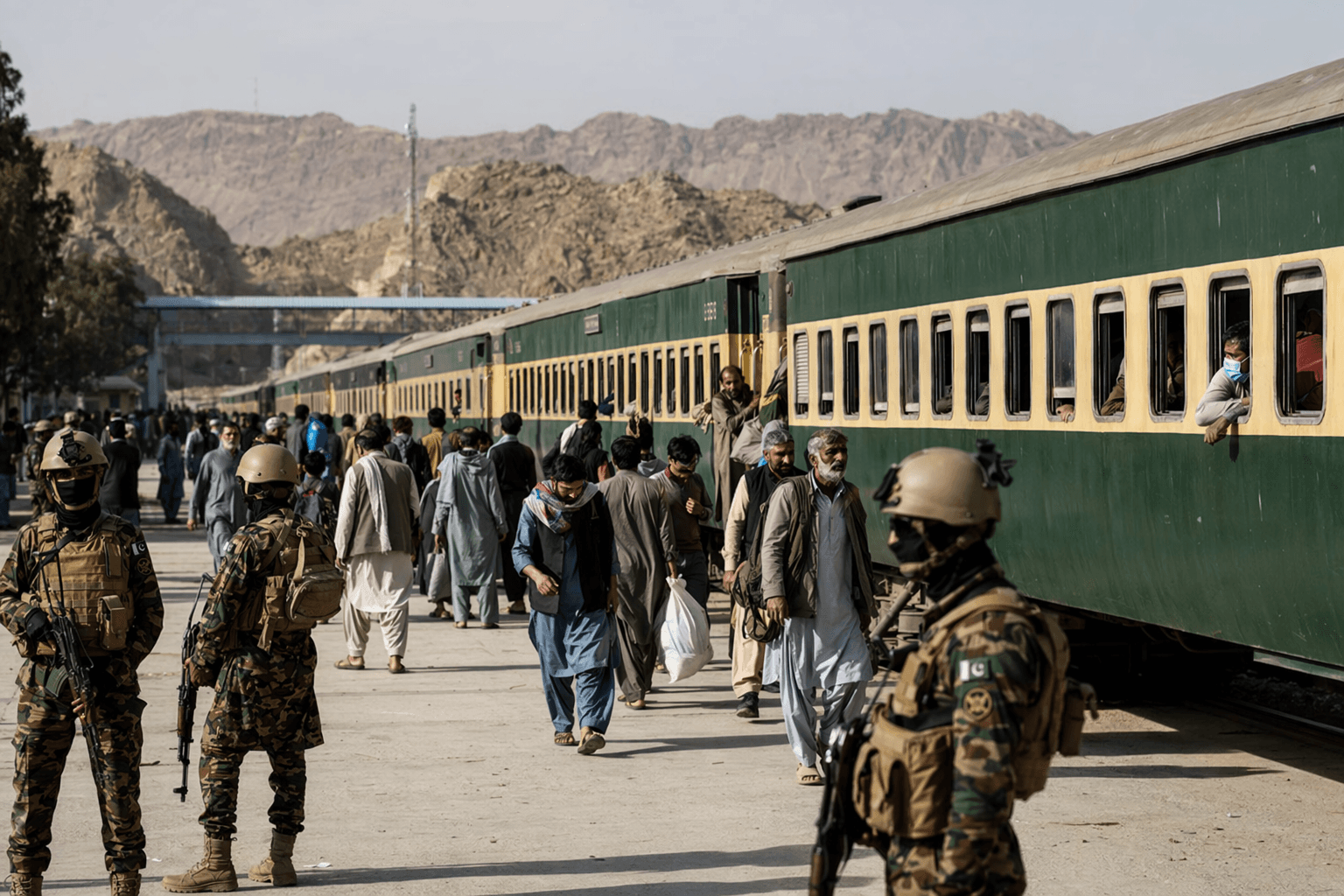
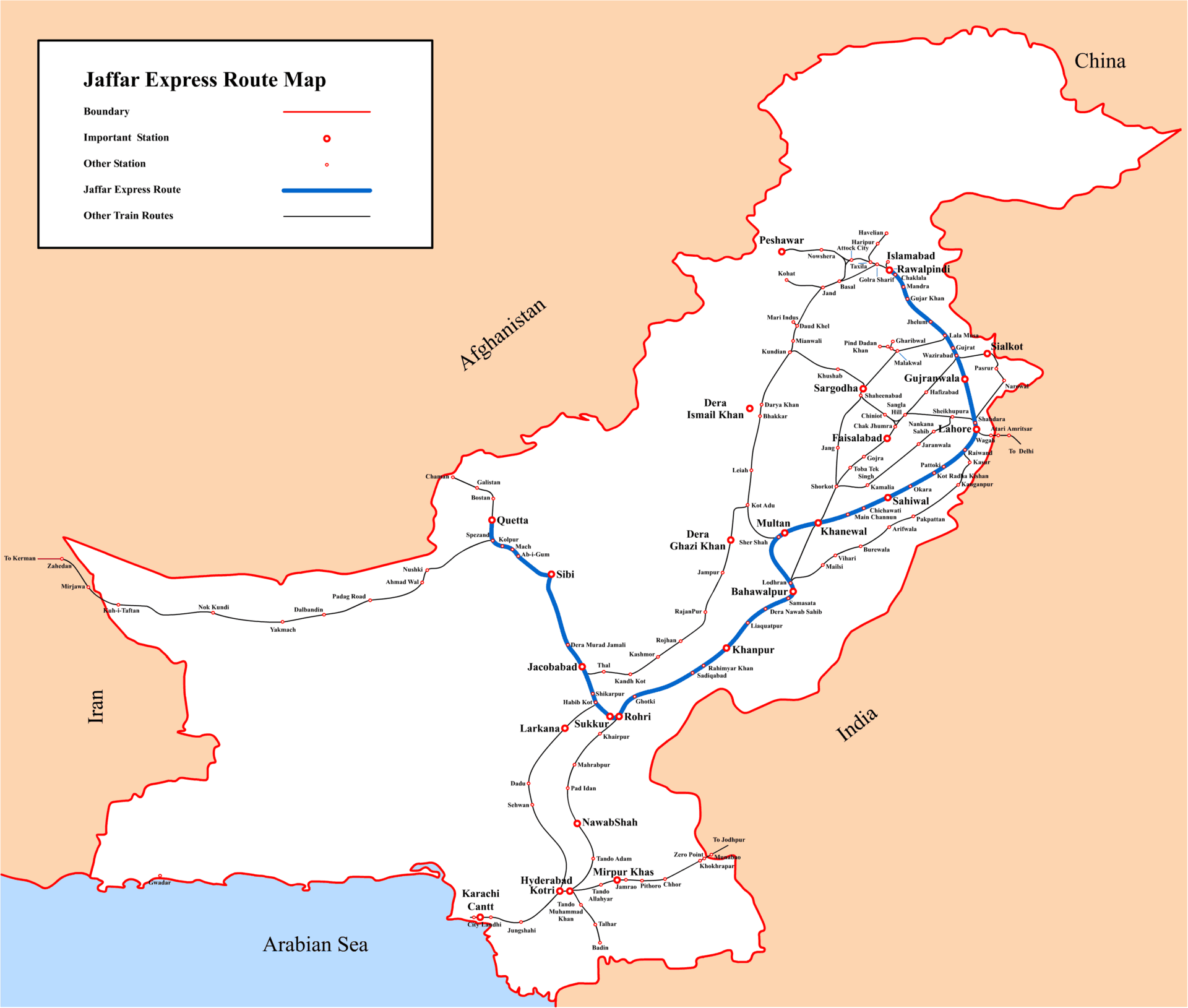
The Jaffar Express pulled back into service under armed guard, carrying more than 400 passengers from Quetta toward Peshawar on a route that has become a measure of how exposed Balochistan remains. The 1,600-kilometer journey cuts across one of Pakistan’s most insecure provinces, yet for many travelers it is still the only practical way home.
That calculation was laid bare on March 11, 2025, when militants attacked the train in the Bolan Pass and Mach area of Kachhi district, blasting the tracks, firing rockets and opening fire. Reporting put the train’s passenger load at roughly 400 to 440 people, including women, children and dozens of security personnel. The assault turned a routine overnight ride into a hostage crisis that lasted about 30 hours and ended the next day, March 12.
Pakistan’s military said 33 militants were killed in the rescue operation. Officials later said 31 people, including civilians, soldiers and rail staff, were killed in the attack. The Balochistan Liberation Army claimed responsibility, and the United Nations condemned the assault as a heinous terrorist act. For Pakistan Railways, the hijacking exposed how a single rail line can become a national vulnerability when security breaks down along a key corridor.
Service from Quetta was suspended after the attack, then restored on March 28, 2025, when the Jaffar Express resumed operations with more than 400 passengers under heightened security. The resumption mattered far beyond the station platform. The train is one of the few long-distance rail links connecting Balochistan with the rest of the country, and analysts said the hijacking was unusual because Baloch militants have more often struck buses and road transport than a passenger train.
That unusual target made the attack especially alarming for commuters weighing risk against necessity. The route remains dangerous, but for travelers who need to move between Quetta and the rest of Pakistan, the train is not an abstract symbol of resilience. It is the line they board because the alternative can be far slower, costlier or simply unavailable. In Balochistan, that leaves ordinary passengers making a grim national calculation every time they step onto the platform.
This article was produced by Prism’s automated news system from verified source data, official records, and press releases, then run through automated quality and moderation checks before publishing. The system is built and supervised by the people who set the standards it runs under. Read our full AI policy.
Did this article answer your question?