Panama Asks China to Respect Sovereignty After Ship Detentions Spike
China detained 92 of 124 ships at its ports in March under Panama's flag, prompting Panama's foreign minister to invoke sovereignty and demand Beijing de-escalate.
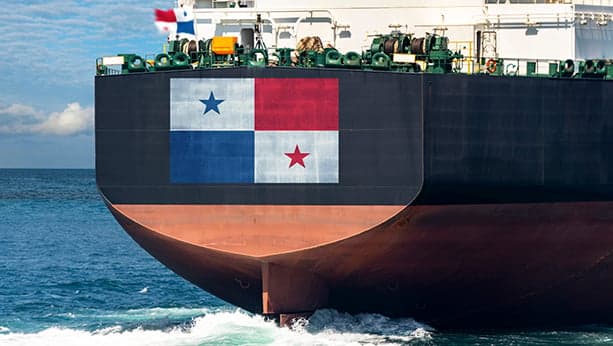
Panama's foreign minister formally asked Beijing on April 8 to stop targeting vessels registered under the Panamanian flag, invoking sovereignty after data from the Tokyo Memorandum of Understanding on Port State Control showed that 92 of 124 ships detained in Chinese ports in March flew Panama's flag. That 74 percent share, far above any historical baseline, transformed a regional port dispute into a stress test for one of global commerce's most fundamental legal arrangements: the flag of convenience.
Panama operates one of the world's largest open registries. More than 8,000 merchant ships, representing roughly 16 percent of global fleet tonnage, sail under Panama's flag even though most are owned by shipowners from Norway, Greece, Japan, and the Gulf. Under that system, Panama collects registration fees, sets safety standards, and assumes flag-state responsibility for vessels with no other geographic connection to the country. When China's port-state authorities single out Panama-flagged ships for inspection, they are not primarily targeting Panamanian commerce; they are applying pressure to a registry shared by the world.
The proximate cause was a January ruling by Panama's Supreme Court, which invalidated the 1997 concession granting Hong Kong-based CK Hutchison Holdings the right to operate the Balboa and Cristóbal terminal facilities on either side of the Panama Canal. APM Terminals, a subsidiary of Maersk, and MSC's Terminal Investment Limited took over the two facilities in late February under an 18-month temporary arrangement. The ruling also complicated a separate deal in which Hutchison had agreed to sell dozens of its global port assets, including the Panama terminals, to a U.S. consortium led by BlackRock and Mediterranean Shipping Company for nearly $23 billion. That transaction remains stalled. The dispute unfolds against a broader backdrop: President Trump had earlier asserted the United States aimed to reclaim the waterway from what he described as Chinese control.
Between March 8 and 12, Chinese port authorities detained 28 Panama-flagged ships, accounting for 75.7 percent of vessel detentions in the country during that period, according to data from the Tokyo Memorandum of Understanding on Port State Control. In the first three days of April, seven of 13 vessels detained in Chinese ports were Panama-flagged.
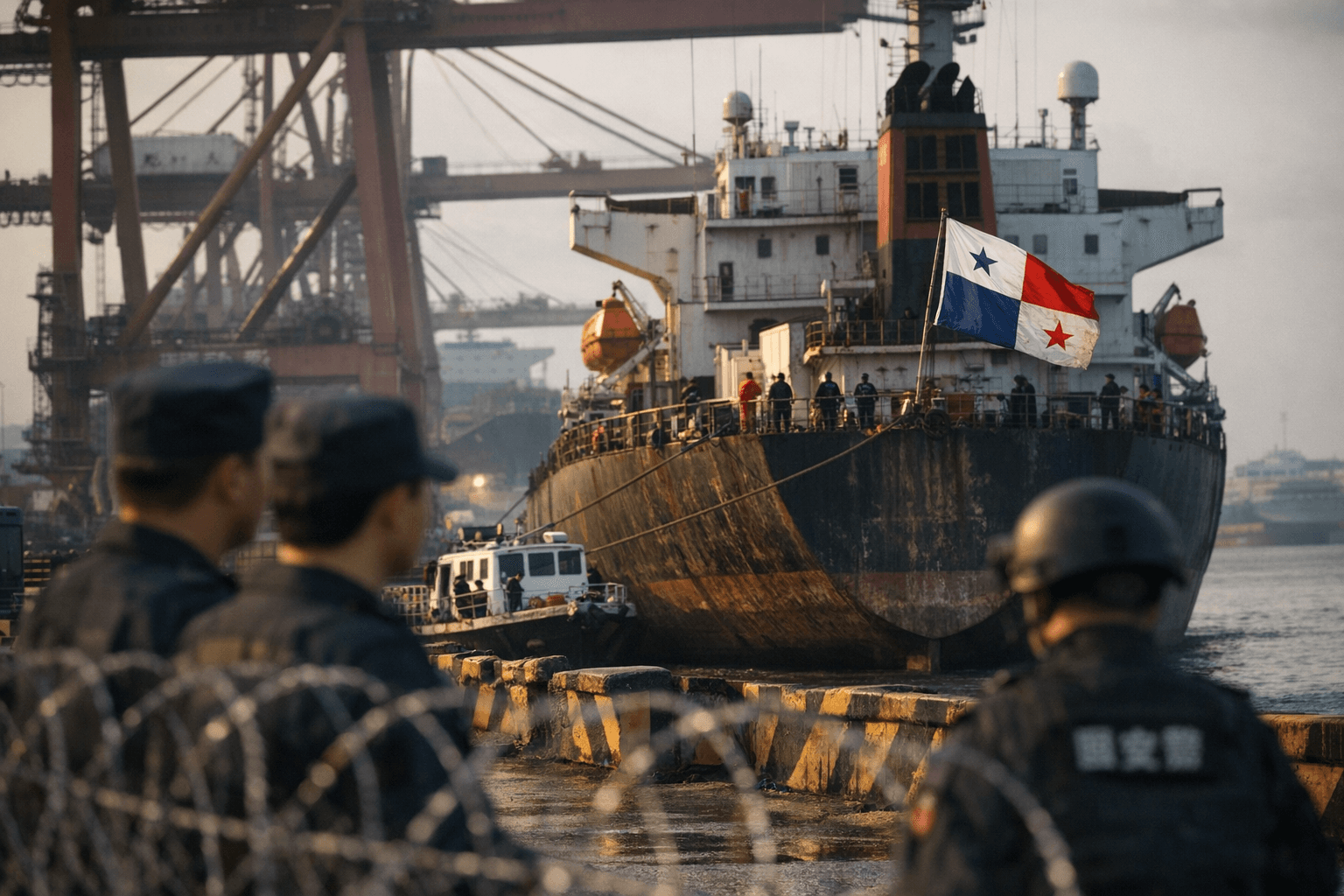
The scale drew a sharp response from Washington. Secretary of State Marco Rubio on April 2 accused China of "bullying" by detaining or holding up dozens of Panama-flagged ships after Panama seized control of two critical ports on the Panama Canal from a subsidiary of a Hong Kong-based company. Rubio warned that the detentions "destabilize supply chains, raise costs, and erode confidence in the global trading system." Federal Maritime Commission Chair Laura DiBella said China was weaponizing port-state control "to punish Panama," and the commission noted it was "not aware of any other country in recent history conducting vessel safety inspections and detentions in a punitive manner." China's Foreign Ministry spokesperson Mao Ning disputed those characterizations. The Chinese Ministry of Transport separately summoned Maersk to Beijing for high-level discussions.
For shipping companies and insurers, the political framing matters less than the commercial reality: a Panama-flagged vessel calling at a Chinese port now faces elevated risk of detention, longer turnaround times, and potential damage to its standing under Tokyo MOU's inspection regime. Those costs cascade across a registry shared by owners in dozens of countries.
Panama said it would continue bilateral engagement with Chinese authorities and explore multilateral channels as necessary. What that diplomacy must ultimately reckon with is the structural exposure the episode has laid bare: a flag-of-convenience system built on separating commercial registration from national politics is acutely vulnerable the moment a major port power decides to weaponize maritime inspection authority as a foreign-policy instrument.
This article was produced by Prism’s automated news system from verified source data, official records, and press releases, then run through automated quality and moderation checks before publishing. The system is built and supervised by the people who set the standards it runs under. Read our full AI policy.
Did this article answer your question?


