Papa Johns adopts Google's Gemini for omnichannel ordering across channels
Papa Johns will be the first chain to deploy Google's Gemini-powered ordering agent across apps, phones, kiosks and cars, a move that could reshape order-taking and staffing.
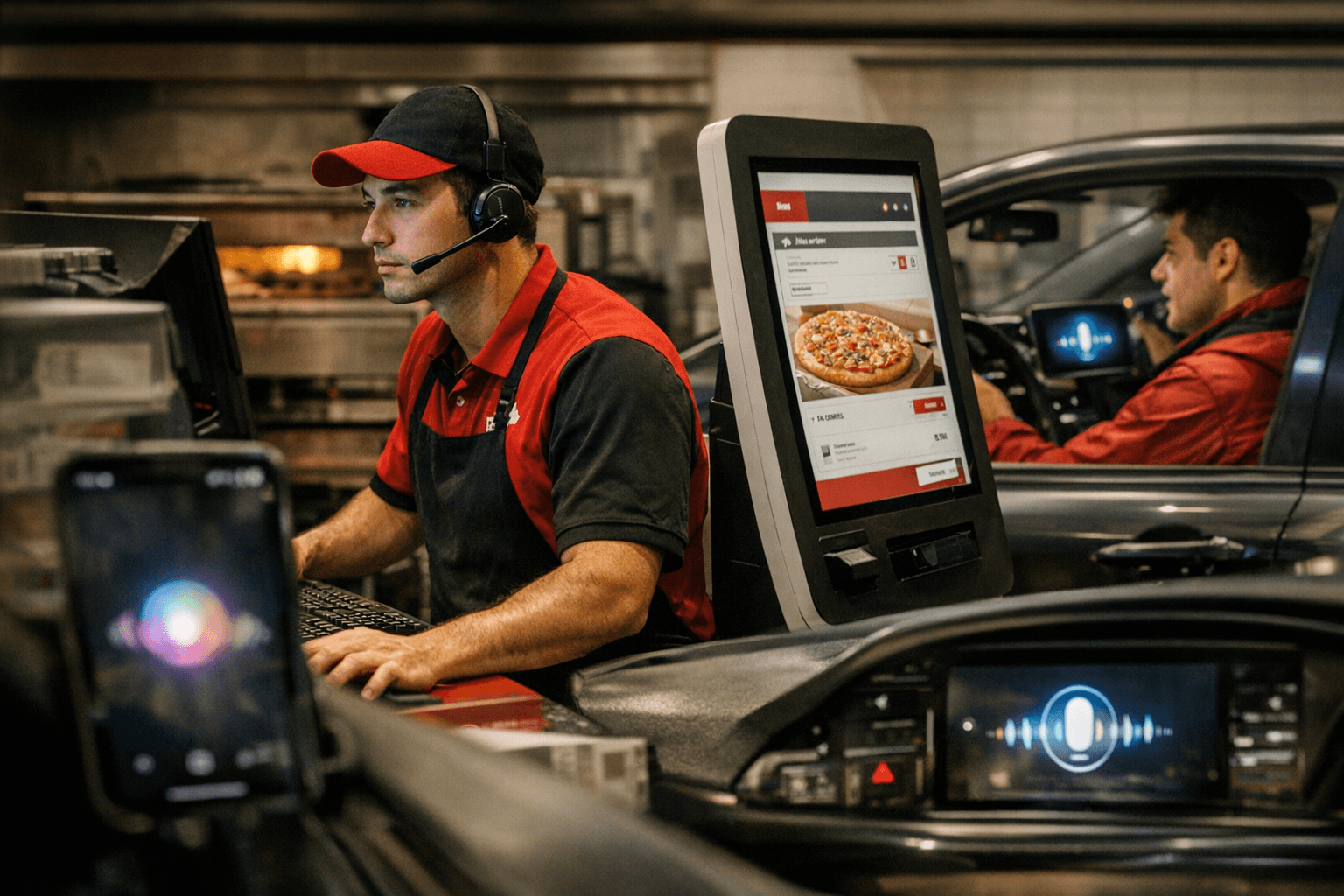
Papa Johns and Google announced that the pizza chain will be the first major restaurant operator to roll out an omnichannel food-ordering agent powered by Google’s Gemini artificial intelligence. The system, deployed across mobile apps, websites, phones, kiosks and in-car platforms, is designed to handle voice and text ordering, find and apply the best coupons, and recognize loyalty customers, with plans to add smart upselling later. The rollout is expected to scale systemwide through 2026.
For many restaurants, ordering is the gateway to the customer experience, and automating that gateway carries real implications for front-of-house workflows and call-center staffing. The new agent offers conversational ordering that can manage group orders and dietary preferences, and it includes an “Intelligent Deal Wizard” to automatically identify and apply the best available offers. By streamlining digital and phone orders, the technology aims to cut friction and improve order accuracy, which could reduce the amount of staff time spent on taking and correcting orders.
That reduction in order-taking labor does not mean fewer tasks for restaurant workers; it reshapes them. Expect fewer staff needed exclusively to answer phones or stand at kiosks, and a growing need for employees who can handle exceptions when the AI stumbles, assist customers with more complex requests, and focus on order fulfillment. Back-of-house roles like assemblers, expeditors and delivery coordinators may see steadier volumes to manage as order conversion improves. Managers will need to rethink shift schedules and the mix of skills on each shift as routine order entry moves to automation.
Operators will also face technology and training demands. Integrating the agent with point-of-sale, loyalty programs and in-car systems means new workflows for identifying loyalty customers and honoring deals. Training will need to emphasize troubleshooting AI interactions, managing edge-case orders, and maintaining a customer-first experience when the human handover is required. Restaurants that plan ahead can redeploy experienced order-takers into higher-touch customer service roles or supervisory positions that ensure speed and accuracy in peak periods.
As the rollout progresses through 2026, the practical test will be how well the system reduces friction without eroding frontline jobs or customer satisfaction. For employees and managers, the near-term steps are familiar: track where time is saved, identify new exception workloads, cross-train staff, and adjust scheduling to match where labor adds the most value. The shift from human order-taker to order manager is underway, and how restaurants adapt will determine whether AI becomes an efficiency tool or a source of friction on busy shifts.
Know something we missed? Have a correction or additional information?
Submit a Tip