Paris museum opens gallery for Nazi-looted art with uncertain ownership
A new Orsay gallery put 13 Nazi-era works on view, while France still holds about 2,200 unrestituted MNR pieces whose owners remain unknown.
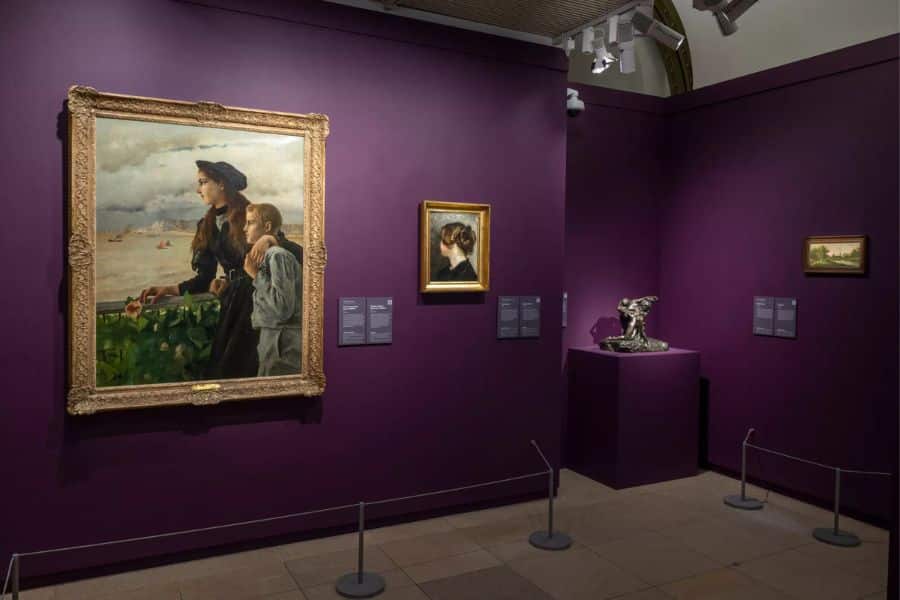
A new room at the Musée d’Orsay has turned unresolved Nazi looting into public display, hanging 13 works in rotating installations under the title “To Whom Do These Works Belong?” The gallery is the first in the museum’s history devoted entirely to MNR works, the orphaned pieces that France recovered after World War II but never conclusively returned to their owners.
The room is designed to make provenance visible. Paintings are displayed so visitors can study their backs, where stamps, labels and inventory marks trace the passage of art from private homes into Nazi hands and then into postwar custody. One featured work is an Alfred Stevens painting of two children looking out over the Normandy coast. It had been acquired in Paris in 1942 for Adolf Hitler and was later recovered by Allied Monuments Men.
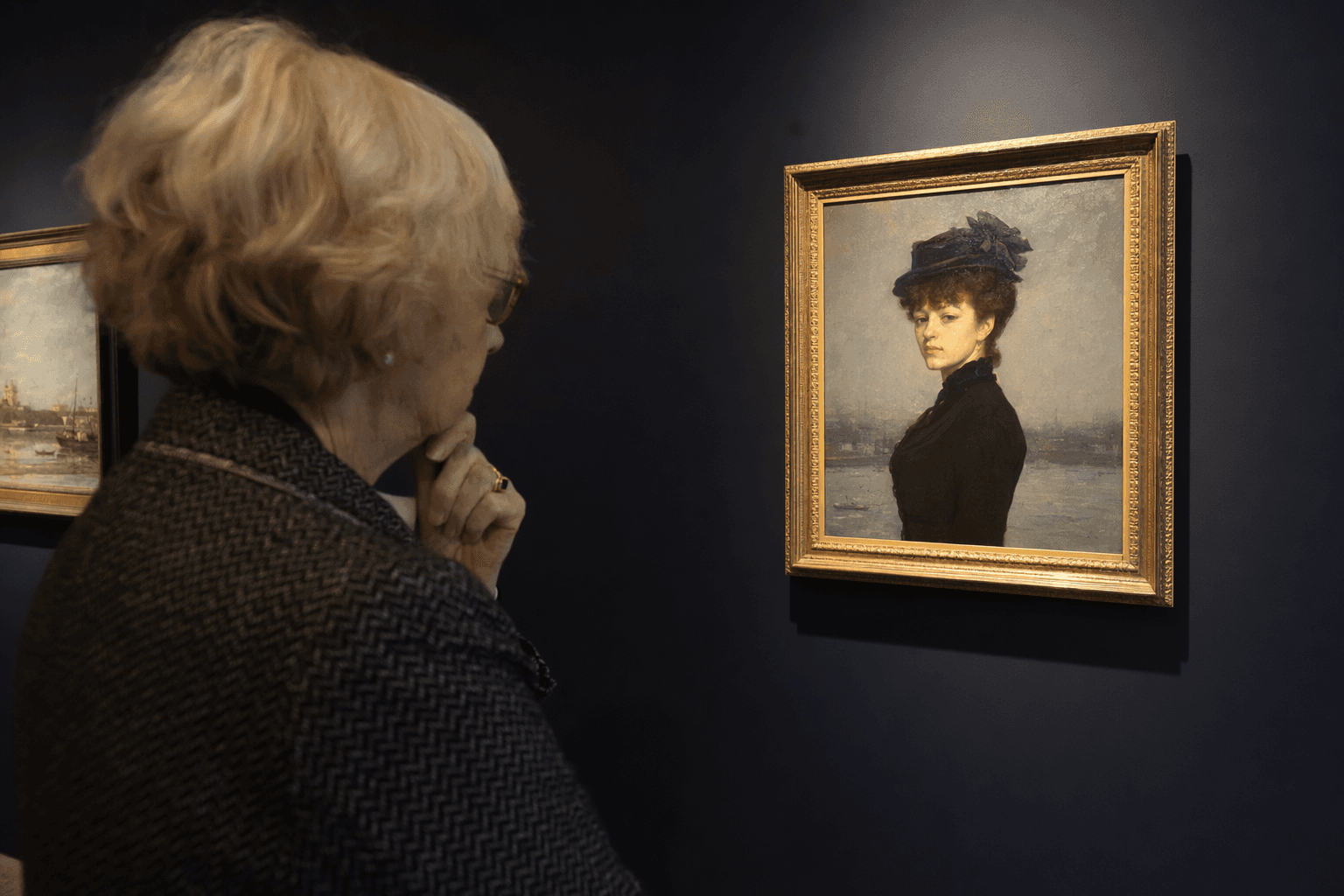
France’s Culture Ministry says about 2,200 unrestituted works are classified as Musées Nationaux Récupération, or MNR, and held in the care of national museums. The Musée d’Orsay accounts for 225 of them, and the museum has launched a new provenance effort led by Ines Rotermund-Reynard with six Franco-German researchers. That program covers the 224 MNR works in the Orsay’s collections and about 200 additional works acquired after 1933, extending the inquiry beyond the war years to the broader Nazi era and its financial shadow.
The opening also recalls the machinery France built after liberation to process stolen art. The Commission de récupération artistique was created on November 24, 1944, at the request of Jacques Jaujard, to handle restitution claims for works looted during the occupation. France ultimately returned roughly 60,000 works after the war, but a small residue remained in museum custody as MNR pieces, held in trust rather than owned outright by the state. Rose Valland, whose clandestine wartime documentation of Nazi art trafficking became essential to recovery efforts, gave her name to the ministry’s Rose-Valland database, which records each MNR work’s history and supports possible restitution.
That history gives the Orsay gallery its force. The museum is not just showing paintings; it is staging a reckoning with incomplete archives, missing heirs and the limits of what France can prove eight decades later. By placing these works in public view, the Orsay has turned a filing problem into a national question about memory, responsibility and what justice can still mean for art displaced by war.
This article was produced by Prism’s automated news system from verified source data, official records, and press releases, then run through automated quality and moderation checks before publishing. The system is built and supervised by the people who set the standards it runs under. Read our full AI policy.
Did this article answer your question?


