Pennsylvania dairy family sells herd as industry consolidates further
At Butter Ridge Farms, 140 Jersey cows, bred heifers and calves went up for dispersal as a Pennsylvania family’s dairy era ended.
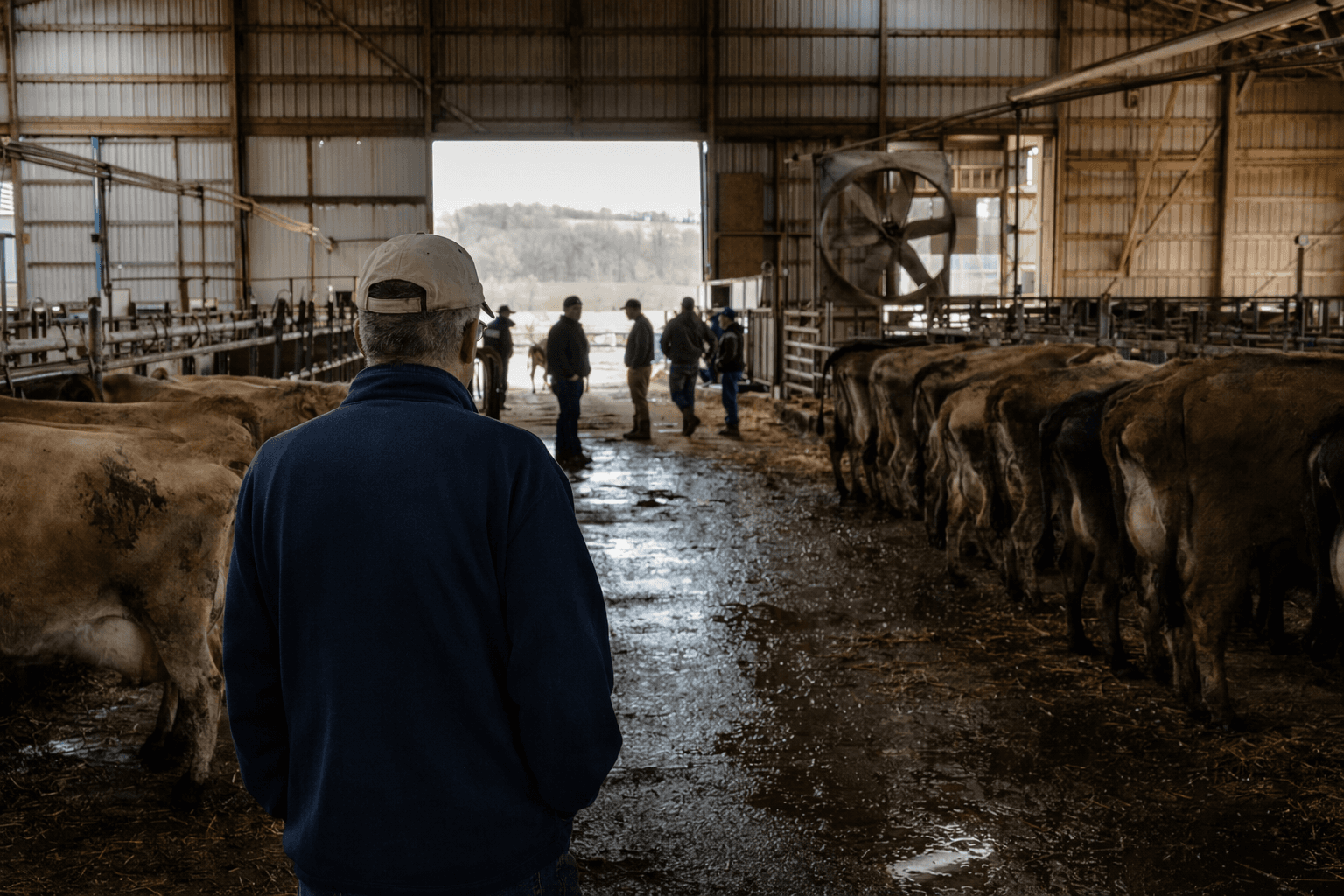
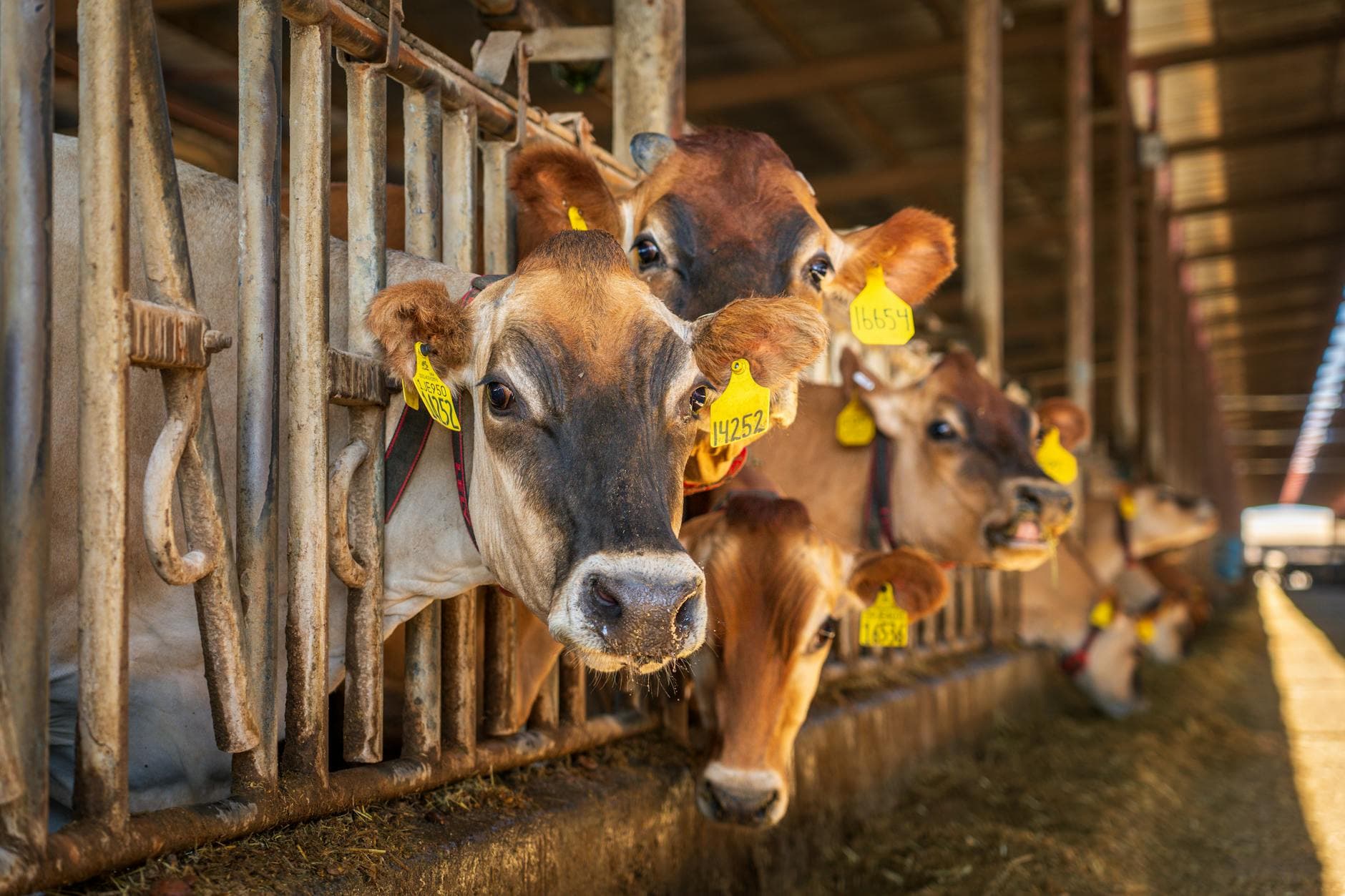
Butter Ridge Farms’ complete dispersal auction was set for April 10 at 11 a.m. at 1737 Laurel Lake Road in Columbia Crossroads, Pennsylvania, where Fraley Auction Co. planned to sell the Jersey herd of Brad and Chrissy Watson. The catalog described a complete Jersey herd dispersal with about 140 Jersey cows, along with bred heifers and calves, turning one family’s long dairy operation into a public sale.
The Watsons had farmed dairy cattle for generations, but the sale showed how quickly that inheritance can unravel in an industry that keeps getting larger even as the number of farms keeps shrinking. Pennsylvania still has about 4,850 dairy farms and roughly 465,000 milk cows, according to USDA-linked state statistics, but the average herd size is only 96 cows. That leaves many operators too small to absorb rising costs, yet too tied to barns, land and livestock to exit cleanly. The state’s 2022 Census of Agriculture, released in February 2024, remains the latest census baseline for the farm structure behind those numbers.
The Butter Ridge dispersal also captured the economic value embedded in a small herd. The catalog listed animals by name and breeding status, with fresh cows, bred cows and open cows separated lot by lot. That kind of detail matters because a dairy herd is not just inventory; it is years of genetics, culling decisions and breeding work. Selling it all at once closes out the future milk checks that would have come from those animals and converts decades of investment into a single auction date.
The sale came amid a dairy market that remains highly volatile. USDA and Economic Research Service materials track dairy conditions annually, and current market reports show retail demand holding steady in some regions even as food-service demand lags and prices, feed costs and other inputs keep shifting. In that setting, a family farm can be squeezed from both sides: milk prices can fail to keep pace with expenses, while the capital required to maintain barns, equipment and labor only rises.
Brad Watson, 41, was still tending the barn in early spring, even as the end approached. One of the cows, Meg, died overnight after flipping her stall and strangling in her chain, a stark reminder of how fragile the work can be even before the final sale. More than 90 other cows still needed to be milked, but the auction was already set. Butter Ridge’s collapse now stands as one more sign of a larger national shift, as small dairy farms disappear and production consolidates into fewer, larger operations.
This article was produced by Prism’s automated news system from verified source data, official records, and press releases, then run through automated quality and moderation checks before publishing. The system is built and supervised by the people who set the standards it runs under. Read our full AI policy.
Did this article answer your question?