Polls predict heavy Labour losses as Reform gains in key local elections
Labour faced losses of up to 2,000 council seats as Reform surged in the West Midlands, sharpening doubts over Keir Starmer’s grip on power.
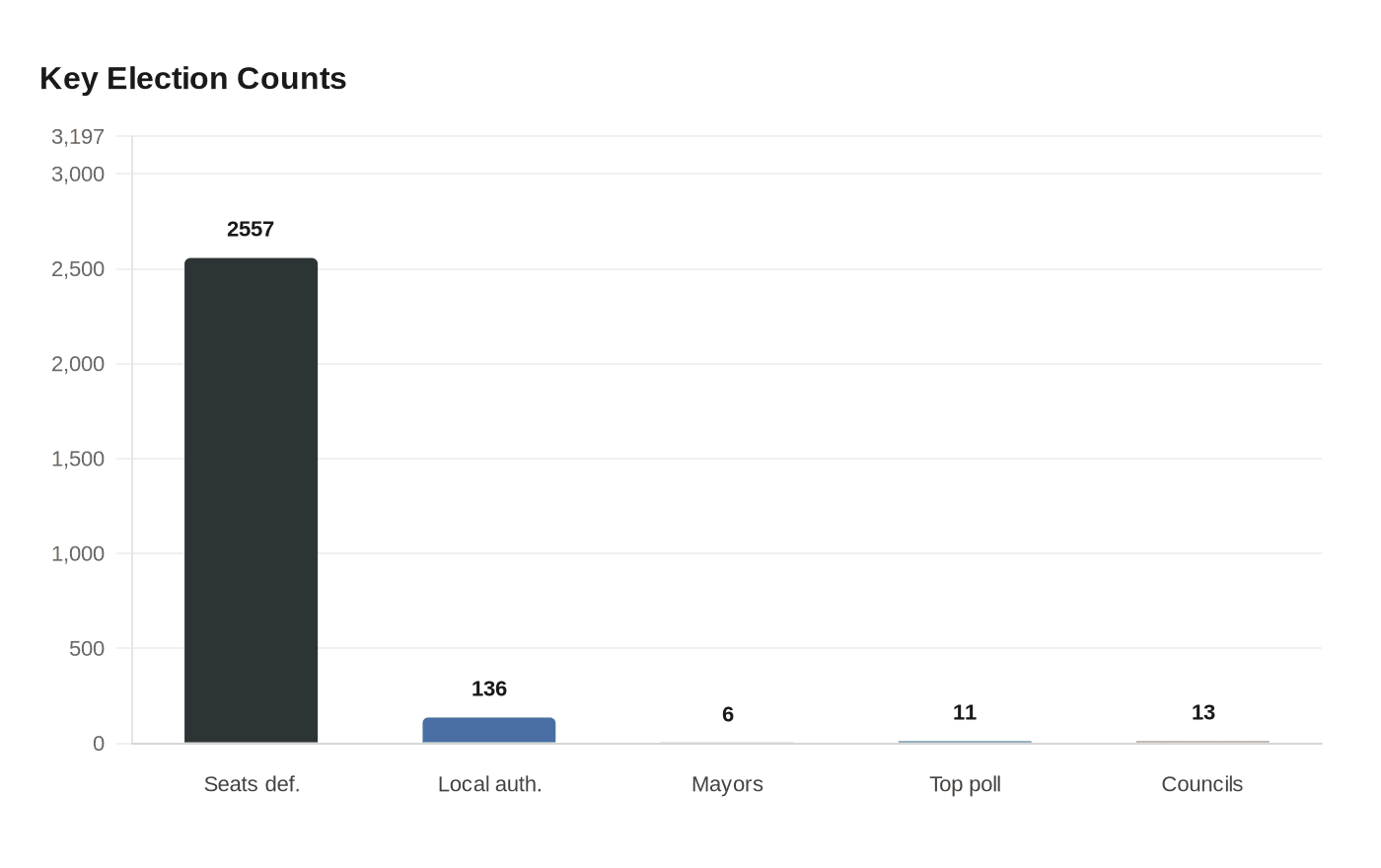
Voters went to the polls on Thursday across about 5,000 to 5,066 English council seats in 136 local authorities, plus six directly elected English mayors, and the contest was treated as something far bigger than a routine local election. With devolved ballots also under way in Scotland and Wales, the results were read as an early verdict on Keir Starmer’s government and a sign that Britain’s two-party system was fracturing under pressure from Reform UK, the Greens and local protest candidates.
For Labour, the arithmetic was grim. The party was defending 2,557 council seats after a strong showing in May 2022, when it won more than 1,150 seats and took Westminster, Wandsworth and Barnet from the Conservatives. Current projections pointed to losses of roughly 1,200 to 2,000 seats, and some analysis suggested Labour could lose more than half its seats in London, or 600 or more. That would be a sharp break from the party’s 2022 baseline and a brutal signal less than two years after Starmer’s landslide general election win in July 2024.

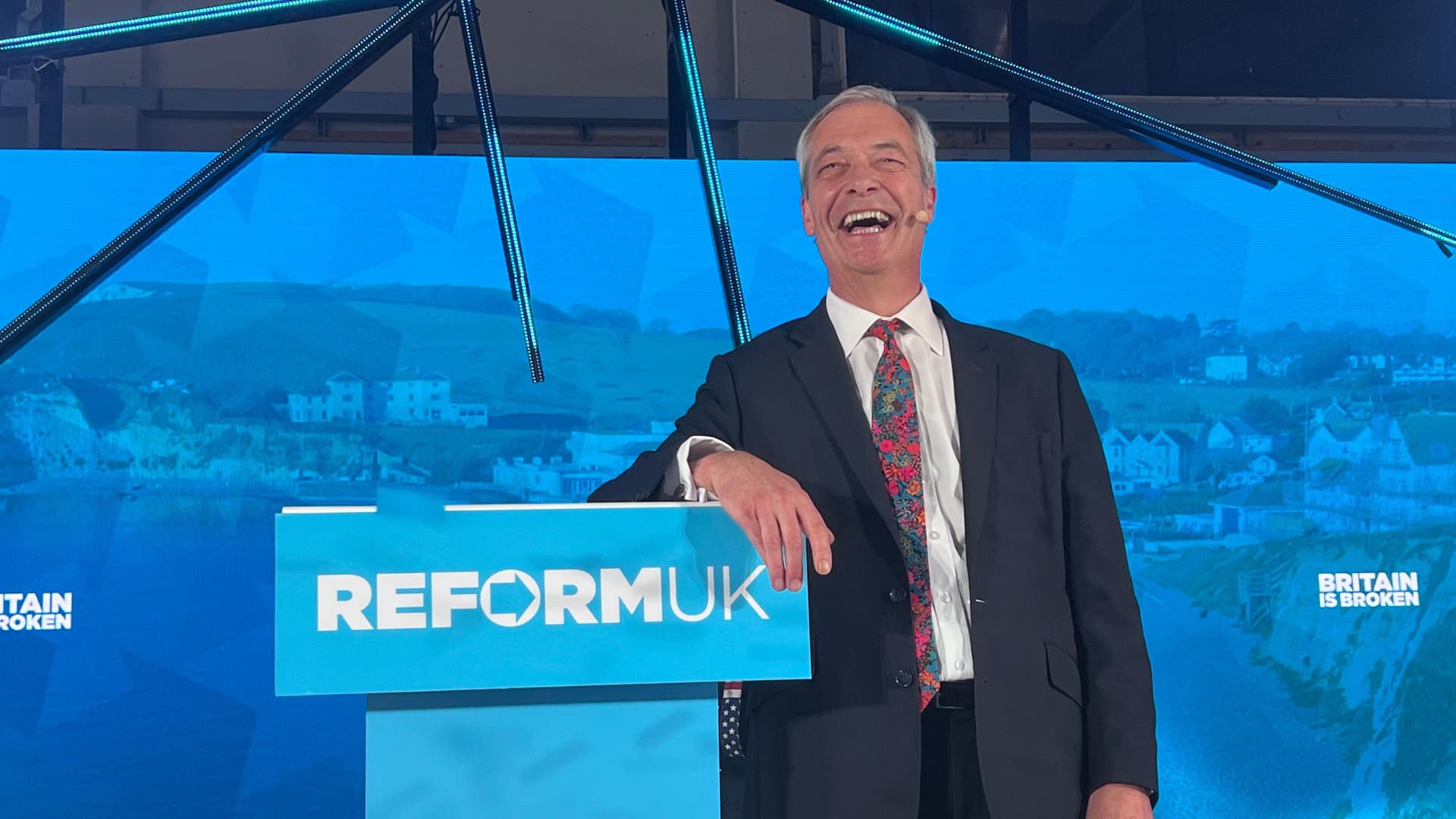
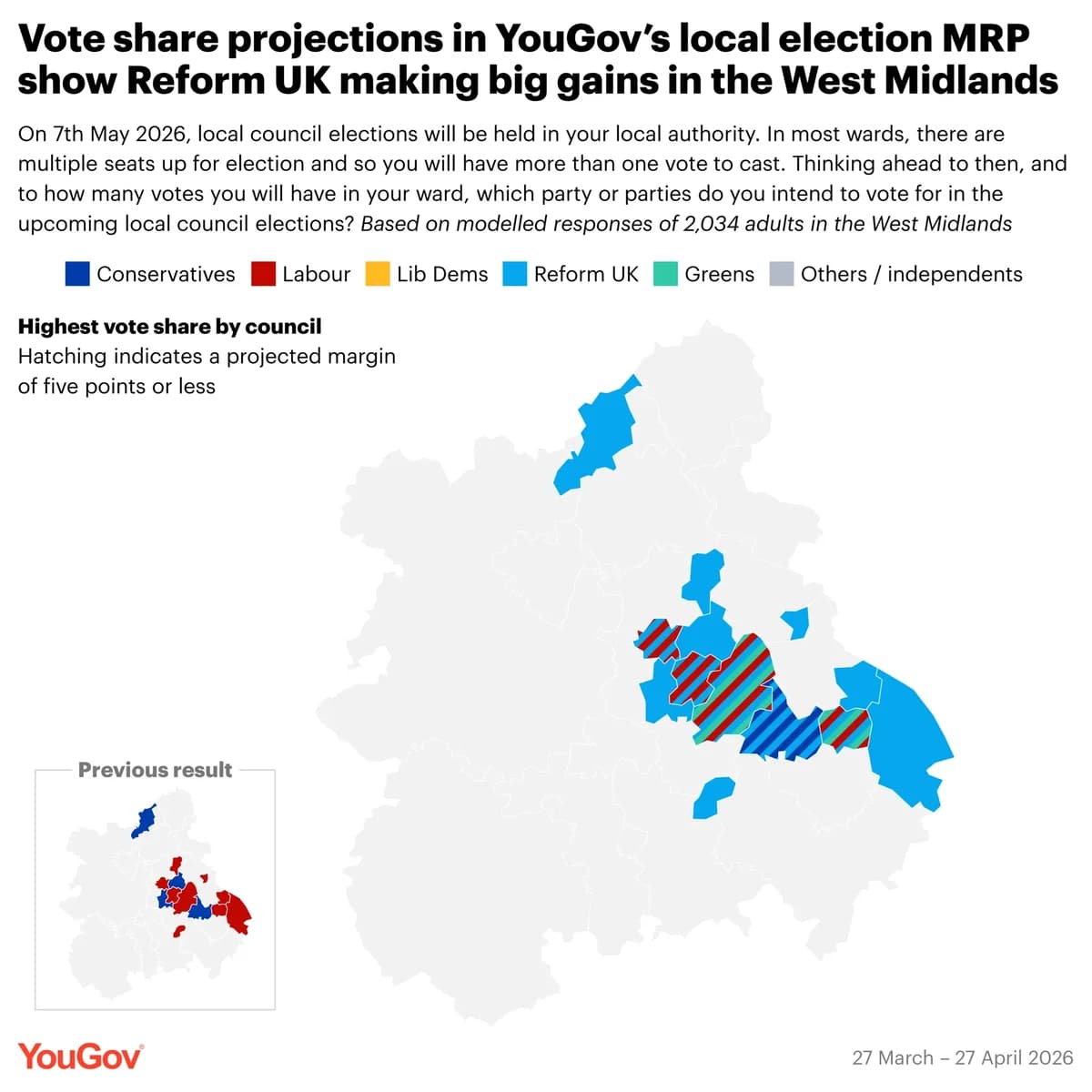
The most striking challenge came from Reform UK, which has turned immigration anger and voter dissatisfaction into a direct threat to Labour and the Conservatives alike. YouGov’s West Midlands model said Reform was in contention to win the highest vote share in every council it modeled in the region and could top the poll in 11 of 13 councils, including Dudley, Walsall, Tamworth and Nuneaton. The model was based on data from more than 2,000 adults in relevant West Midlands council areas, underscoring how quickly Nigel Farage’s party has moved from protest force to electoral contender.
That shift has widened the political map beyond the old blue-red contest. The Green Party has been making inroads in inner-city London and university towns, the Liberal Democrats could gain in parts of their local strongholds, and some east London seats faced pressure from pro-Gaza independent candidates. Several councils were also expected to defer elections to 2027 because of local government reorganisation, creating an uneven map that may magnify Labour’s exposure in places where entire councils were being contested.
The national stakes were hard to miss. Eluned Morgan, Labour’s leader in Wales, said Starmer’s leadership was “an issue on the doorstep,” while Lord Robert Hayward said the prime minister was on course for heavy losses in England and damaging results in Wales and Scotland. With the next general election not due until 2029, the local vote was set to shape the story of Starmer’s authority, Rachel Reeves’s standing and whether Labour could hold together its 2024 coalition before Reform UK and its rivals rewrote the terms of British politics.
Know something we missed? Have a correction or additional information?
Submit a Tip