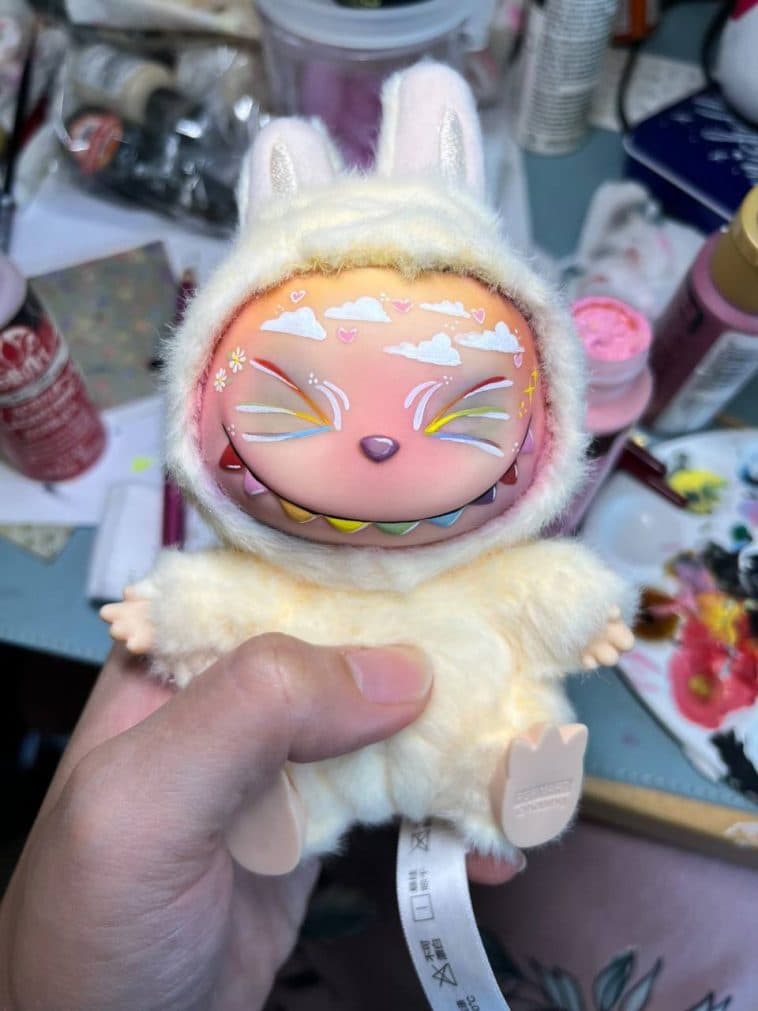
Pop Mart Commences 10% Share Repurchase Program Amid Labubu Craze
Pop Mart began repurchasing up to 10% of its shares, a move that could tighten float and affect stock and collector markets amid Labubu demand.
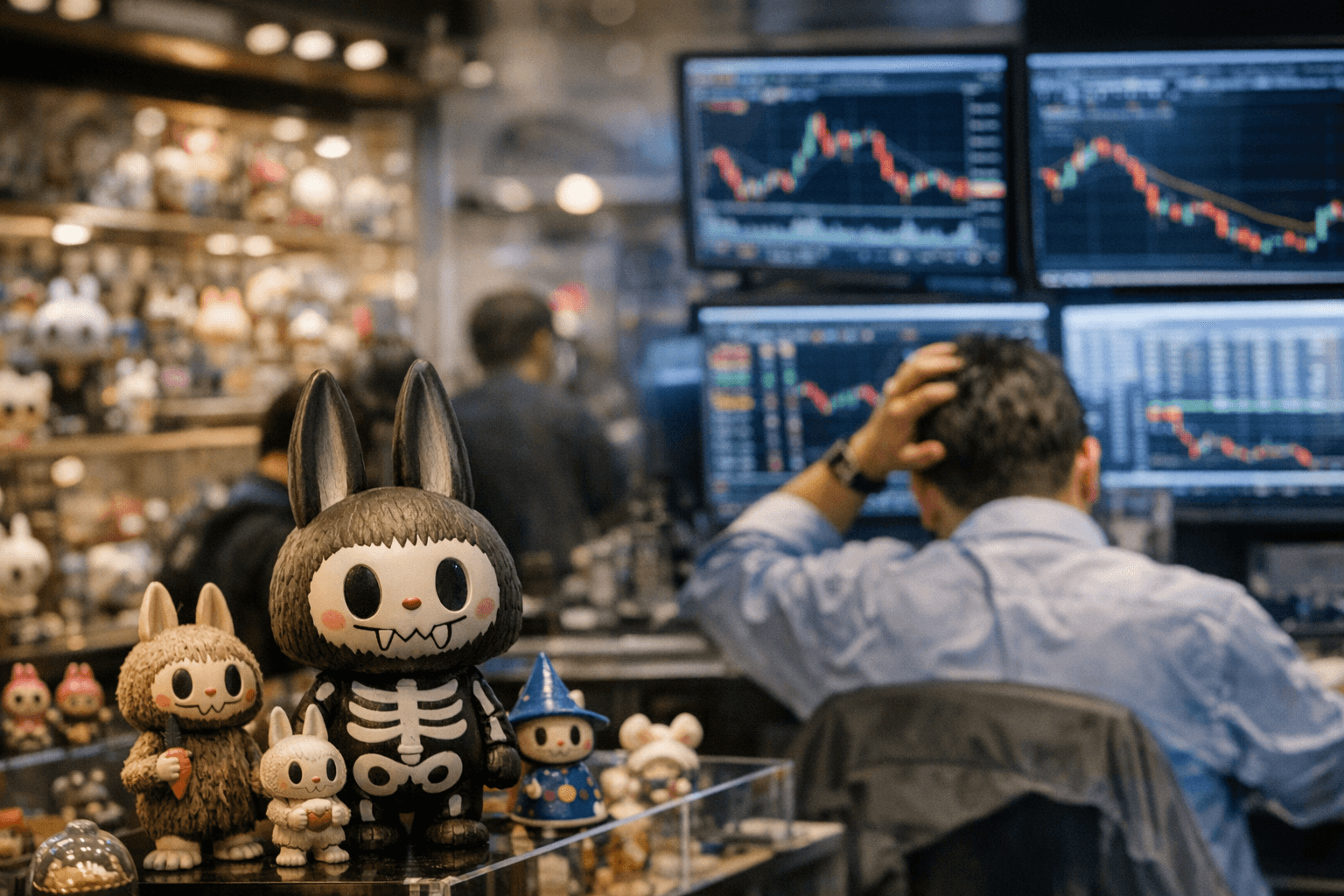
Pop Mart International Group Limited has started a share buyback, beginning repurchases on January 19, 2026 under a shareholder-authorised mandate approved May 27, 2025. The mandate allows the company to repurchase up to 134,294,315 shares, equal to 10% of its issued share capital, using legally available resources. The authority will expire at the earlier of the next annual general meeting or if shareholders vote to revoke it.
The move comes as Labubu remains a major sales and cultural driver for the company. For collectors who track drops, chase variants, and blind-box resale prices, a corporate-level buyback does not alter the physical rarity of Labubu figures but can influence investor sentiment and stock liquidity. Pop Mart trades on the Hong Kong Stock Exchange under SEHK:9992; by reducing the number of free-floating shares, repurchases can support the market price and sharpen earnings per share metrics if shares are cancelled or held in treasury.
Specific elements of the mandate matter to community watchers. The buyback must be funded from legally available resources, which means Pop Mart will use cash on hand or other permitted corporate funds rather than issuing debt beyond regulatory allowances. The required shareholder authorisation limits the total envelope of the program, and the time boundary tied to the next annual general meeting places a practical deadline on repurchase activity.
For Labubu collectors and small investors, practical implications are mixed. Resale markets for limited variants and chase pieces remain driven by supply from product runs and aftermarket demand; a share repurchase cannot manufacture new vinyl. However, investors who hold both collectibles and stock could see portfolio effects if the buyback supports or boosts the company’s share price. Higher net asset value and improved earnings per share are the corporate effects cited as linked to the buyback, and those metrics are closely watched by analysts and retail investors who follow Pop Mart’s releases and drop calendars.
What to watch next: track official Pop Mart announcements for the pace and scale of actual repurchases, monitor trading volumes for signs of reduced float, and keep an eye on Labubu release schedules that continue to feed collector interest. For collectors focused on Labubu chases, this is a reminder that corporate moves and community demand run on separate rails but can converge in market effects. The buyback signals management confidence in Pop Mart’s position; the next signals will be the company’s repurchase cadence and any shifts in product output that affect the secondary market.
Know something we missed? Have a correction or additional information?
Submit a Tip