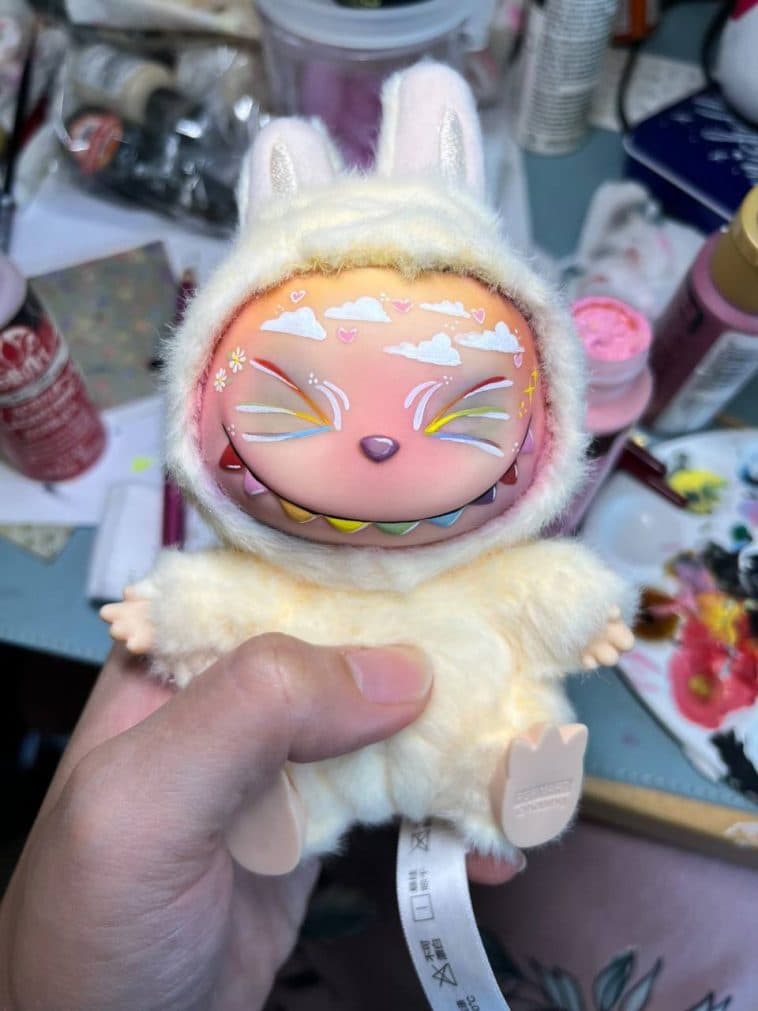
Pop Mart ramps up anti-counterfeit campaign to protect Labubu
Pop Mart and Labubu rights holders are using filings, seizures and legal action to limit knockoffs. Collectors and sellers must verify authenticity and favor official channels.
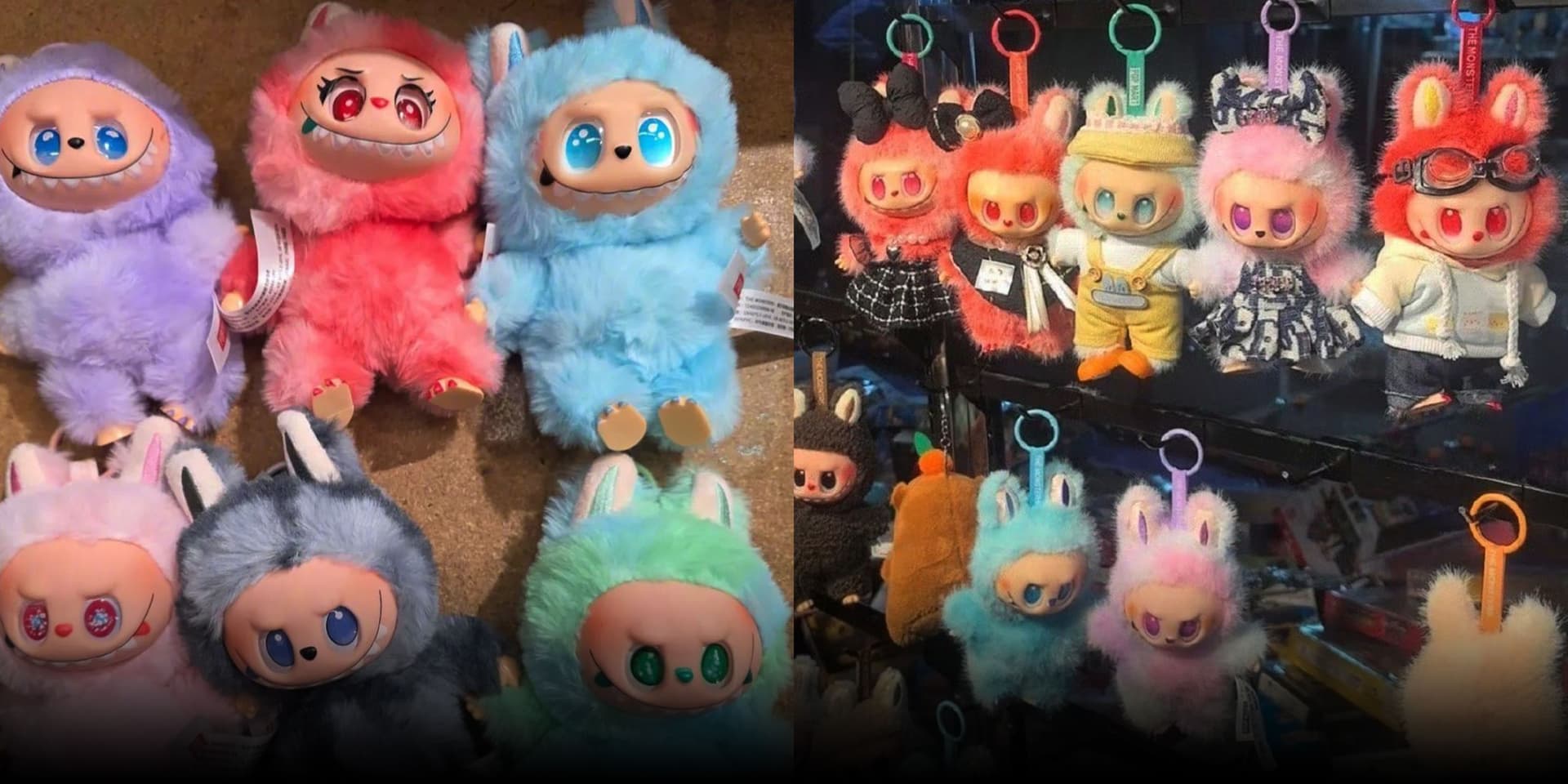
Pop Mart and the rights holders behind Labubu have launched a multi-pronged campaign to choke off look‑alike products that have flooded secondary markets and some local stalls. The effort blends defensive trademark filings, administrative takedowns, civil litigation and coordinated customs seizures, all aimed at protecting brand control and consumer safety in the blind‑box and designer toy communities.
At the front line, companies are filing trademarks not only for core marks but also for slang names and tags that third parties have used to market copies. Those defensive filings are designed to prevent trademark squatting and to reduce marketplace confusion when knockoffs adopt similar names or terms that collectors recognize. For sellers and resellers, this can mean previously ambiguous listings become targets for enforcement or forced relisting under different terminology.
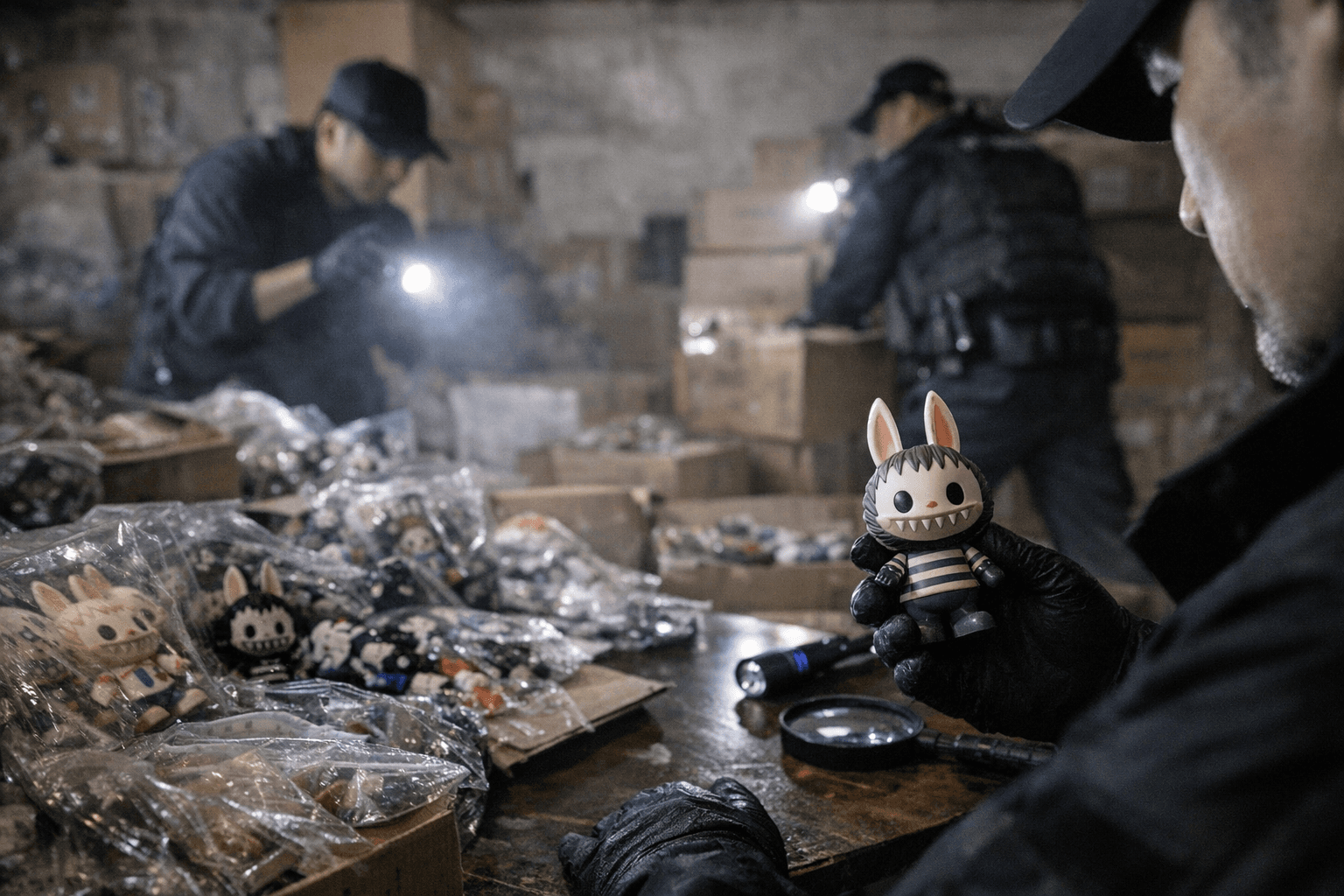
Customs enforcement has become a major channel for removing bulk shipments of unauthorised Labubu‑style toys from the trade pipeline. Port authorities have reported multiple large seizures of imitation products, and those interdictions remove the economies of scale that make cheap bootlegs profitable. For local market organisers and fair operators, customs activity reduces the number of counterfeit cartons arriving at wholesale hubs, but it also shifts illicit supply chains to smaller, harder-to-track shipments.
On the legal front, civil claims are being filed against retailers and resellers in several jurisdictions. Those suits commonly allege trademark infringement, copyright violations and trade‑dress copying, and they seek injunctions and damages. For small sellers, a single notice or suit can force inventory withdrawals, marketplace delistings and, in some cases, financial exposure.
Practical steps for collectors, convention vendors and resale shops are straightforward. Buy from official Pop Mart channels or authorised resellers whenever possible. Inspect authenticity markers: company holograms and QR verification codes, packaging details that match known releases, and NFC or other verification systems where they are used. Be wary of unusually low prices, listings without clear provenance, and sellers who refuse to show packaging or proof of purchase. Watch for Pop Mart verification tools and published authenticity advice, and consult official IP registries, customs press offices or court dockets for document-level confirmation if a high-value piece is at stake.
This push against counterfeits is ongoing and will reshape how Labubu circulates in both primary and secondary markets. Expect sharper enforcement, more aggressive marketplace takedowns and an emphasis on technology-based verification. For collectors and sellers, the takeaway is simple: verify provenance, prioritize official channels, and treat unusually cheap Labubu finds as a red flag rather than a bargain.
Know something we missed? Have a correction or additional information?
Submit a Tip