Pope Leo XIV finds a firmer voice on Africa tour, decries exploitation
Africa gave Pope Leo XIV his clearest stage yet, as he linked colonial memory, poverty and peace to a sharper message about exploitation.
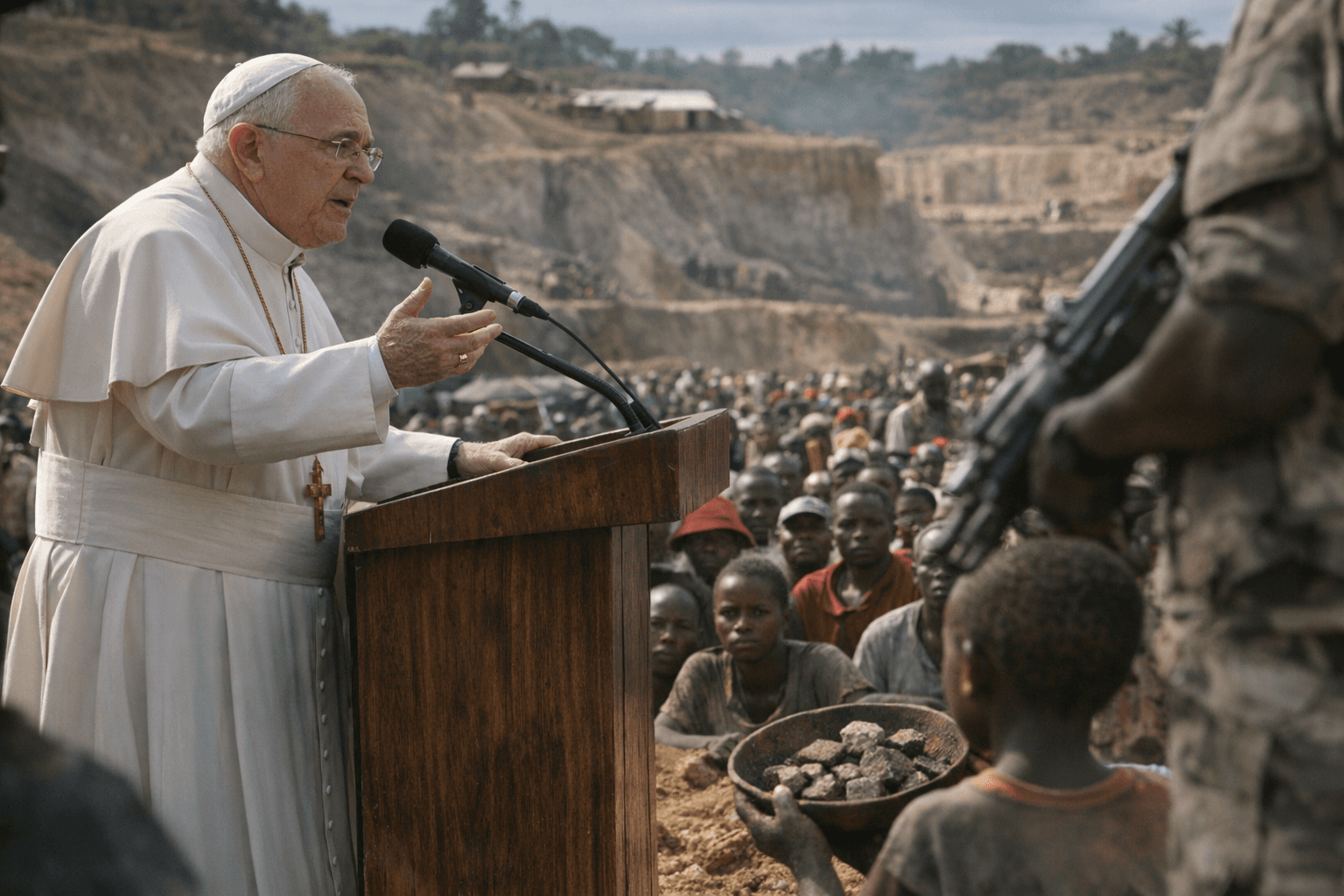
Pope Leo XIV’s Africa tour has not just amplified his voice. It has made long-standing African Catholic concerns impossible to ignore.
Over 11 days, the pope is moving through Algeria, Cameroon, Angola and Equatorial Guinea in what the Vatican says is his longest apostolic journey so far and his third outside Italy since becoming pope. The trip, which began April 13 and is scheduled to end April 23, has included public addresses in English, French, Portuguese and Spanish, a multilingual itinerary that underscores how central African churches have become to the global Catholic map.
In Algeria, Leo opened the journey with gestures heavy on symbolism. He visited the Great Mosque of Algiers and then celebrated Mass on April 14 at the Basilica of Saint Augustine in Annaba, a site the Vatican said was personally meaningful because of St. Augustine’s legacy and his role as a bridge in interreligious dialogue. That framing placed faith, memory and coexistence at the center of the visit before the pope had even reached the continent’s larger Catholic heartlands.
The sharper political edge came in Angola. At the presidential palace in Luanda, Leo met authorities, civil society figures and diplomats, telling leaders he had come as a pilgrim seeking the signs of God’s passage in Angola. He then denounced what Reuters described as exploitation by the world’s “authoritarians” and by the rich, pushing a message that landed in a country where wealth and hardship have long coexisted uneasily.
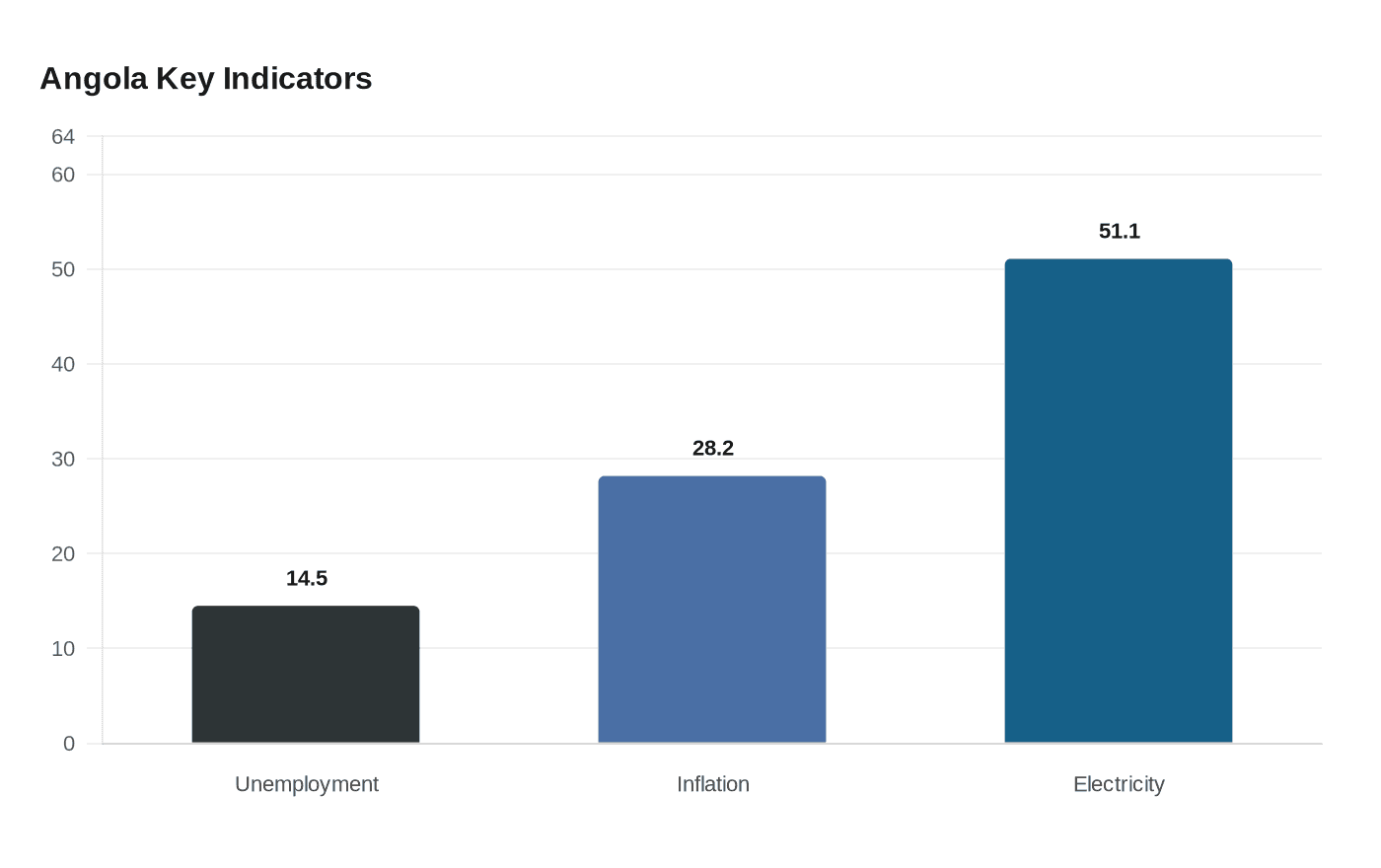
Angola’s numbers explain why. The World Bank lists a population of 37,885,849 in 2024, GDP per capita of $2,665.9, unemployment at 14.5%, inflation at 28.2% and electricity access at just 51.1% in 2023. More than half of Angolans identify as Catholic, giving the church unusual reach in a country still shaped by the legacy of nearly four decades under José Eduardo dos Santos and the aftermath of a 27-year civil war. Leo’s planned visit to an Angolan chapel linked to the slave trade has also carried symbolic weight for Africans confronting the church’s own colonial entanglements.
That is why the trip has read less like a change in personality than a shift in visibility. Leo’s themes, peace, justice, migration, the environment, young people and the family, were already in the Vatican’s program. What Africa appears to be doing is forcing the world to hear them in a more concrete register, especially in places where bishops have described the visit as a source of hope and where Catholic communities have spent decades pressing Rome to take poverty, conflict and exploitation seriously.
For the global church, the tour suggests that Africa is not waiting for permission to set the agenda. It is already doing so.
This article was produced by Prism’s automated news system from verified source data, official records, and press releases, then run through automated quality and moderation checks before publishing. The system is built and supervised by the people who set the standards it runs under. Read our full AI policy.
Did this article answer your question?