Powell's Fed legacy, pandemic response, inflation surge and Trump pressure
Powell left the Fed after steering it from pandemic panic to 9.1% inflation and a punishing rate fight that still shapes household budgets.

Jerome Powell left the Federal Reserve on Friday with a legacy measured less by speeches than by the strain he helped put on American households and the shock he helped avert. He spent his years at the central bank managing a stark tradeoff: protect jobs and markets during the pandemic, then tighten policy hard enough to bring down the fastest inflation in four decades without triggering a deeper labor-market collapse.
Powell’s second four-year term as Fed chair ended on May 15, 2026. He first took office on February 5, 2018, and was reappointed on May 23, 2022, in a rare bipartisan arc that saw him nominated by Donald Trump and renominated by Joe Biden. His successor, Kevin Warsh, was confirmed by the Senate on May 13 in a 54-45 vote and was expected to take over immediately. Powell has said he plans to remain on the Federal Reserve Board of Governors for a period, with his 14-year term running until 2028.
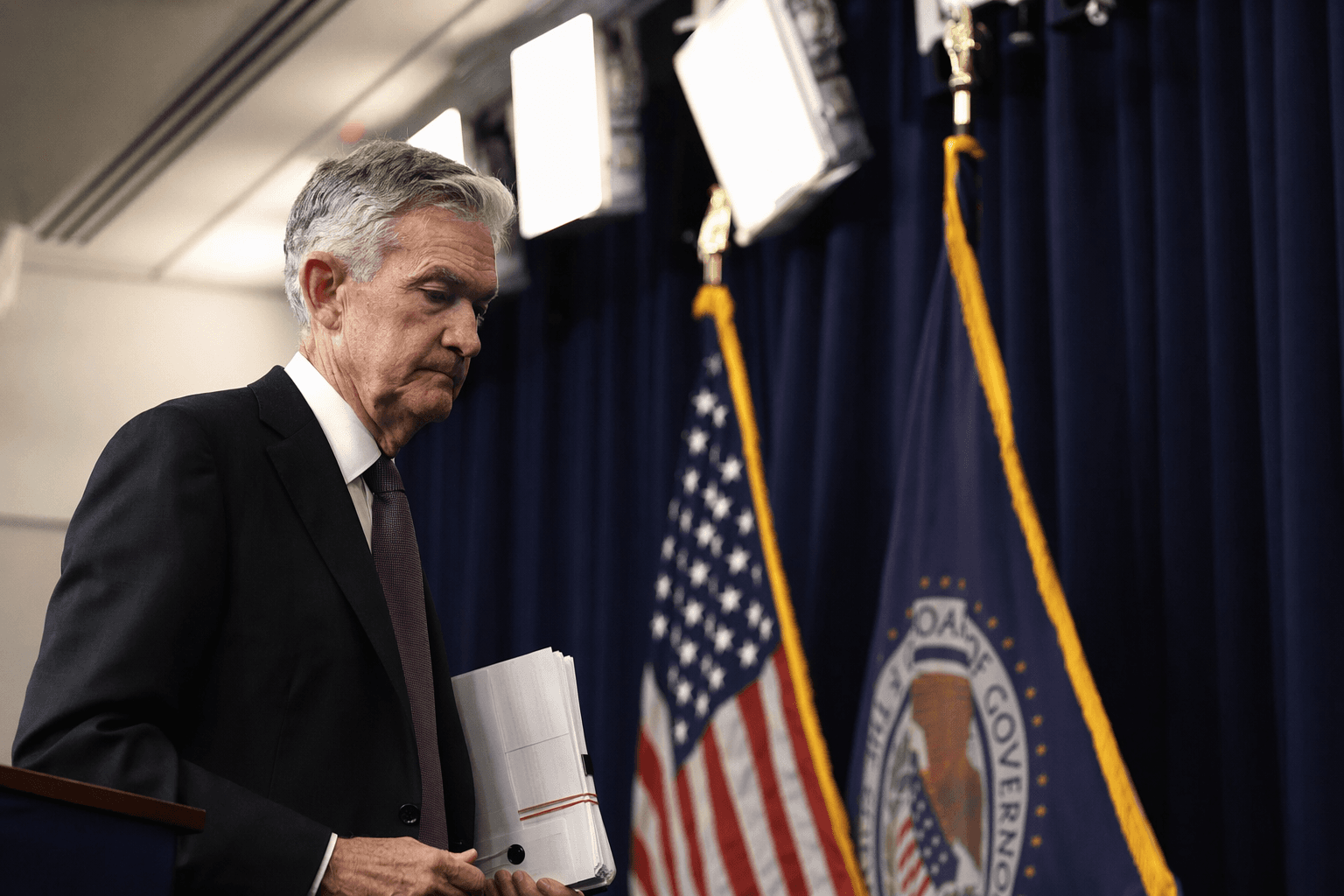
The defining test of Powell’s tenure came with COVID-19. The Fed cut rates to near zero and expanded its balance sheet sharply as it raced to stabilize markets and support the economy. The central bank’s own reporting showed the balance sheet at about $8.9 trillion by March 30, 2022, up from roughly $4 trillion in 2019. Those moves helped keep credit flowing and prevented a financial seizure, but they also set the stage for a later scramble as prices accelerated.
Inflation peaked at 9.1% in June 2022, according to the Bureau of Labor Statistics, the largest 12-month increase in the Consumer Price Index since November 1981. For families, that meant higher grocery bills, steeper rents and a growing squeeze from borrowing costs as the Fed reversed course. Analysts say Powell will be remembered both for helping steady the economy in the darkest months of the pandemic and for underestimating how long inflation would persist.
Powell’s other lasting mark was institutional. He repeatedly resisted Trump’s demands for lower rates and argued that monetary policy should be guided by objective analysis, not politics. That stance made Fed independence one of the central themes of his chairmanship, and it also widened the scrutiny around his every move. Recent reporting has said Powell worked Congress as a counterweight to outside efforts aimed at weakening the Fed’s authority.
His final stretch was clouded by another headache: the Justice Department’s criminal investigation into cost overruns tied to the Fed’s headquarters renovation. The department dropped that probe in April 2026, and the Fed’s inspector general said it would continue its own review. By the time Powell exited the chair, the central bank had cooled inflation from its peak, but not without leaving households with a more rate-sensitive economy, still-high housing costs and debt burdens that continue to press on budgets.
This article was produced by Prism’s automated news system from verified source data, official records, and press releases, then run through automated quality and moderation checks before publishing. The system is built and supervised by the people who set the standards it runs under. Read our full AI policy.
Did this article answer your question?

%3Amax_bytes(150000)%3Astrip_icc()%2FCertificate-of-deposit-2301f2164ceb4e91b100cb92aa6f868a.jpg&w=1920&q=75)
