Trump takes top C.E.O.s to Beijing to press China trade deals
Nearly 30 U.S. C.E.O.s joined Trump in Beijing as he pressed Xi on trade and North Korea and touted more than $250 billion in announced deals.
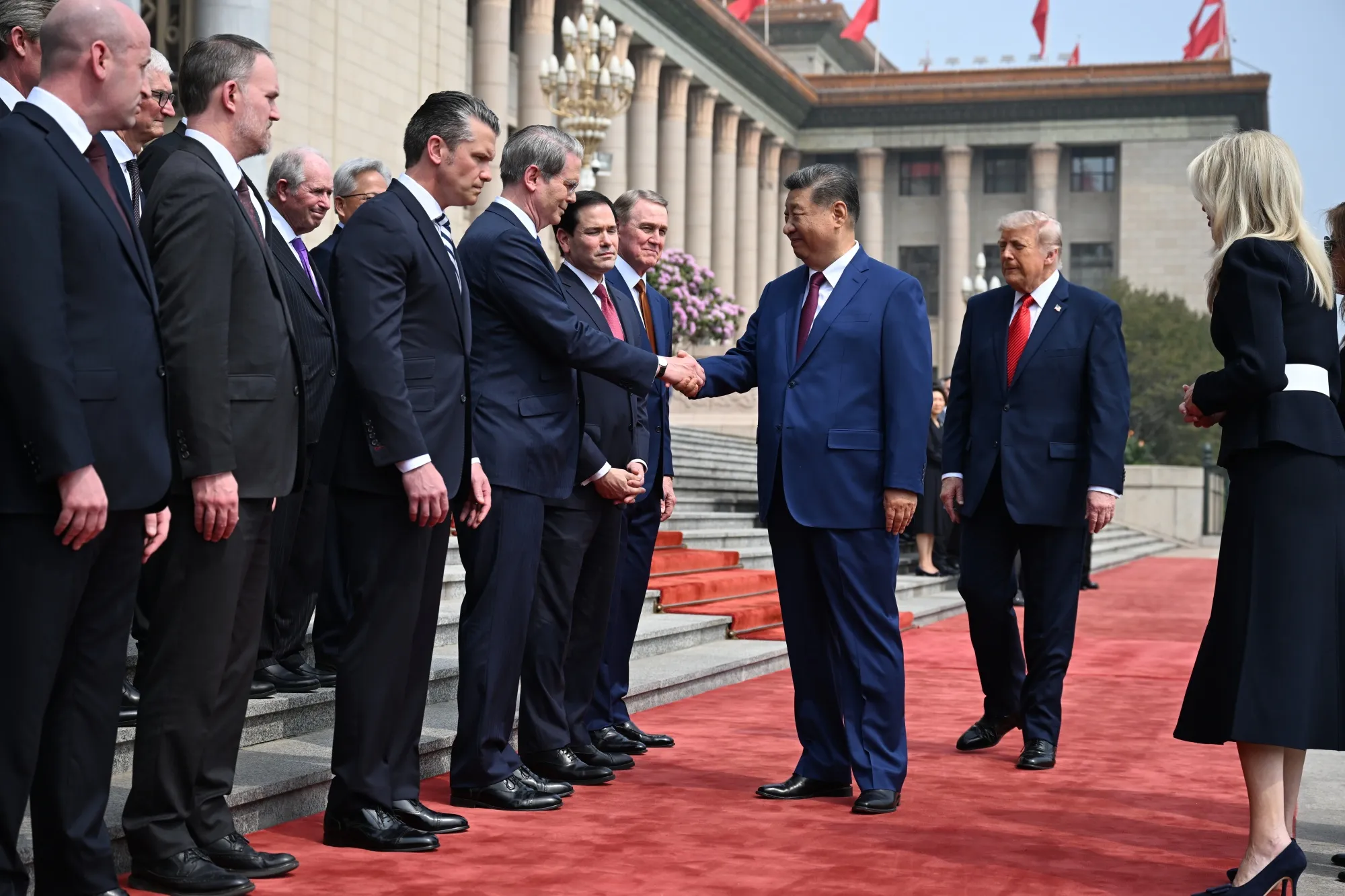
Powerful American C.E.O.s did not just watch Donald Trump’s Beijing summit with Xi Jinping from the sidelines. They were part of the message, carried into China as the White House tried to turn business heft into leverage on trade, technology and diplomacy.
Trump told business leaders in Beijing that his administration wanted a trade relationship that was “fair and reciprocal,” arguing that the U.S. trade deficit with China was “hundreds of billions of dollars each year,” with some estimates reaching $500 billion. He also said forced technology transfer and intellectual property theft were costing the United States and its companies at least $300 billion annually, a criticism that underscored how tightly commerce and national power had become linked.
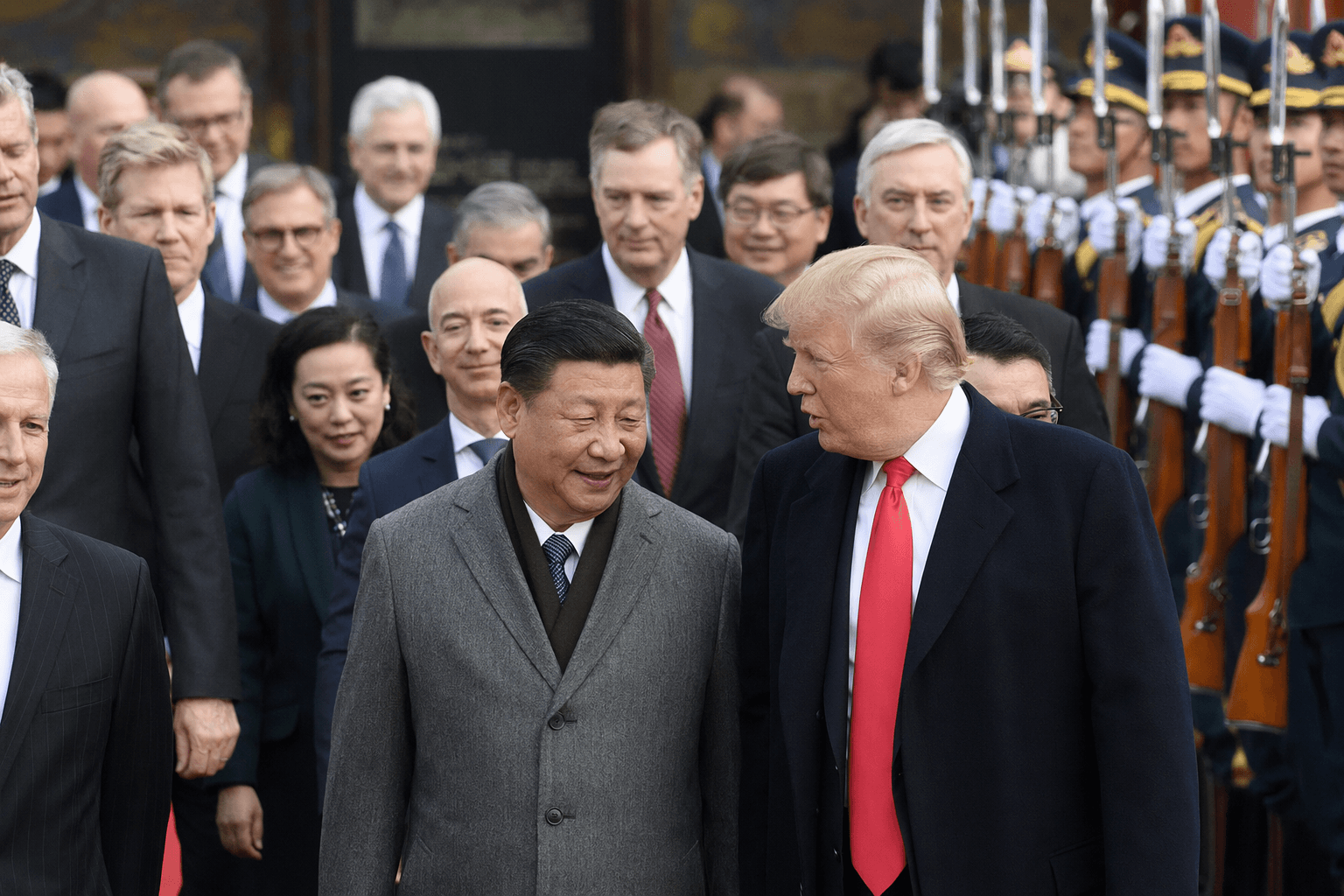
The delegation gave that argument a corporate face. CNBC reported that nearly 30 C.E.O.s traveled with Trump, including Goldman Sachs’s Lloyd Blankfein, Qualcomm’s Steve Mollenkopf, Cheniere Energy’s Jack Fusco and Air Products’ Seifollah Ghasemi, along with division heads from Boeing and General Electric. Their presence suggested that the administration was not simply pursuing symbolism in Beijing, but seeking concrete wins for companies with deep exposure to China and an interest in shaping the terms of future access.
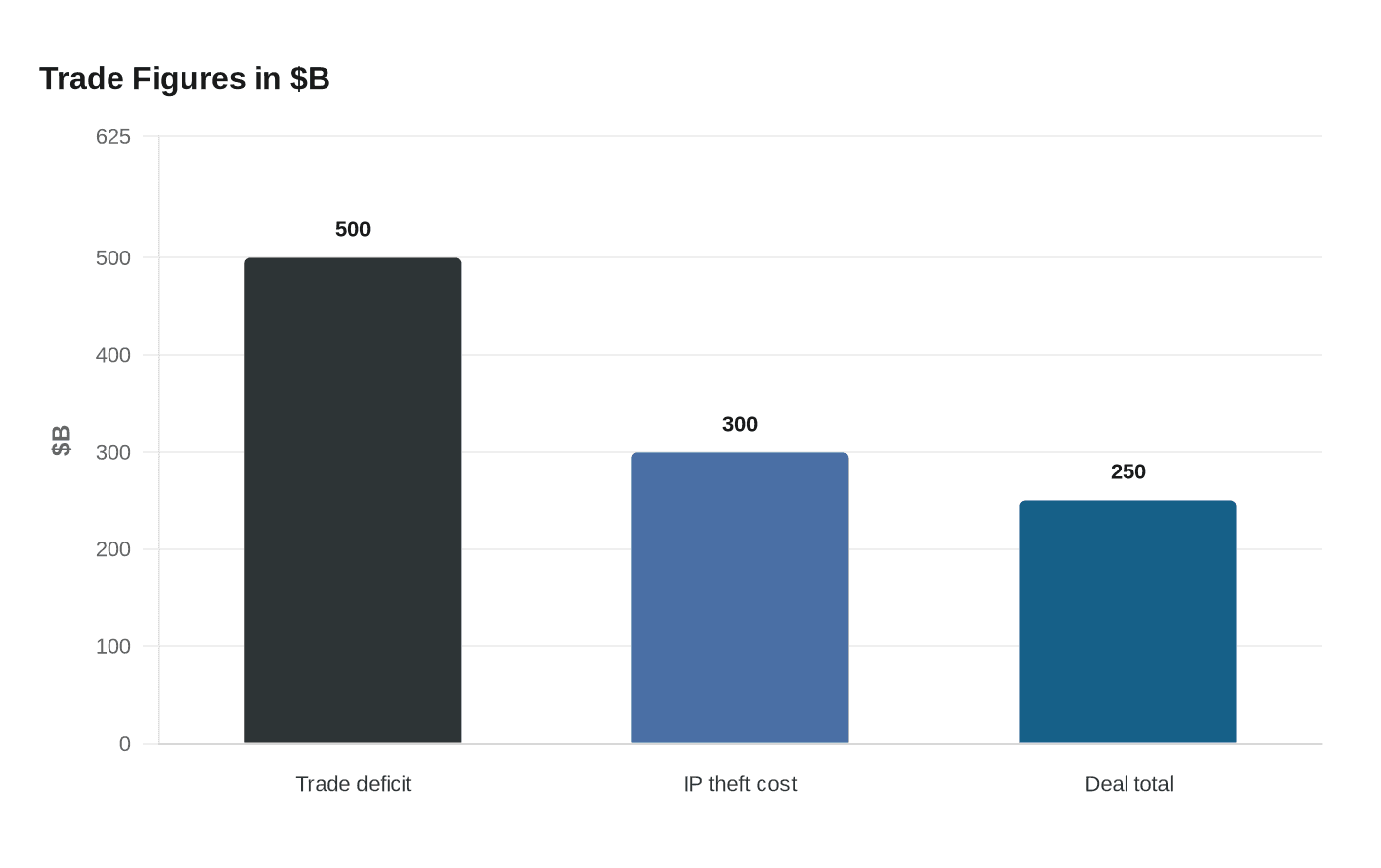
The White House said the visit, which ran from November 8 to 10, 2017, was designed to advance U.S.-China relations across trade, North Korea and broader economic cooperation. It also pointed to a Comprehensive Dialogue established earlier in 2017, built around four pillars: diplomatic and security issues, economic ties, law enforcement and cybersecurity, and social and cultural exchange. The commercial announcements were substantial. The Commerce Department later said 37 major deals were signed between U.S. and Chinese companies around the trip, totaling more than $250 billion, though many were memorandums of understanding rather than final contracts.
The geopolitics were just as important as the dealmaking. Trump and Xi also discussed North Korea’s nuclear program and pledged to maintain pressure on Pyongyang while supporting denuclearization of the Korean Peninsula. Analysts at the Carnegie Endowment for International Peace said the visit came just after Xi’s elevation at the 19th Party Congress, a moment that made the choreography politically charged but did not necessarily produce major policy breakthroughs.
The setting reinforced that tension between access and influence. ICAS said Trump received a state dinner inside the Forbidden City, an honor never before bestowed on a U.S. president since the founding of the People’s Republic of China in 1949. For supporters, the trip signaled warmer ties and a larger commercial opening. For skeptics, the numbers looked impressive but left the underlying trade imbalance largely intact.
This article was produced by Prism’s automated news system from verified source data, official records, and press releases, then run through automated quality and moderation checks before publishing. The system is built and supervised by the people who set the standards it runs under. Read our full AI policy.
Did this article answer your question?