Samsung union sticks to strike plan as AI boom deepens pay rift
More than 45,000 Samsung workers kept a May 21 strike on the table as AI-era profits widened a fight over pay and bonuses.
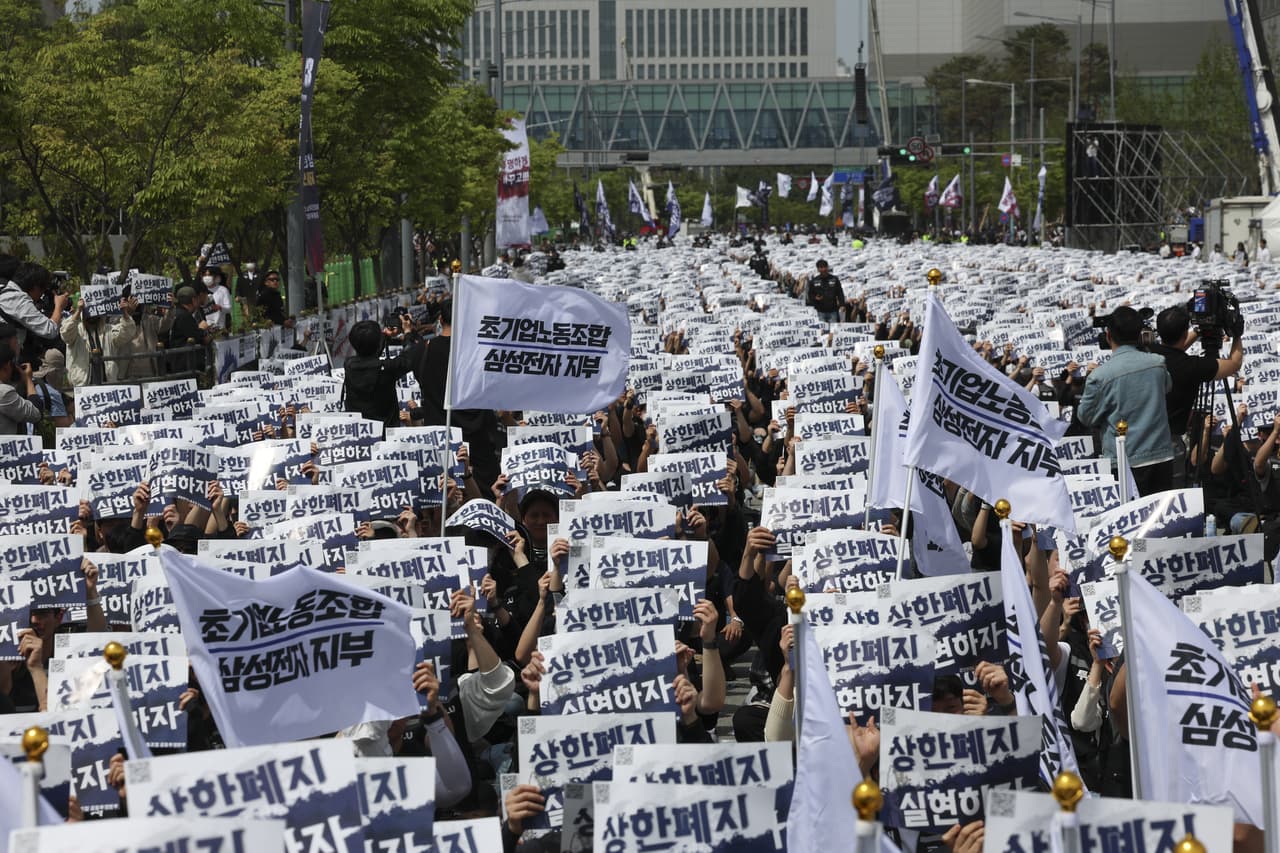
Samsung’s AI boom has collided with a rare labor revolt inside one of South Korea’s most important industrial groups. More than 45,000 workers were threatening an 18-day strike beginning May 21, a walkout that would be the largest in Samsung’s history and a direct challenge to how the company divides the gains from surging chip demand.
Samsung Electronics’ labor union said on May 15 that it still planned to strike even after management ed resuming pay talks without conditions. The dispute has hardened around a familiar question in the semiconductor industry: whether workers building the most lucrative products should capture the same rewards as those in divisions that have lagged. Samsung’s memory-chip business has been posting strong profits amid a global shortage, while employees in logic chips and foundry work say the company’s bonus policy leaves them behind.
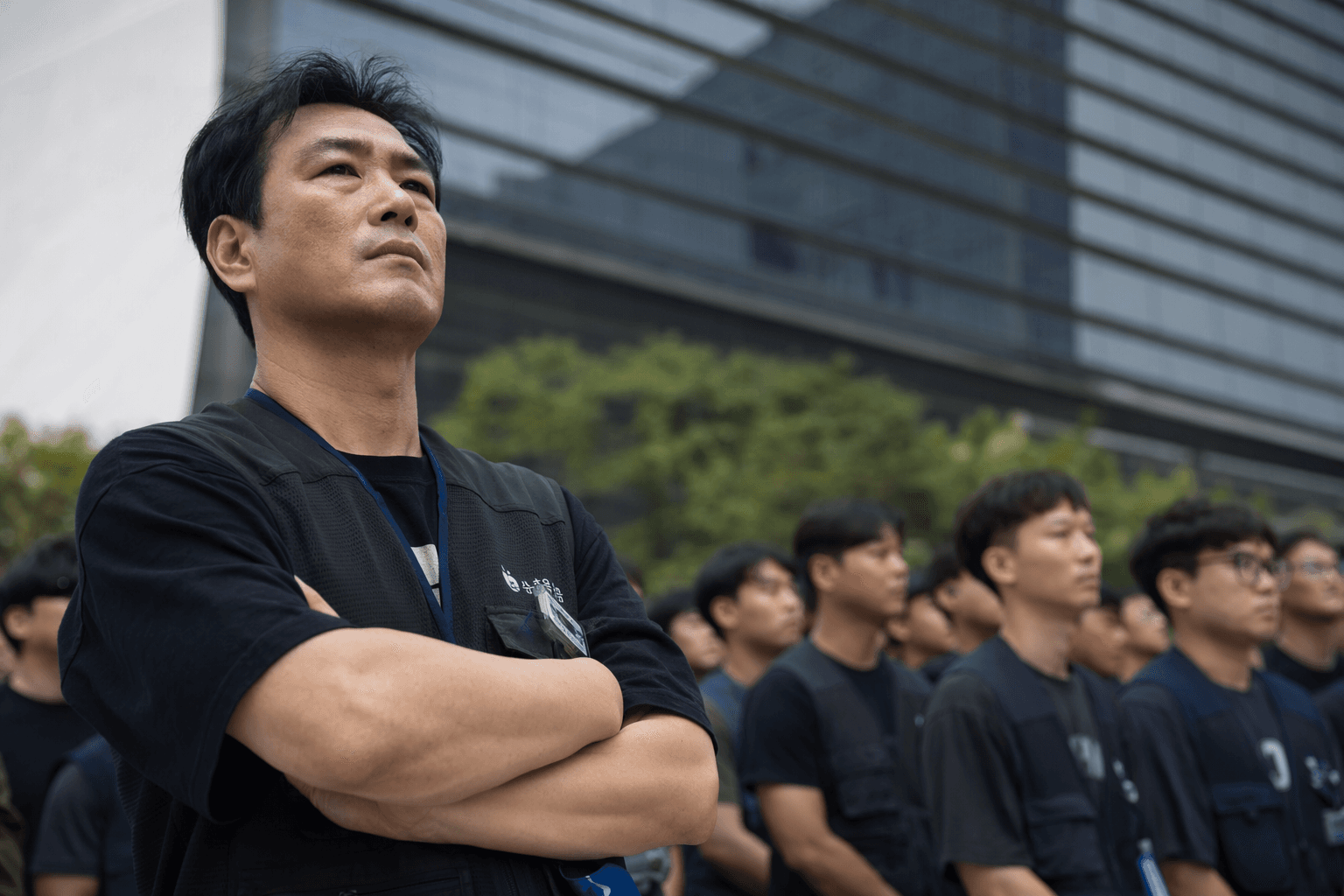
The union wants Samsung to scrap its existing bonus cap, set worker bonuses at 15% of operating profit and write those terms into employment contracts. Other demands reported in the dispute included a 7% wage increase and the removal of a 50% performance-bonus ceiling. The divide is especially sharp because Samsung has about 27,000 memory workers and roughly 23,000 employees in its logic-chip and foundry arms. Union leaders argue that engineers making chips for customers such as Tesla and Nvidia should not be treated as second-tier staff simply because those business lines have lost money.
Talks collapsed after government-mediated negotiations on May 12 and May 13, deepening concern in Seoul that a prolonged stoppage could hit exports and ripple through global supply chains. Samsung’s union chief said he expected production disruption if the strike goes ahead. The company said it would keep talking with employees “in a sincere manner.”
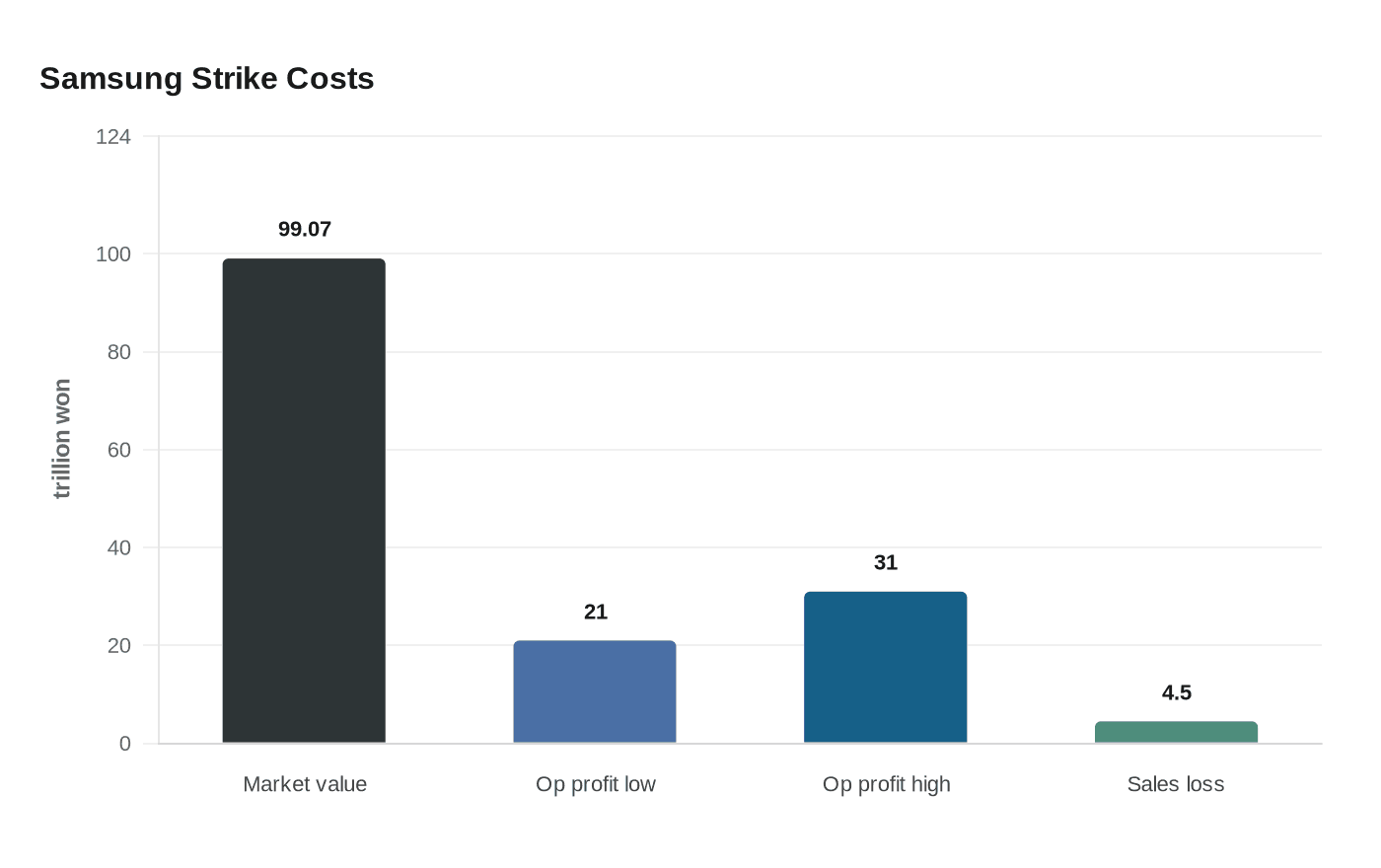
The market has already reacted. Samsung shares fell after the negotiations broke down, and one report said the company lost as much as 99.07 trillion won in intraday market value before some of the decline was recovered. JPMorgan estimated the strike could shave 21 trillion to 31 trillion won from operating profit and about 4.5 trillion won from sales, a sign of how much is at stake for a company that sits at the center of the AI hardware buildout.
The confrontation also underscores how unevenly the AI boom is being shared inside Samsung itself. Workers have grown more vocal since Samsung’s first-ever strike in June 2024, after the National Samsung Electronics Union formed in 2019 and began to organize at a scale once considered unthinkable inside the group founded by Lee Kun-hee and now led by Lee Jae-yong. For Samsung, the labor fight is no longer just about pay. It is about whether the company can remain a dominant chip supplier while keeping peace inside the workforce that powers its most strategic businesses.
This article was produced by Prism’s automated news system from verified source data, official records, and press releases, then run through automated quality and moderation checks before publishing. The system is built and supervised by the people who set the standards it runs under. Read our full AI policy.
Did this article answer your question?
%3Amax_bytes(150000)%3Astrip_icc()%2FCertificate-of-deposit-2301f2164ceb4e91b100cb92aa6f868a.jpg&w=1920&q=75)