Trump’s China trip eases tensions, but no major trade deal emerges
Trump said China would buy 200 Boeing jets and billions in soybeans, but no binding trade deal emerged in Beijing.

Donald Trump left Beijing with warmer rhetoric and a few big purchase claims, but no breakthrough trade pact that clearly changed tariffs, trade flows or U.S. leverage over China. The two-day summit with Xi Jinping on May 14-15 centered on de-escalation, not a sweeping reset, even as the world’s two biggest economies remained locked in a fragile truce marked by tariffs, rare-earth restrictions and technology export controls.
Trump said China had agreed to buy at least 200 Boeing aircraft, with the total eventually reaching 750, and that Beijing would also step up purchases of U.S. oil and agricultural goods, including billions of dollars of soybeans. But the market reaction suggested skepticism: Boeing shares fell 3.8% after the announcement, according to CBS News. Analysts said the lack of a detailed, binding statement was the more important signal than the headline numbers.
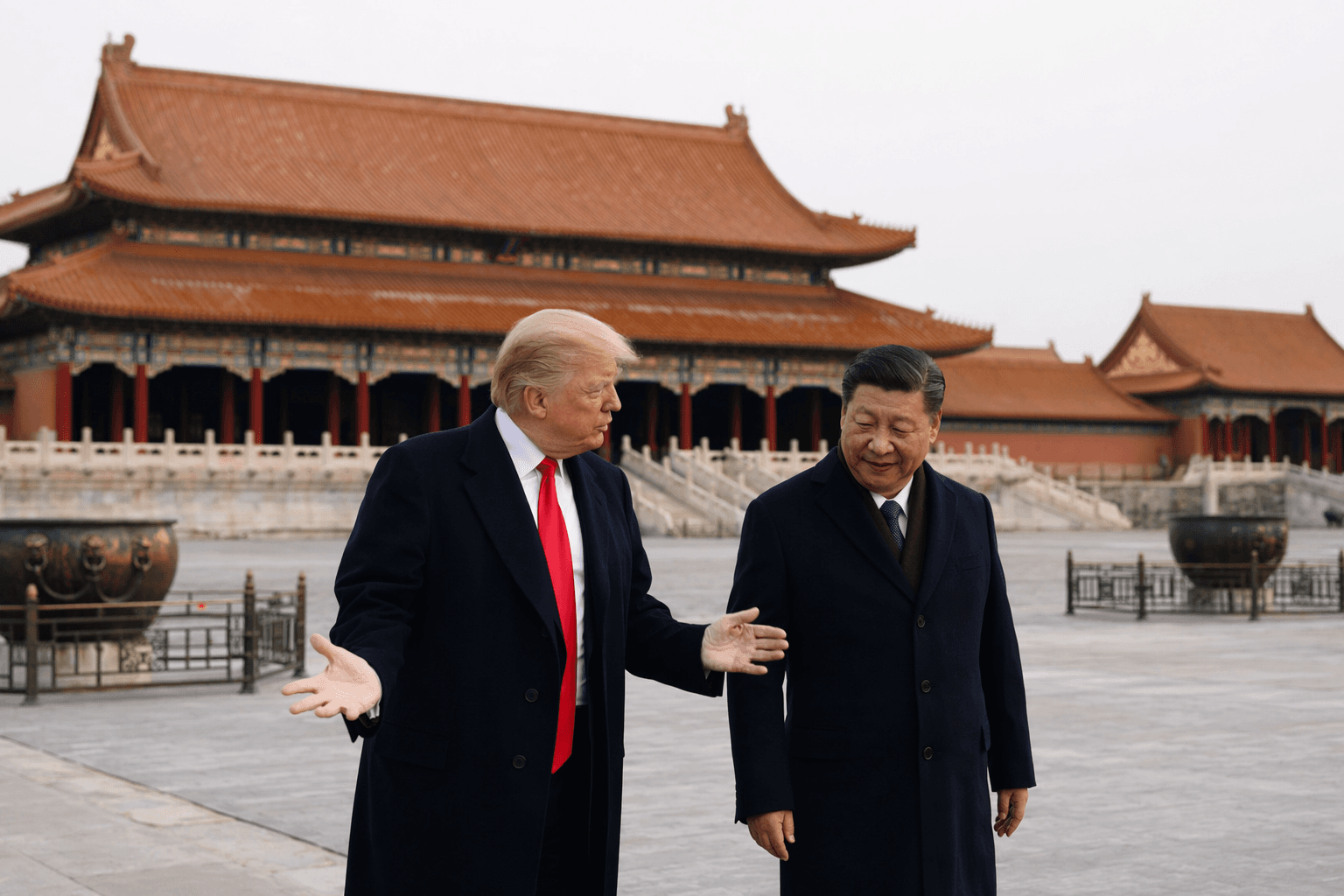
Wendy Cutler, a former U.S. Trade Representative negotiator, said she had expected China to announce “mega purchases” of U.S. agriculture, energy and airplanes, but said Trump and his team did not appear to have much to show for the visit. David Meale of Eurasia Group said both sides were claiming progress, but that key specifics had not been released and the governments still needed to finalize the details. Erica Downs said there was no confirmed statement that China had committed to a specific oil purchase amount, making the reported energy pledge non-binding.
The trip came after a long stretch of trade conflict that began with Trump’s first-term tariff war in 2018. China joined the World Trade Organization in 2001, accelerating the integration of the two economies, but the relationship has since been reshaped by tariffs, export controls and strategic competition. In May 2025, Washington and Beijing agreed to a 90-day mutual reduction in tariff rates, lowering the U.S. tariff rate on Chinese imports to 30% and Chinese tariffs on U.S. goods to 10%, but the latest summit did not appear to produce a comparable shift.
Reuters reported that Trump had narrowed his goals to beans, beef and Boeing jets, a sign that expectations for the trip were modest from the start. The talks also touched Taiwan, Iran, artificial intelligence and a proposed bilateral Board of Trade, but the main outcome was a temporary easing of tensions rather than a durable trade settlement. With court rulings undercutting Trump’s tariff strategy and political pressure rising ahead of the November midterms, the Beijing visit looked more like a bid to stabilize the relationship than to rewrite it.
This article was produced by Prism’s automated news system from verified source data, official records, and press releases, then run through automated quality and moderation checks before publishing. The system is built and supervised by the people who set the standards it runs under. Read our full AI policy.
Did this article answer your question?

%3Amax_bytes(150000)%3Astrip_icc()%2FCertificate-of-deposit-2301f2164ceb4e91b100cb92aa6f868a.jpg&w=1920&q=75)
