Practical sourdough primers put technique over ritual for home bakers
New instructional materials focus on practical sourdough technique from starter care to scoring. They help home bakers improve crust, structure and oven spring.
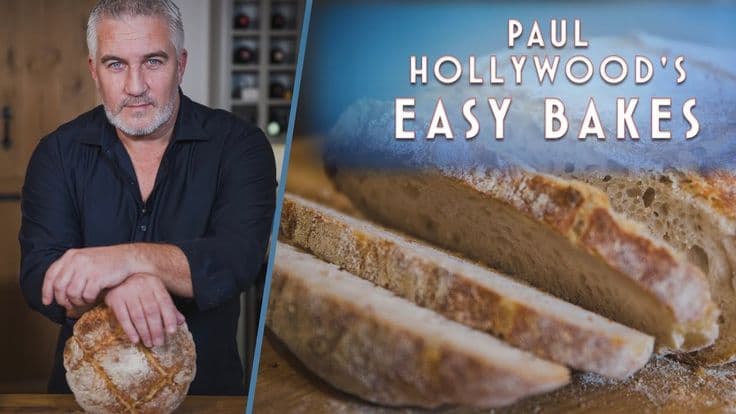
A wave of accessible instructional materials from well-known bread instructors, including segments that mirror classroom demos by names such as Paul Hollywood, is sharpening the home baker’s toolkit. These primers move beyond daily superstition and focus on repeatable technique: feeding and timing for starter health, precise dough temperature and autolyse to control fermentation, structural work during bulk fermentation, and shaping and oven handling to maximize oven spring and crust.
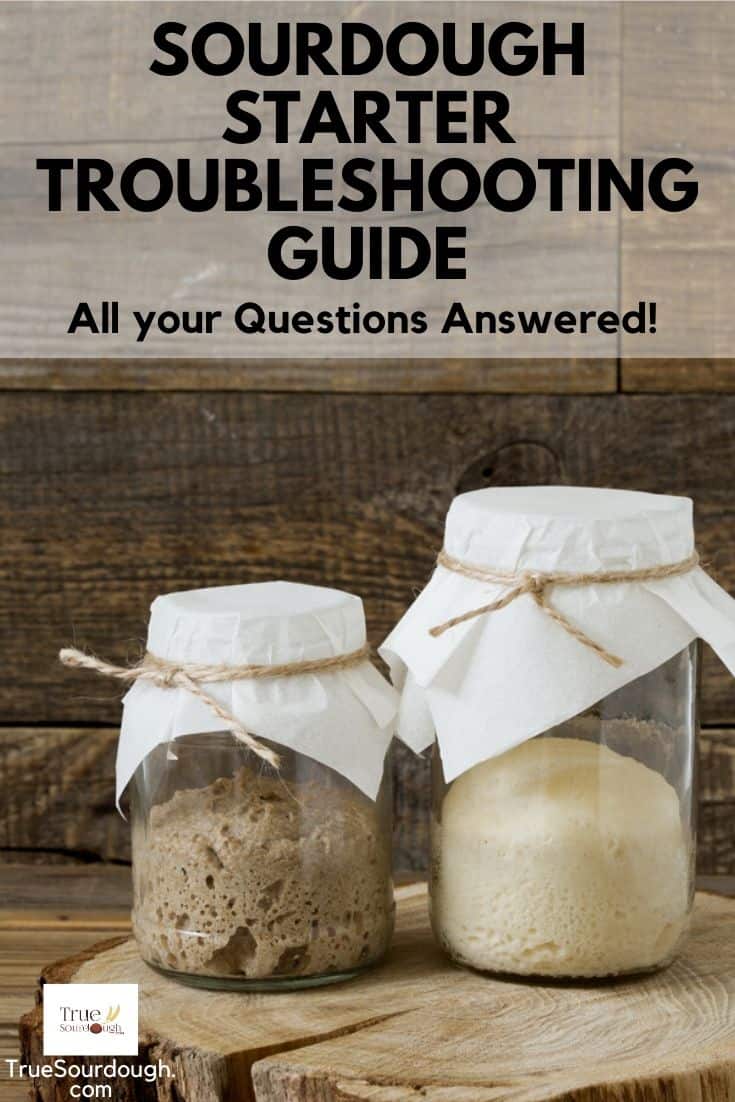
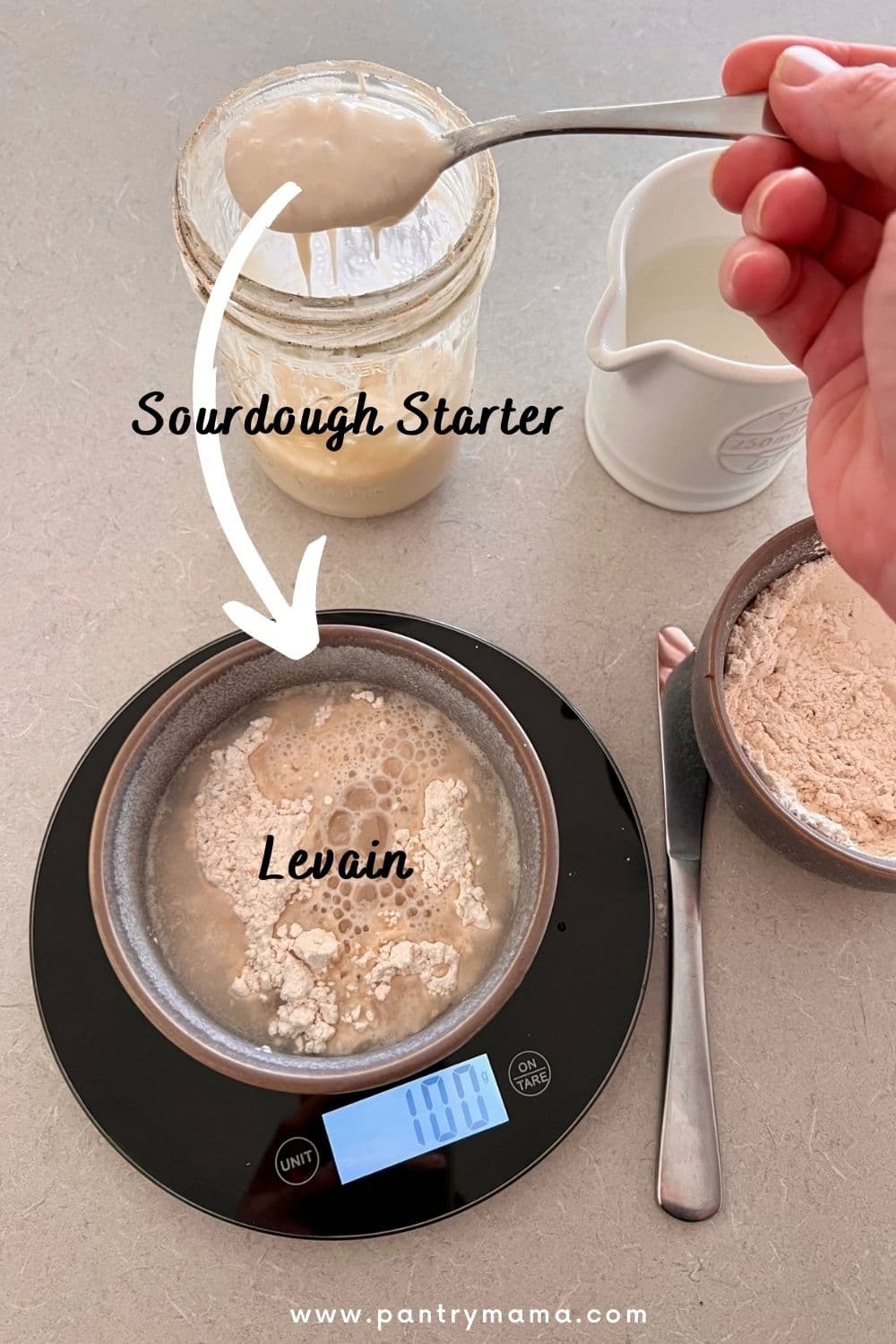
The most useful guidance reframes starter maintenance as a system of feeding and timing rather than a daily ritual. Once a routine is set for your kitchen temperature and flour choices, the starter becomes a predictable tool you feed to a schedule that suits your bake, not an all-day obligation. That predictability feeds directly into planning dough mixing and timing for peak activity.
Dough temperature and autolyse are highlighted as primary levers for controlling fermentation speed. Recipes and clips typically advise dialing in mixed dough temperature and giving an autolyse long enough to let flour hydrate and gluten start forming without pushing fermentation too far. Together these tactics help bakers avoid overproofed loaves that collapse or underdeveloped dough that lacks extensibility.
During bulk fermentation the materials emphasize stretch-and-folds or coil folds as the go-to methods for building structure. Short demo clips show when to intervene and how many folds are usually enough to create visible strength and gluten development, without overworking the dough. That structure carries through to shaping, where tension building and seam placement are shown as the keys to a good oven spring and pronounced ears.

Finishing techniques get equal attention. Instructional sections stress the importance of steam in the early bake and a high initial oven temperature to set crust and encourage oven spring. Scoring is framed as a placement and tension decision: score to release targeted expansion and to create the ears home bakers prize. Many of the materials include step-by-step visuals or short demo clips for these moves, making it easier to copy the hand positions and timing that matter.
For the community, these primers mean faster progress from basic starter care to confident shaping and scoring. They reduce guesswork by teaching how variables interact so you can tweak one thing at a time—temperature, autolyse length, or the timing of folds—and see predictable results.
Our two cents? Treat your starter like a lab partner, time your dough like a schedule, and practice a couple of coil folds and one signature score until it becomes muscle memory. The payoff is better structure, crisper crust, and more consistent oven spring—so your loaves will keep earning applause at the breakfast table.
Sources:
Know something we missed? Have a correction or additional information?
Submit a Tip