Pro-Trump activists push Greenland influence campaign, sparking backlash in Nuuk
Trump-linked operatives tried to build leverage in Nuuk through local allies and patronage, but one confrontation turned the push into a symbol of backlash.
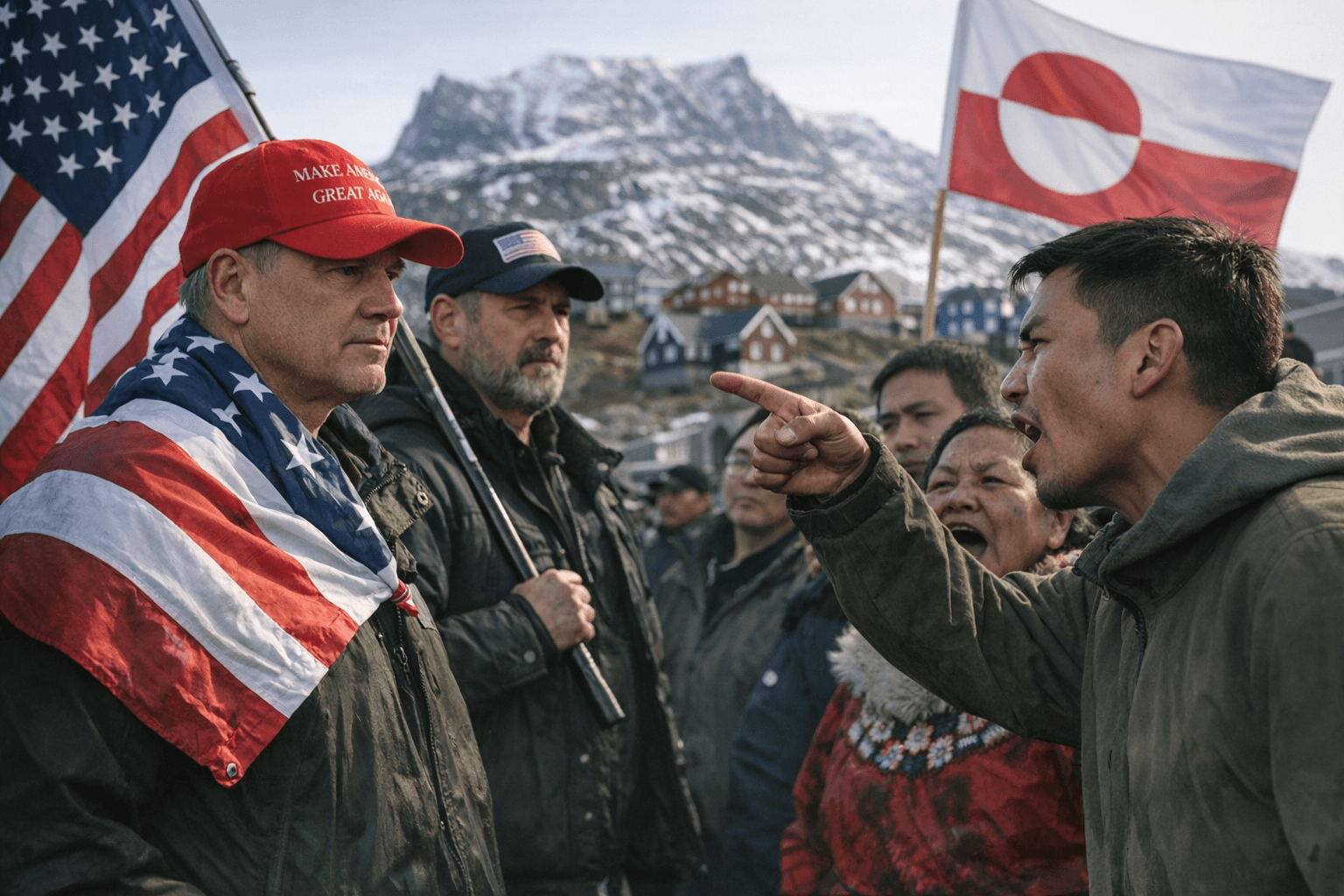
A pro-Trump influence campaign aimed at Greenland has collided with a hard limit: Greenlanders do not want to be treated as scenery in a U.S. political project. In Nuuk, that resistance crystallized around Per Berthelsen, a 76-year-old parliamentarian who spent months opposing Donald Trump’s renewed push for the island and was confronted outside a restaurant in December by Jørgen Boassen, the most visible local face of the MAGA movement.
The episode rattled Greenland’s governing coalition and exposed how personal the struggle over the island has become. Boassen has become known in Trump-aligned circles as a fervent advocate, while Berthelsen has emerged as one of the clearest institutional voices warning against outside pressure. The confrontation gave the campaign a more aggressive cast at the very moment Greenland’s leaders were trying to project unity after a tense election year.
The broader effort extended well beyond one local activist. It included a former U.S. special forces officer, a Project 2025 contributor, and an American chainsaw artist and biker who advised Kristi Noem when she was Homeland Security Secretary. Participants tried to build influence through dog-sledding sponsorships, ties to opposition politicians, promises of investment and messaging that leaned on Greenland’s colonial history. At least one participant coordinated activities with the Trump administration and advised it on Greenland, while another said he passed reports about local politicians to White House staff.
That strategy ran into the political and legal structure of the island. Greenland’s Self-Government Act, in force since 2009, recognizes Greenlanders as a people with the right of self-determination, but Denmark still controls defense, most foreign affairs and monetary policy. Copenhagen also provides an annual block grant of about $630 million. With 56,000 residents and 31 seats in Inatsisartut, Greenland is small enough that political pressure is immediately visible and personal, but large enough to resist being folded into someone else’s campaign.
The island’s own politics have moved toward caution, not confrontation. In the March 11, 2025 election, the Democrats won a plurality and backed gradual, not immediate, independence. On March 28, 2025, Jens-Frederik Nielsen said his coalition would ensure that “no one in the world should have any doubt that Greenland stands united.” That message has only sharpened as outside actors press harder.
Washington already has a major foothold at Pituffik Space Base on Greenland’s northwest coast, where the U.S. Space Force says operations continue year-round even though the airfield is ice-locked much of the year. European ties also remain active: the European Union’s fisheries partnership with Greenland runs through 2027, and the current fisheries protocol extends to 2030. In Nuuk, that combination of security, trade and sovereignty has made Greenland less a prize to be seized than a test of how far foreign powers can push before the backlash hardens into policy.
This article was produced by Prism’s automated news system from verified source data, official records, and press releases, then run through automated quality and moderation checks before publishing. The system is built and supervised by the people who set the standards it runs under. Read our full AI policy.
Did this article answer your question?