Rare Ebola strain in DRC raises questions about outbreak response
A rare Bundibugyo Ebola outbreak in eastern Congo exposed a diagnostic blind spot, with one common test missing the virus for weeks.
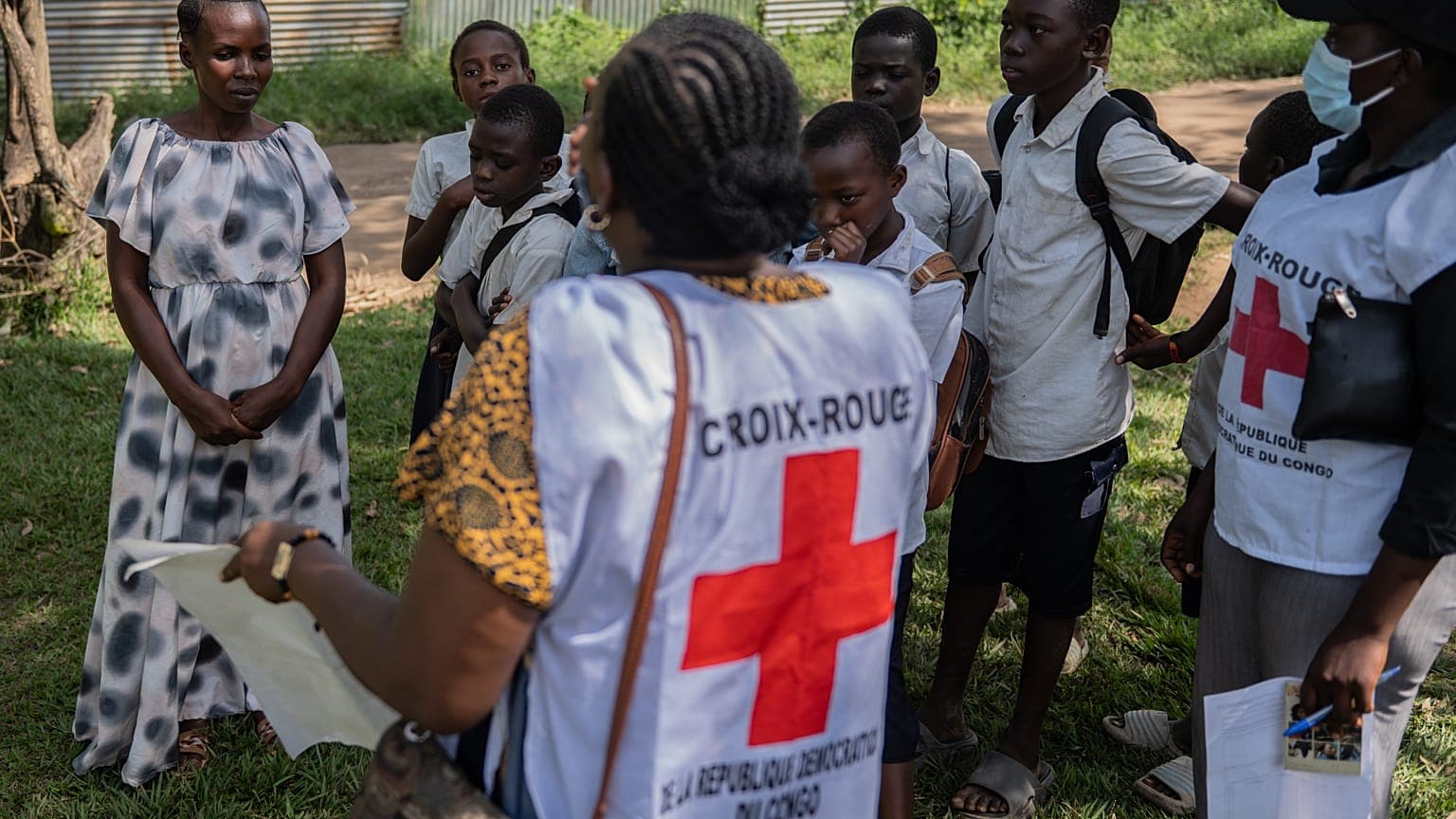
A rare Ebola strain has pushed the Democratic Republic of the Congo into another outbreak while exposing a basic weakness in global readiness: the tools built for the best-known virus did not catch the one now spreading in Ituri Province.
The country declared its 17th Ebola outbreak on May 15, 2026, after 246 suspected cases and 80 deaths were reported across three health zones. The suspected index case was a nurse at a hospital in Bunia, and the outbreak spread unnoticed for about three weeks because the regional GeneXpert test detects Ebola Zaire, not Bundibugyo, forcing samples to be sent more than 600 miles to Kinshasa for confirmation.

That matters because Bundibugyo is not the Ebola strain most public health systems are built around. The World Health Organization says six orthoebolavirus species have been identified, but only three are known to cause large Ebola disease outbreaks: Ebola virus, Sudan virus and Bundibugyo virus. The Centers for Disease Control and Prevention says four orthoebolaviruses cause illness in people, including Taï Forest virus, while Reston virus has caused disease in non-human primates and Bombali virus has only been identified in bats.
The mismatch has real consequences in the field. WHO says no approved vaccine or treatment exists for Ebola disease caused by Sudan virus or Bundibugyo virus, even though an FDA-approved vaccine exists for Ebola virus, the species Orthoebolavirus zairense. WHO also says Ebola mortality has ranged from 25% to 90% in past outbreaks, with an average case fatality rate around 50%, making early detection, contact tracing, laboratory capacity, safe burials, supportive care, vaccination when relevant and social mobilization essential to stopping spread.
The problem is not unique to Ebola. Hantaviruses, which WHO says are typically tied to specific rodent reservoir species, show the same pattern of a broad family hiding many different threats. In the Americas they can cause hantavirus cardiopulmonary syndrome, while in Europe and Asia they are known for hemorrhagic fever with renal syndrome. WHO estimates global infections may run from 10,000 to more than 100,000 a year, and says there is no specific cure, only better survival with early supportive care.
That challenge is playing out in real time on the M/V Hondius cruise ship in the Atlantic Ocean, where the CDC said it was responding to a deadly Andes virus outbreak among passengers and crew. A Congressional Research Service report said WHO was notified on May 2, 2026, after two deaths and one critically ill passenger. The first symptoms began on April 6, and by May 13 there were 11 reported cases linked to the ship, eight of them laboratory confirmed.
Andes virus is one of the few hantaviruses known to spread person-to-person among close and prolonged contacts, making it a different problem from the rodent-linked outbreaks public health agencies often prepare for. CDC said the risk to the U.S. public remained very low, while more than 100 staff members worked on the outbreak. Together, the Congo Ebola flare-up and the Atlantic hantavirus cluster show how easily officials can be left fighting the last outbreak instead of the one in front of them.
This article was produced by Prism’s automated news system from verified source data, official records, and press releases, then run through automated quality and moderation checks before publishing. The system is built and supervised by the people who set the standards it runs under. Read our full AI policy.
Know something we missed? Have a correction or additional information?
Submit a Tip