WHO says hantavirus cases on cruise ship outbreak rise to 13
A luxury cruise turned into a multinational hantavirus hunt as cases climbed to 13, with passengers from 23 countries still being traced.

A luxury cruise ship that carried passengers through Antarctica, South Georgia Island and the South Atlantic has become the center of an unusual hantavirus investigation, with the World Health Organization saying the case count has risen to 13 and three people have died.
WHO Director-General Tedros Adhanom Ghebreyesus said the update reflected a new case reported from Spain among passengers in quarantine, while the overall situation remained stable. He said sick passengers were receiving needed care and the remaining passengers were still being quarantined, underscoring how quickly a rodent-borne illness can trigger a modern travel response spanning hospitals, ports and public-health agencies in multiple countries.
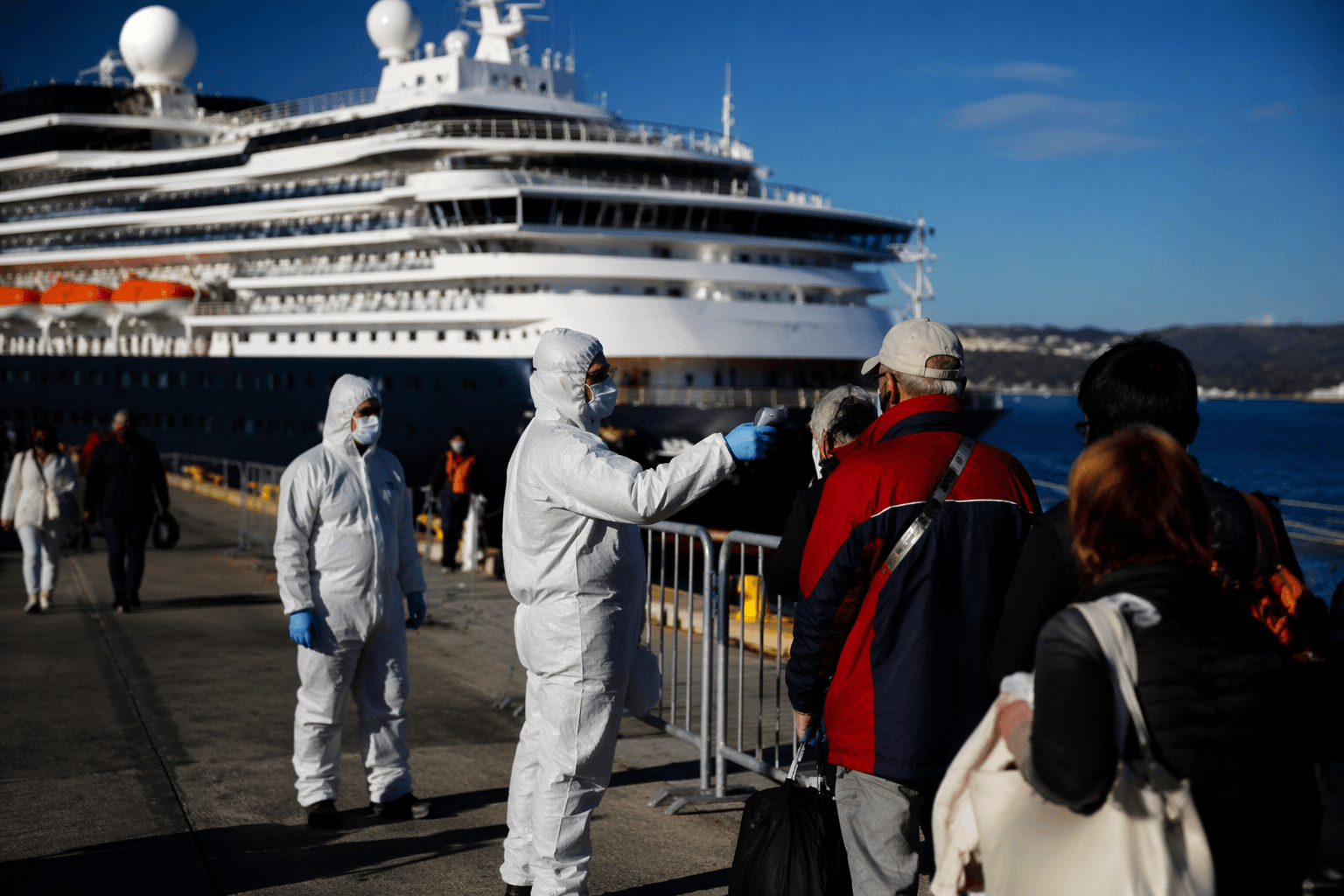
The outbreak was tied to the MV Hondius, a Dutch-flagged cruise ship that departed Ushuaia, Argentina, on April 1 with 147 people aboard, including 86 passengers and 61 crew members. Its route included Antarctica, South Georgia Island, Tristan da Cunha, Saint Helena and Ascension Island, a long itinerary that left health authorities tracing exposure across a wide international footprint.
WHO first received notification of the cluster on May 2, when severe acute respiratory illness was reported aboard the ship. By May 13, the agency had counted 11 cases, including three deaths, with eight laboratory-confirmed Andes virus infections, two probable cases and one inconclusive case. As of May 26, the European Centre for Disease Prevention and Control said the total had climbed to 13 cases, including 11 confirmed and two probable infections.
The source of exposure remains uncertain. WHO’s working hypothesis is that the first case was infected before boarding, possibly through land exposure, and investigations are continuing with authorities in Argentina and Chile. That leaves a difficult surveillance problem for public-health officials: a disease typically associated with rodents and land-based exposure has instead emerged in an international cruise setting where passengers and crew came from 23 countries, including nine EU and EEA countries.
The broader concern is not only the illness itself, but the challenge of tracking it once travelers disperse home. WHO said the event’s global risk remained low, and the CDC said broad spread in the United States was considered extremely unlikely. Even so, ECDC said additional cases were expected as passengers and crew were retested after returning home, reflecting the long incubation period of Andes hantavirus and the strain it can place on cross-border surveillance systems.
Health officials have already seen how far the response has reached. One infected passenger was treated in a Zurich hospital after returning to Switzerland, and three passengers were evacuated to the Netherlands for treatment early in the response. The cruise ship’s immediate operational crisis has largely passed, but the public-health work is not finished: the search for the exposure source, the monitoring of travelers and the coordination across borders continue.
This article was produced by Prism’s automated news system from verified source data, official records, and press releases, then run through automated quality and moderation checks before publishing. The system is built and supervised by the people who set the standards it runs under. Read our full AI policy.
Know something we missed? Have a correction or additional information?
Submit a Tip