Redistricting scramble intensifies as 2026 House control hangs in balance
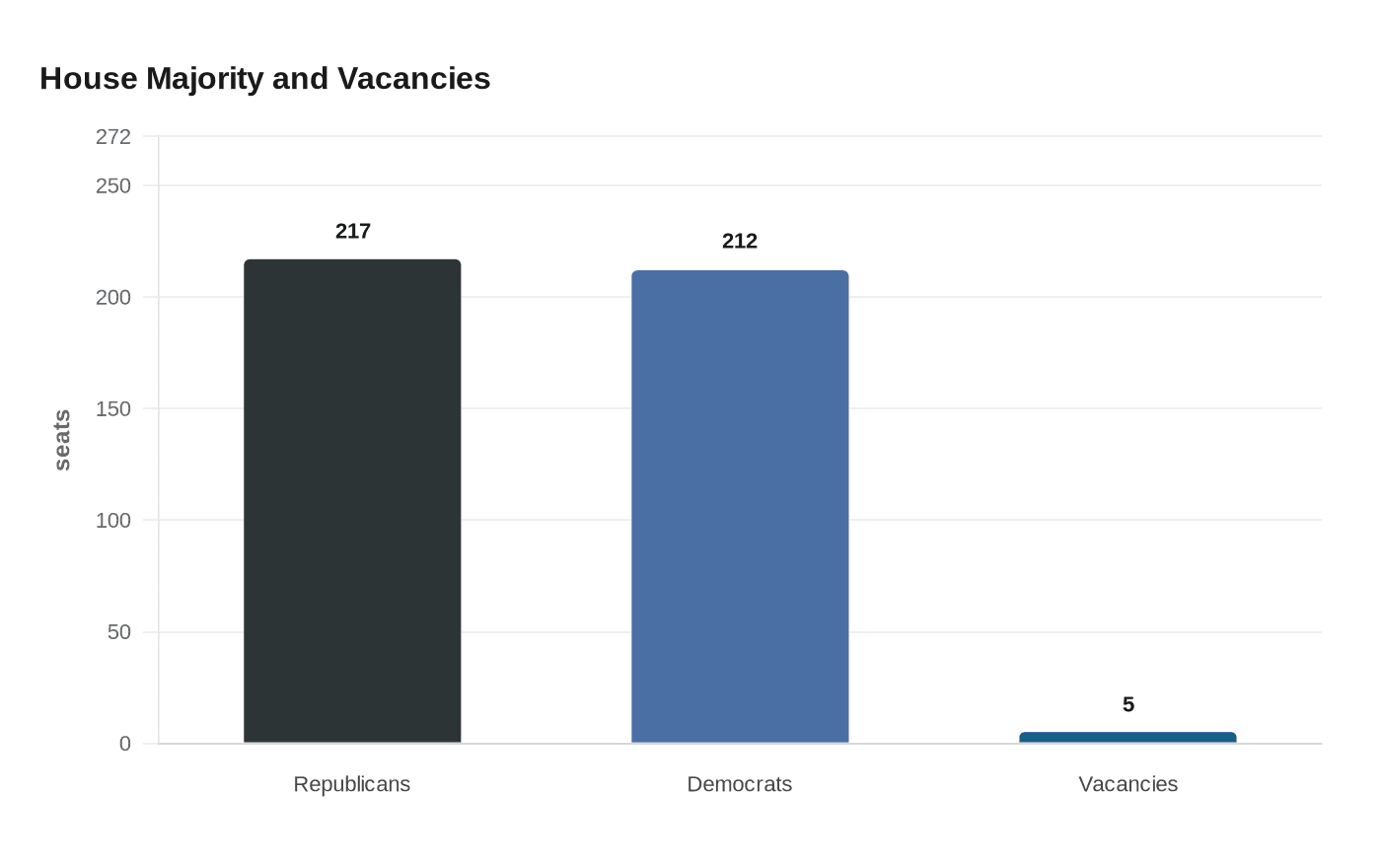
A burst of mid-decade map rewrites in eight states could swing multiple House seats, with Republicans clinging to a 217-212 majority and five vacancies.
Experts say this round of mid-decade redistricting is more than unusual, it is historically rare. The National Conference of State Legislatures says states are undertaking map changes at rates “not seen since the 1800s,” a pace that could help decide control of the U.S. House before the 2026 elections.
The legal path exists even if the practice has long been uncommon. A Congressional Research Service memo says mid-decade redistricting is not prohibited by the U.S. Constitution or federal law, but it has typically appeared only when courts forced changes ahead of the next census. That gap between what is allowed and what is normal has opened a fast-moving partisan fight across the country.
As of May 2026, seven states had passed new congressional maps between the 2024 and 2026 elections: California, Florida, Missouri, North Carolina, Ohio, Tennessee and Texas. Litigation had already produced new maps in Alabama and Utah, while Georgia and Louisiana were still tied up in court. South Carolina was weighing a special session, and other states including Arizona, New Jersey, New York, Washington, Colorado, Mississippi, Illinois, Kansas, Nebraska and New Hampshire were being watched as possible next battlegrounds.
The stakes are stark in Washington. Republicans held a 217-212 majority in the House, with five vacancies, leaving almost no cushion for a bad map cycle. Analysts say the redraws could affect multiple seats and may determine which party controls the chamber after the midterms. David Becker said the scale of the current push is “never seen before in American history,” a reflection of how many states are moving at once and how openly partisan the maneuvering has become.
Texas helped trigger the scramble after Republicans passed a new map at the urging of President Donald Trump. California answered with Proposition 50, which would redraw five districts to be more Democratic-leaning. Ohio was different from the rest: state rules required it to redraw its map, and the compromise that emerged was described as favoring Republicans while still leaving seats competitive for Democrats.
The fight also underscores how little precedent exists for voluntary map changes outside the census cycle. Ballotpedia says that before 2025, only two states had conducted voluntary mid-decade redistricting since 1970. Now, with court rulings, state deadlines and primary calendars all in play, some states may even need to reschedule primaries if new congressional maps are to take effect before the 2026 general election. The result is a redistricting race that could reshape the House long before voters cast a ballot.
Know something we missed? Have a correction or additional information?
Submit a Tip