Republicans defend congressional control as midterm map tightens
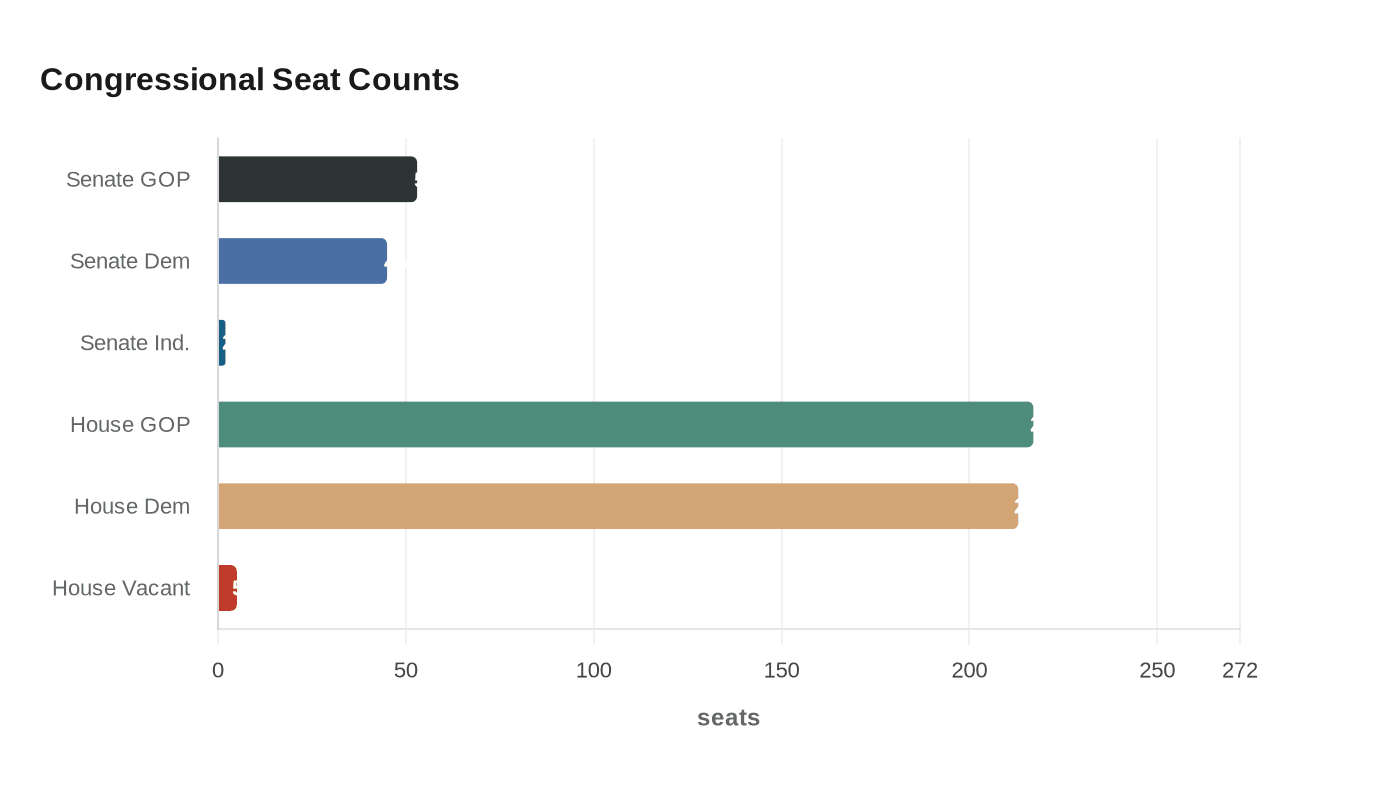
Five House vacancies and a 53-45 Senate leave Republicans defending a paper-thin governing edge as the November 3 map opens. A swing of a few seats could decide committee control and Trump’s agenda.
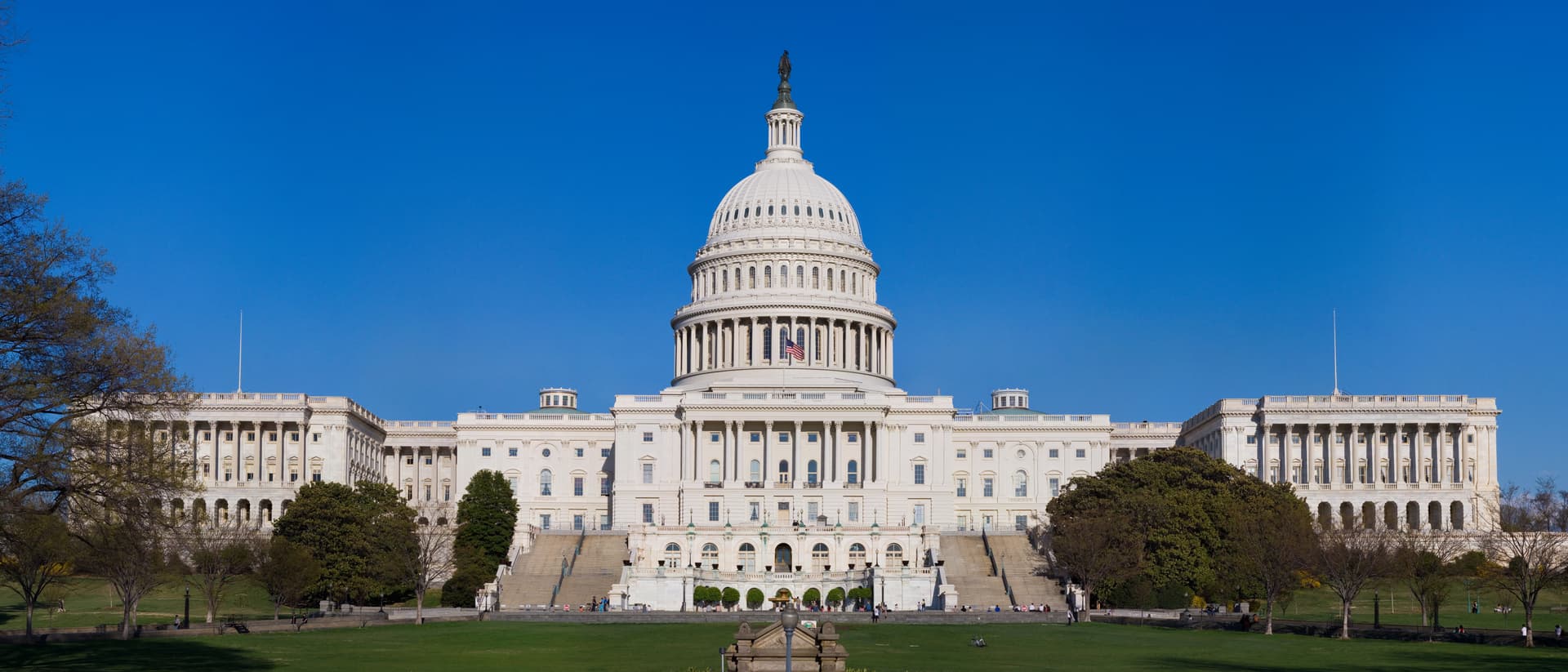
Republicans still control both chambers, but the margin is thin enough that a small shift in a few races could change who runs Congress and how Donald Trump governs.
As of May 2026, Republicans held a 53-45 edge in the Senate, with two independents caucusing with Democrats, and a 217-213 majority in the House, where five seats were vacant. In one broader House count that includes delegates and the Resident Commissioner, Republicans held 219 seats to Democrats’ 212. All 435 House seats, 33 Senate seats and five House non-voting seats are on the ballot in the 2026 congressional elections on November 3.

That is why the fight is about more than raw seat totals. The new Congress begins at noon on January 3 of odd-numbered years, and mid-Congress vacancies are filled through special elections, so the balance of power can still move before lawmakers even gavels down in January. If Republicans protect both chambers, they keep committee gavels, control the legislative calendar and preserve a unified-government advantage that the House historian says has happened 48 times since 1857. If Democrats flip either chamber, Trump would face divided government, sharper oversight and far less room to move his agenda through Congress.
The House is the most fluid chamber. Since the start of the modern party system, the House has changed majorities in a midterm election a little more than one-third of the time, and more than three-quarters of all House majority changes since 1856 have come in midterms. That makes a narrow majority especially vulnerable when only a handful of districts can decide whether the next speaker is chosen by Republicans or Democrats.
The Senate has its own history of midterm swings. On November 5, 1918, Republicans swept the congressional elections, won a two-seat Senate majority and a 41-seat House margin amid dissatisfaction with Democratic policy and Woodrow Wilson. The Congressional Research Service has also noted three lame-duck sessions after majority-changing midterm elections in first presidential terms, in 1954, 1994 and 2010, each following a period of one-party control of the White House, House and Senate.
The 119th Congress runs from January 3, 2025, to January 3, 2027, but the 2026 election will decide whether its final stretch is governed by one party or divided between two. In practical terms, that means committee control, oversight power and the fate of Trump’s legislative ambitions will turn on a few dozen races, not a sweeping national wave.
Know something we missed? Have a correction or additional information?
Submit a Tip