Researchers flag influenza D and canine coronavirus as emerging human threats
Researchers warn influenza D and canine coronavirus HuPn-2018 are underrecognized threats due to limited surveillance, diagnostics, and low population immunity.
A review published in the January issue of Emerging Infectious Diseases raises alarms about two animal-origin respiratory viruses that researchers say are quietly crossing species barriers and evading detection. The paper concludes that “Two newly recognized emergent respiratory viruses, influenza D and canine coronavirus HuPn-2018, have been shown to have considerable potential for causing future human epidemics, but diagnostics and surveillance for the viruses are lacking.”
The review synthesizes serologic, clinical and genomic signals that, taken together, suggest both pathogens merit urgent public health attention. Influenza D is primarily associated with cattle and other livestock. Serology studies of cattle workers in Colorado and Florida found that up to 97 percent carried antibodies to influenza D, indicating previous exposure. To date human infection has generally been mild or subclinical; as one of the review co-authors, John Lednicky, a research professor at the University of Florida, said: “So far, influenza D virus has not been associated with serious infections in humans.”
Canine coronavirus HuPn-2018 is a recombinant alphacoronavirus containing genetic material from canine and feline coronaviruses. It was first identified in 2021 after isolation from a child hospitalized with pneumonia in Malaysia. Since then, similar viruses have been detected in people with respiratory illness in Thailand, Vietnam, Haiti and the state of Arkansas in the United States. One Vietnam study reported the virus in 18 of 200 hospitalized pneumonia patients, signaling that detections are not restricted to a single region or laboratory. Lednicky cautioned that while canine coronavirus “has been associated with serious infections, diagnostic tests are not routinely performed for the virus so the extent at which the virus affects the population at large is not known.”
Researchers warn the public health risk comes less from current caseloads than from what these viruses might become. The review and its authors highlight several converging vulnerabilities: limited diagnostics and routine testing, sparse surveillance in both human and animal populations, expanding host range and genetic adaptability, and low or absent population immunity. “Our review of the literature indicates these two viruses pose respiratory disease threats to humans, yet little has been done to respond to or prevent infection from these viruses,” Lednicky said. He added a stark projection: “If these viruses evolve the capacity to easily transmit person to person, they may be able to cause epidemics or pandemics since most people won’t have immunity to them.”
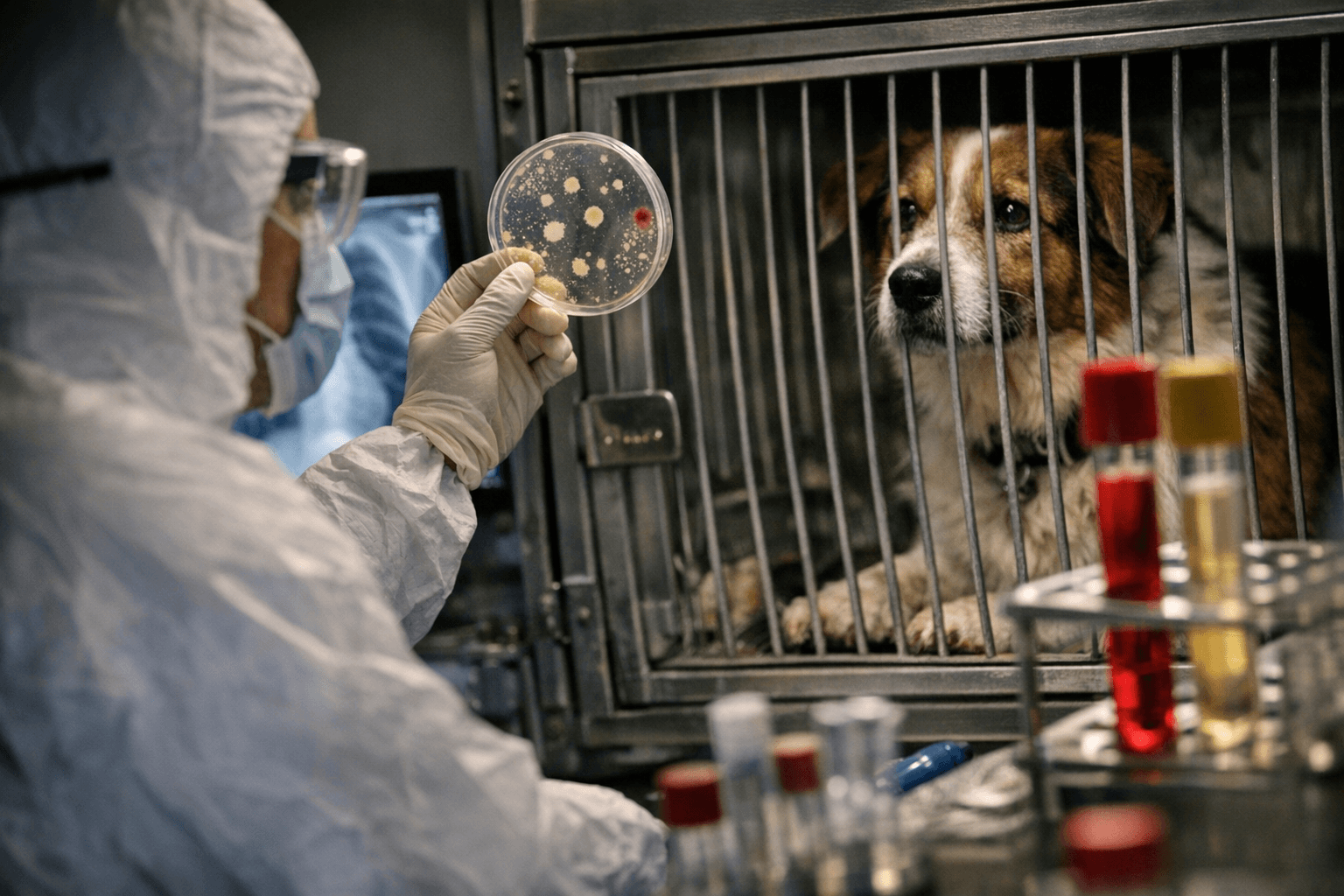
The implications are both clinical and social. Occupational groups with close animal contact, including livestock handlers, are clearly at elevated exposure risk, and low-resource settings where surveillance and laboratory capacity are limited could be the earliest sites of unnoticed spread. Public health experts say a One Health approach that integrates veterinary, environmental and human surveillance is essential, alongside investment in validated diagnostics, genomic sequencing and data sharing to close detection gaps.
Policymakers face a window of preventive opportunity. Strengthening laboratory capacity in rural and underresourced regions, expanding routine respiratory testing algorithms to include these agents where feasible, and funding cross-sector surveillance could detect early human adaptation and halt spread before sustained person-to-person transmission emerges. The review’s authors argue that proactive investments now could avert much larger social and economic costs later, especially for communities already vulnerable to health system shortfalls.
This article was produced by Prism’s automated news system from verified source data, official records, and press releases, then run through automated quality and moderation checks before publishing. The system is built and supervised by the people who set the standards it runs under. Read our full AI policy.
Did this article answer your question?