Restaurants bet on nostalgia to lure diners back inside
Nostalgia is becoming a pricing strategy as restaurants use throwback menus and decor to win back cautious diners. The bet is that comfort can sell what inflation has made harder to justify.
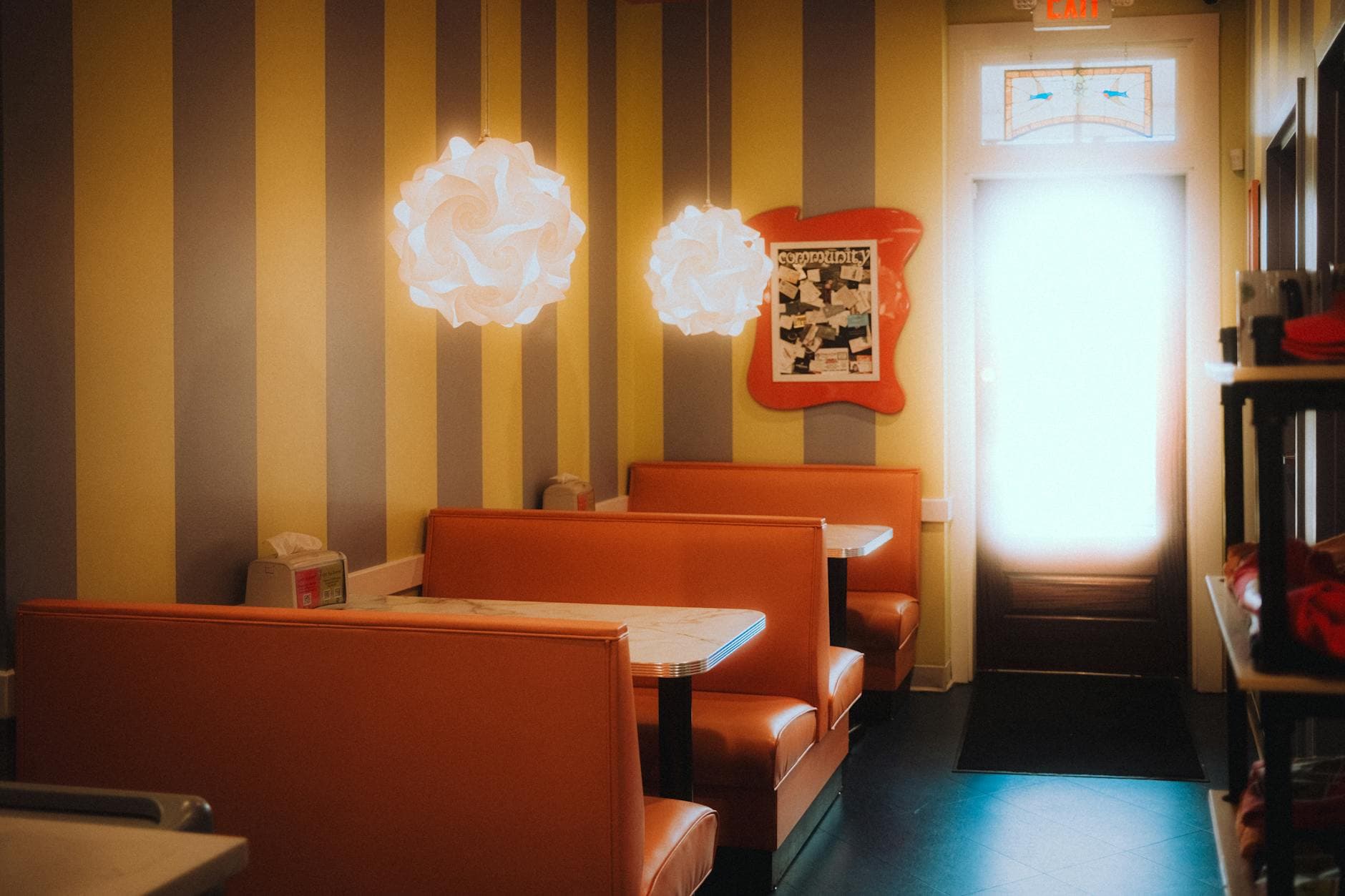
Nostalgia as a business strategy
A $2.65 cheeseburger can do more than fill a table. It can signal value, lower the barrier to ordering, and make a night out feel familiar at a moment when restaurant visits have to work harder for every dollar.
That is why retro dining is showing up as more than a style choice. The National Restaurant Association’s 2026 What’s Hot Culinary Forecast puts “comfort and nostalgia” among the major menu trends for 2026, and the organization says the outlook was built from insights gathered from hundreds of culinary professionals in October 2025. The message is clear: the industry sees nostalgia not as a novelty, but as a practical response to changing consumer behavior.
Why the throwback pitch is resonating
Restaurants are leaning into familiar menus, old-school décor, and price cues that feel recognizable because the economics around dining out have tightened. McKinsey says U.S. food-away-from-home prices rose about 6% from January 2024 to September 2025, compared with about 3% for food at home. In other words, the gap between eating out and eating in widened, and that makes every menu choice more sensitive to perceived value.
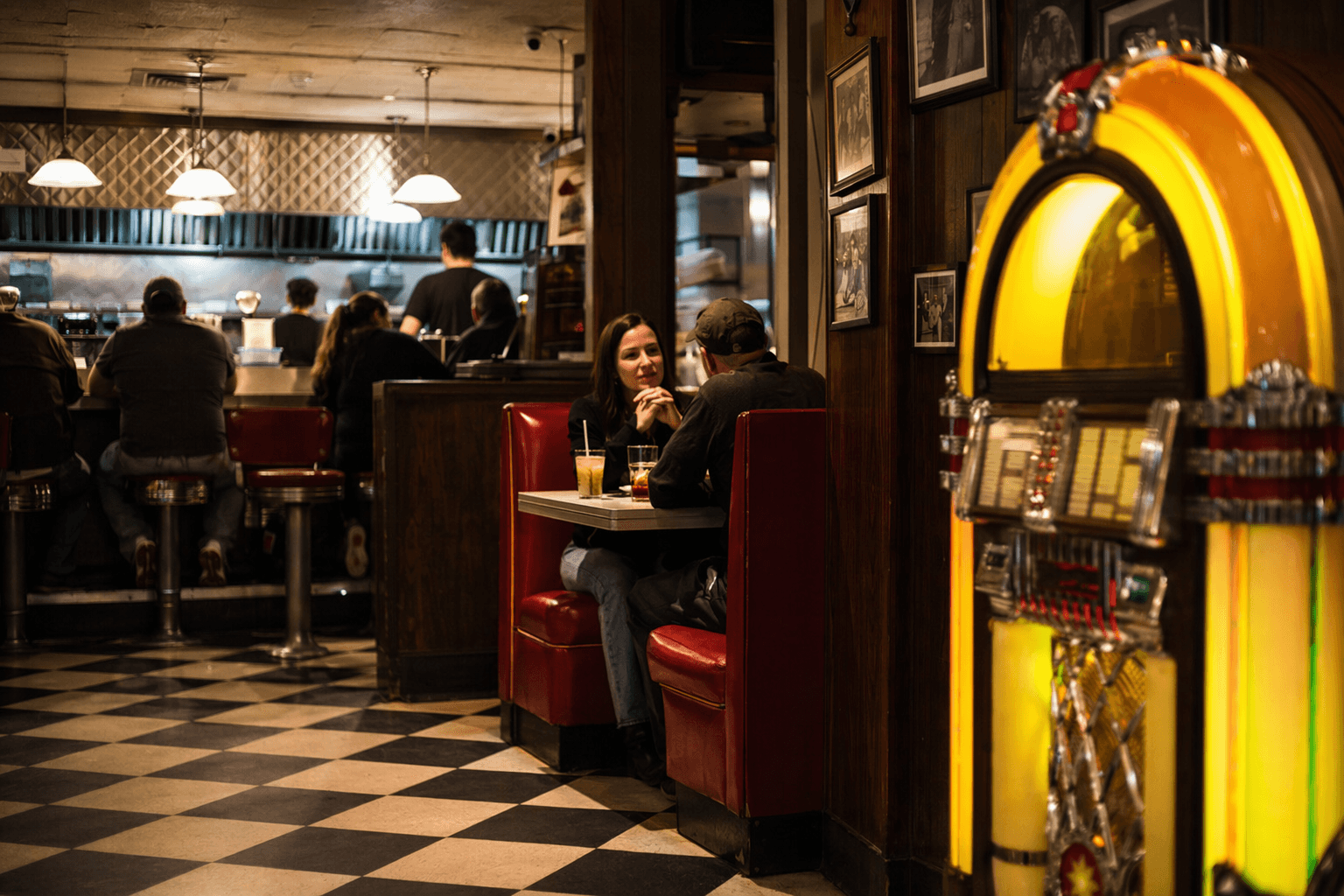
McKinsey also found that Gen X and baby boomers showed the sharpest pullback in dining and food-delivery spending. That matters because these consumers often have long memories for brands, recipes, and restaurant rituals, and they are more likely to notice when a familiar experience returns with familiar pricing. In this environment, nostalgia can work as a reassurance signal: the food is known, the format is easy to understand, and the visit feels less risky.
How operators are pricing the past
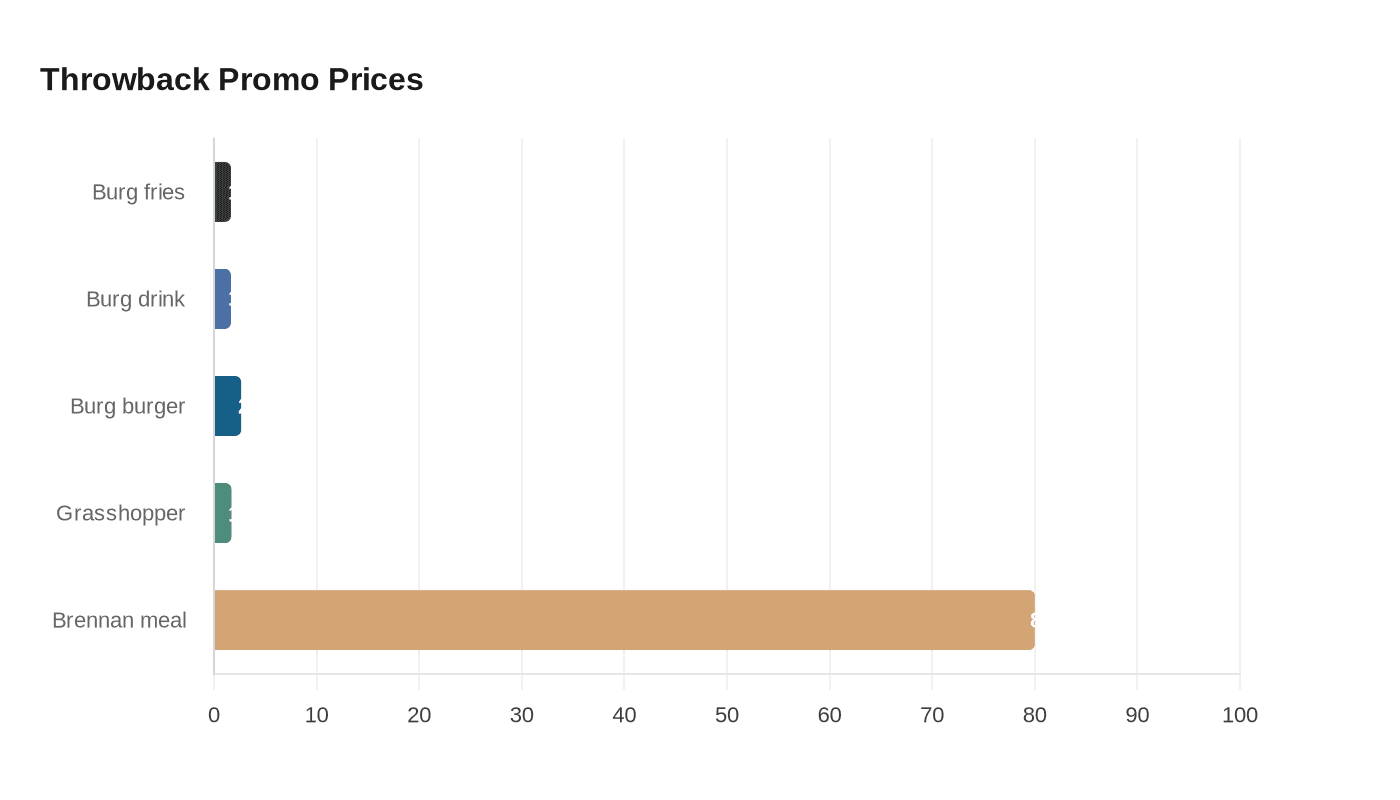
The most visible version of the trend is limited-time throwback pricing, where anniversaries become a reason to recreate old menu cues at attention-grabbing prices. Burgerville celebrated its 65th anniversary on March 10, 2026 with a one-day promotion that included $1.65 fries, a $1.65 fountain drink, and a $2.65 original cheeseburger. The numbers are not random; they make the promotion feel anchored to the brand’s history while also reading as a bargain in the current market.
Tujague’s in New Orleans is taking a similar route for its 170th year, offering $1.70 Grasshopper cocktails. Brennan’s is marking its 80th anniversary with $80 multi-course meals. Both examples show how nostalgia can be sold at different price points, from a small, highly shareable special to a full dining-room experience that turns heritage into a premium occasion.
These promotions do two things at once. They create urgency because they are limited, and they frame value in a way that is emotionally legible. A customer does not have to calculate whether the meal is “worth it” from scratch; the anniversary, the familiar recipe, and the old-fashioned pricing cue do part of that work.
The data behind the dining-room comeback
The nostalgia push is also happening alongside signs that people still want to eat out, even if they are choosier about where and how. OpenTable says Americans are expected to dine out 10 times per month on average in 2026, and 55% of Americans say they will spend even more on restaurants next year. That is not a collapse in demand. It is a market asking operators to give diners a better reason to leave home.
OpenTable’s trends data adds another layer: 79% of millennials say a restaurant’s Instagram and TikTok worthiness matters when deciding where to dine. That helps explain why nostalgia is not limited to plain replicas of old diners or classic booths. Younger diners still want authenticity, but they also want the meal to perform visually. A retro milkshake, a neon sign, or a vintage cocktail can satisfy both the desire for comfort and the demand for a postable moment.
Gimmick or measurable response?
The best way to think about retro dining is not as a gimmick versus a trend, but as a test of whether operators can translate sentiment into traffic and check size. If nostalgia is only décor, it may not move much business. If it shapes the menu, the pricing architecture, and the emotional value of the visit, it becomes a measurable tool in a period of inflation pressure and softer household budgets.
That is why the most effective versions of the trend tend to combine several elements at once: recognizable food, prices that feel intentionally friendly, and an atmosphere that signals ease. The National Restaurant Association’s forecast also points toward smashed burgers, elevated instant noodles, and a broader mix of health, wellness, and value. Taken together, those cues suggest that restaurants are not simply looking backward. They are using the past to package affordability and comfort for a market that is still willing to spend, but far less willing to overpay.
The broader economic story is straightforward. When food at home is rising more slowly than food away from home, dining rooms have to justify themselves with more than convenience. Nostalgia gives operators a language for that argument. It makes the familiar feel worth paying for, and in today’s restaurant economy, that may be the strongest pitch of all.
This article was produced by Prism’s automated news system from verified source data, official records, and press releases, then run through automated quality and moderation checks before publishing. The system is built and supervised by the people who set the standards it runs under. Read our full AI policy.
Did this article answer your question?