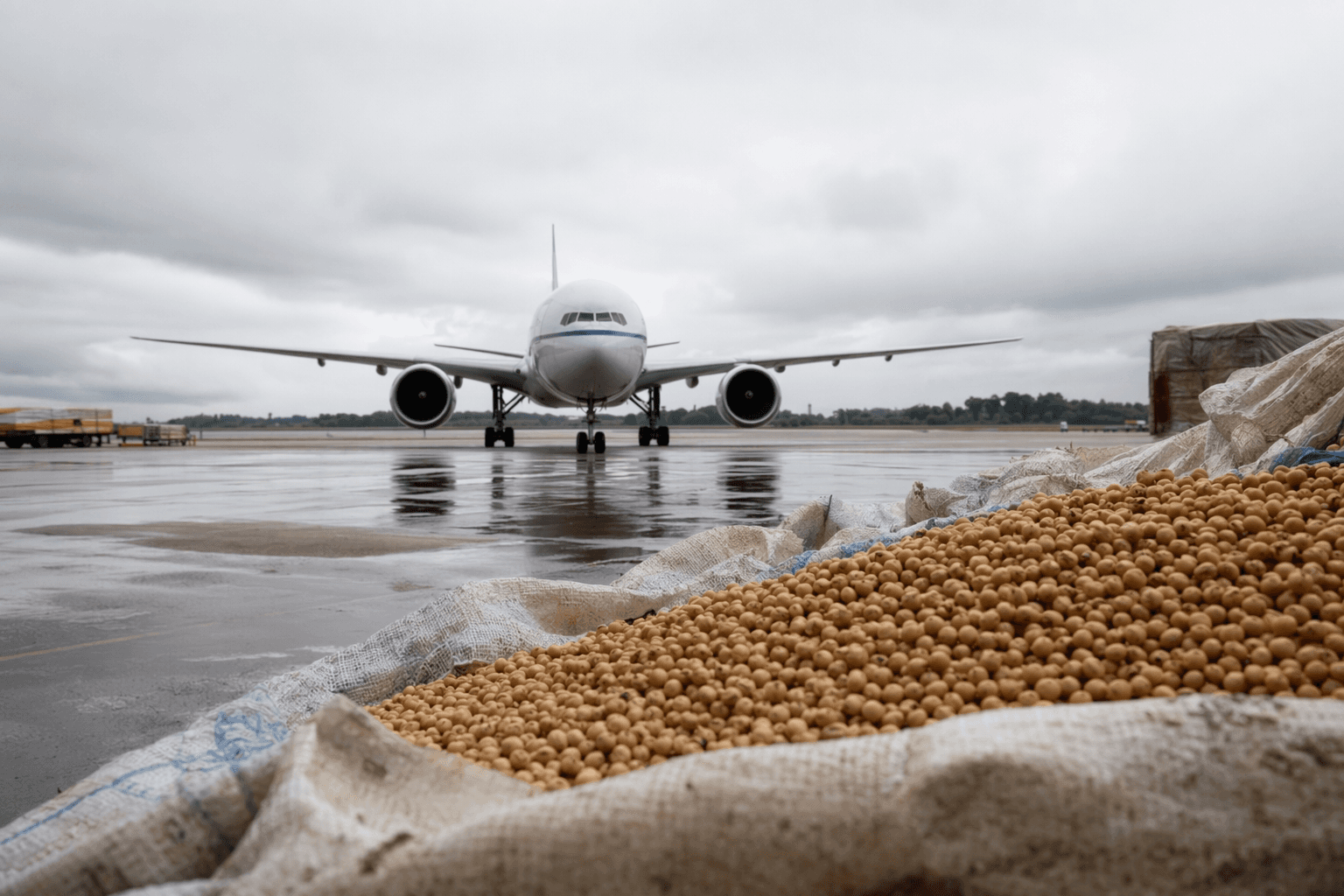
Trump says China will expand U.S. farm and airplane purchases
Trump said China would buy more U.S. farm goods and airplanes, but the real test is whether Beijing meets earlier soybean and trade promises.

Donald Trump emerged from his meeting with Xi Jinping saying China would expand purchases of U.S. farm goods and airplanes, but the real test is whether Beijing follows through on the soybean volumes and trade pledges already on the books.
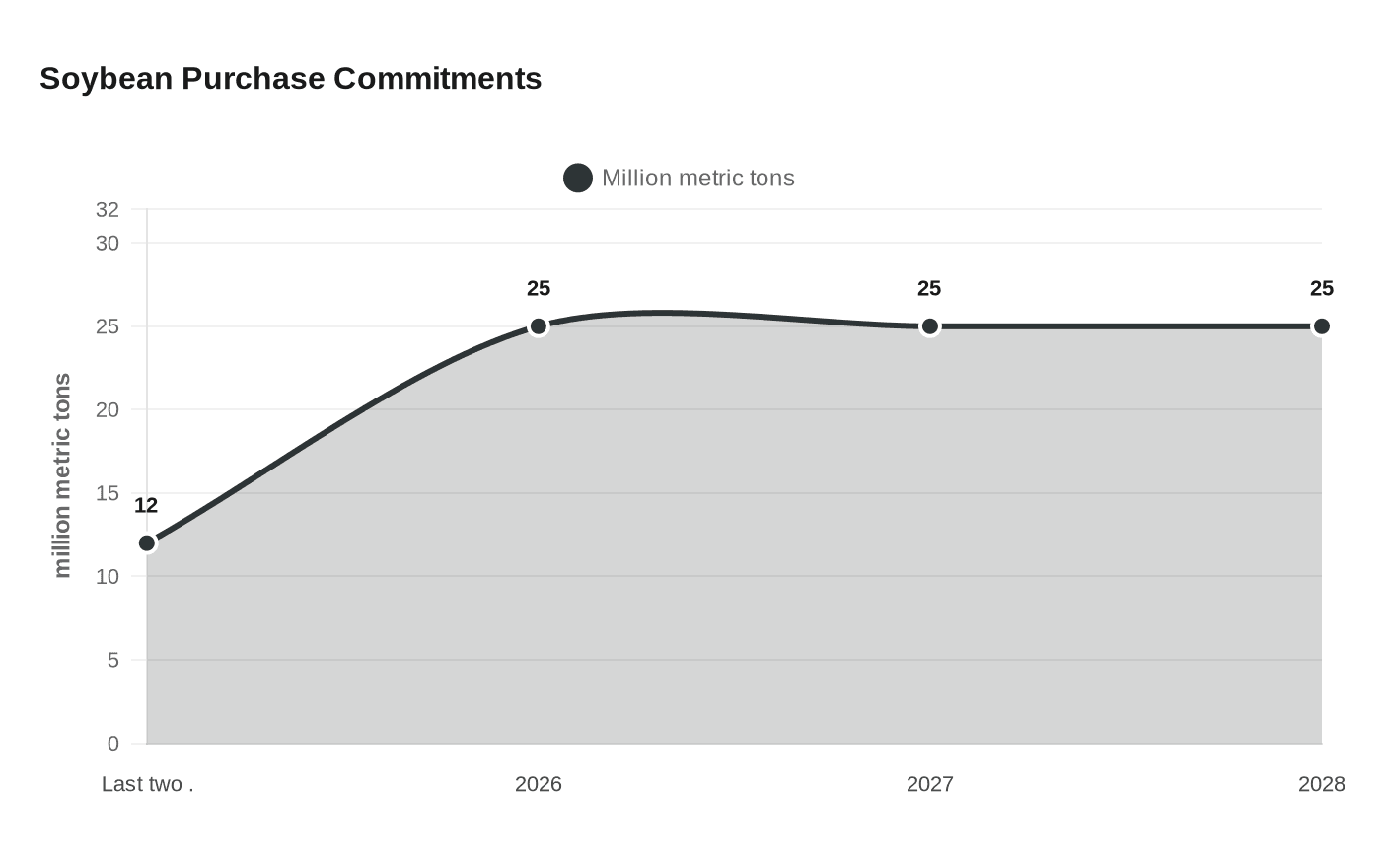
The clearest benchmark remains the White House’s Nov. 1, 2025, fact sheet, which said China would buy at least 12 million metric tons of U.S. soybeans in the last two months of 2025 and at least 25 million metric tons in each of 2026, 2027 and 2028. The same deal suspended retaliatory tariffs on a wide set of U.S. agricultural products, including chicken, wheat, corn, cotton, sorghum, soybeans, pork, beef, aquatic products, fruits, vegetables and dairy products. The Office of the U.S. Trade Representative said the agreement was praised by the American Farm Bureau Federation, the American Soybean Association, National Sorghum Producers, the National Grain and Feed Association and the U.S. Meat Export Federation.
Even as those commitments were being promoted, Washington was pressing Beijing on compliance. On Oct. 24, 2025, USTR opened a Section 301 investigation into China’s implementation of the 2019 Phase One Agreement, saying China appeared not to have lived up to commitments on non-tariff barriers, market access and purchases of U.S. goods and services. In March, U.S. and Chinese officials in Paris discussed possible additional Chinese purchases of U.S. agricultural goods, including poultry, beef and non-soybean row crops, along with new formal trade-management mechanisms described as a Board of Trade and a Board of Investment.
The talks also extended beyond agriculture. U.S. officials raised concerns about China’s restrictions on materials used by American industry, including yttrium, a material used in jet engine turbines. Bloomberg reported that Trump and Xi also discussed increasing agricultural trade and improving oil flows at their May 14 summit in Beijing, while Trump pressed for more Chinese purchases of U.S. farm products and action on fentanyl precursors.
For farmers, the key question is whether promised soybean demand turns into shipments large enough to support prices and basis levels after years of tariff shocks and uneven access to China’s market. For manufacturers, the next signals are whether Beijing eases restrictions that touch aircraft production and whether any broader trade mechanism produces fewer stop-start disputes. Exporters will be watching the same thing U.S. negotiators have emphasized for months: whether China’s latest commitments can be verified in trade data, not just announced at the summit table.
Know something we missed? Have a correction or additional information?
Submit a Tip