Rubio rejects Iran toll plan for Strait of Hormuz, cites illegal control
Rubio said an Iranian toll plan for the Strait of Hormuz was “not acceptable,” as the chokepoint carries about 20 million barrels of oil a day.
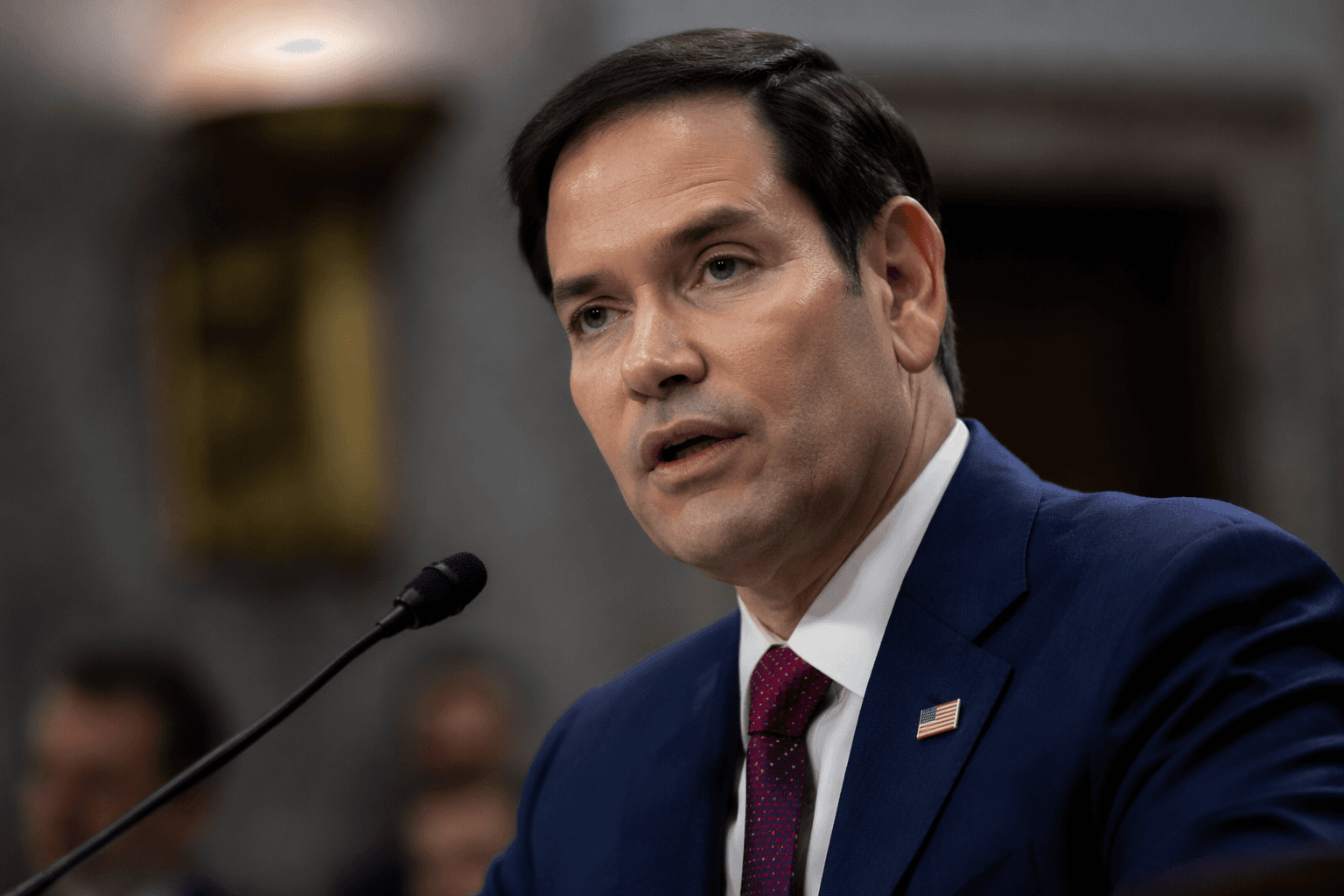
An Iranian toll system for the Strait of Hormuz would hit far beyond diplomacy, reaching U.S. gasoline prices, shipping costs and inflation if it threatened the waterway that carries roughly one-fifth of global petroleum liquids consumption. Marco Rubio said the idea was “not acceptable,” calling it “unfeasible” for any deal and “completely illegal,” a sharp warning that suggested Washington would not tolerate Tehran trying to decide who may pass through one of the world’s most important trade arteries.
Rubio’s comments landed while U.S. and Iranian negotiators were still discussing a broader possible settlement. He said there were still “good signs” and later described “some slight progress,” but warned against overstating it. The message was more than a diplomatic swipe: it drew a line around a strait that links the Persian Gulf to the Gulf of Oman and the Arabian Sea, and whose security shapes the price of energy, the cost of cargo insurance and the supply chains of import-dependent economies in Asia.
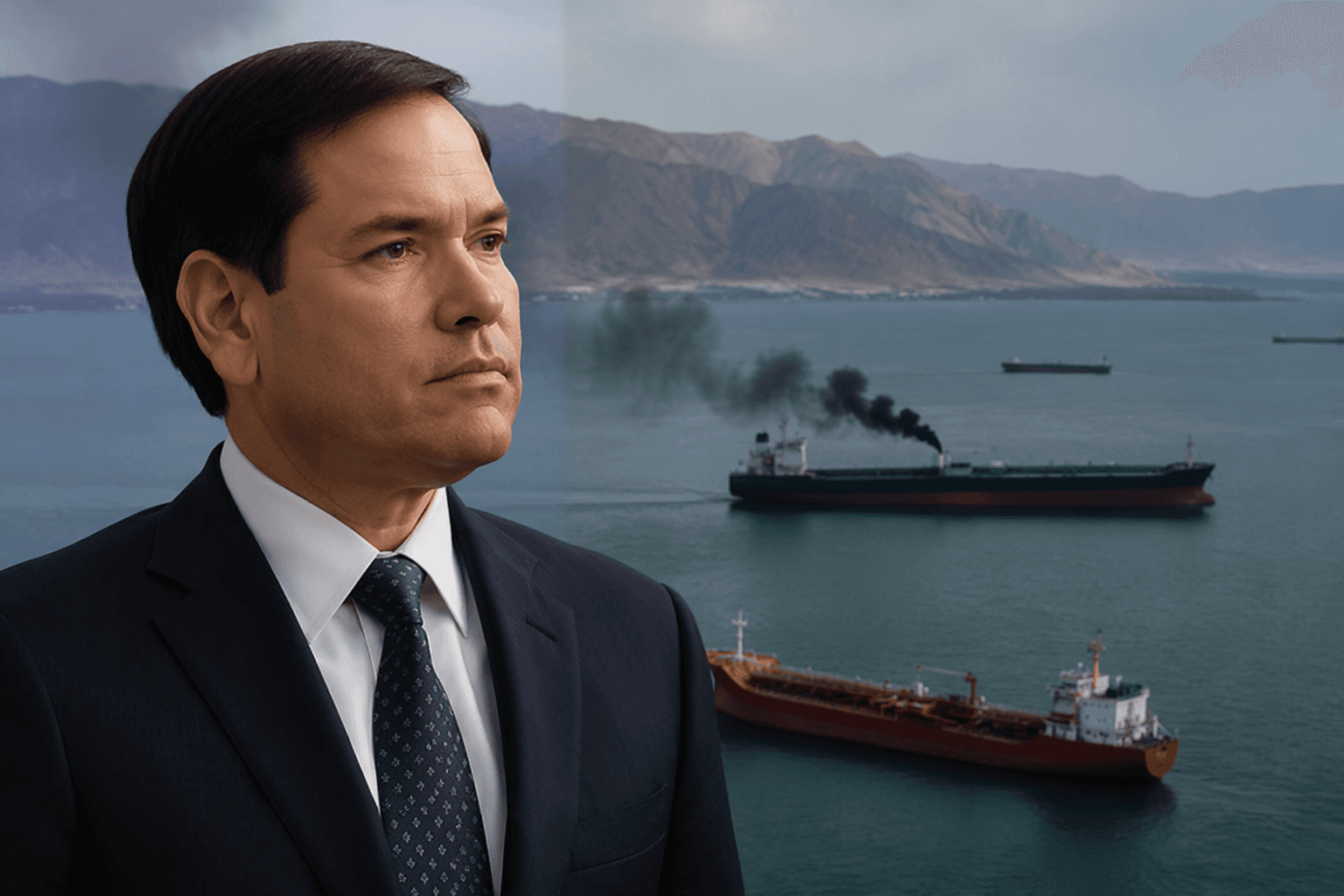
Bloomberg has reported that Iran is discussing with Oman a permanent toll mechanism that would formalize Iran’s control of maritime traffic through the strait. That would amount to a system of declarations, approvals and payments for commercial vessels, an arrangement that would be read in Washington and shipping markets as a challenge to free transit through an international waterway. The Strait of Hormuz is already the world’s most important oil chokepoint, with flows averaging about 20 million barrels per day in 2024 and the first quarter of 2025, according to the U.S. Energy Information Administration. That is about 20% of global petroleum liquids consumption.
The stakes extend beyond crude. The EIA says roughly one-fifth of global LNG trade also moved through the strait in 2024, much of it from Qatar. The International Energy Agency says the passage is the primary export route for oil from Saudi Arabia, the United Arab Emirates, Kuwait, Qatar, Iraq, Bahrain and Iran. Any attempt to tax, delay or block traffic could tighten supply, push up freight and insurance costs, and put added pressure on prices paid by U.S. consumers. Asian importers, especially China, India and Japan, would be among the first to feel the strain.
The shipping-safety argument has also hardened. On March 1, 2026, International Maritime Organization Secretary-General Arsenio Dominguez said, “No attack on innocent seafarers or civilian shipping is ever justified.” Rubio’s warning, set against that backdrop, suggested the debate is no longer just about whether Iran can extract revenue from the strait. It is about whether Washington is signaling a red line that could pull the United States deeper into protecting global commerce in one of the world’s most sensitive maritime corridors.
Know something we missed? Have a correction or additional information?
Submit a Tip