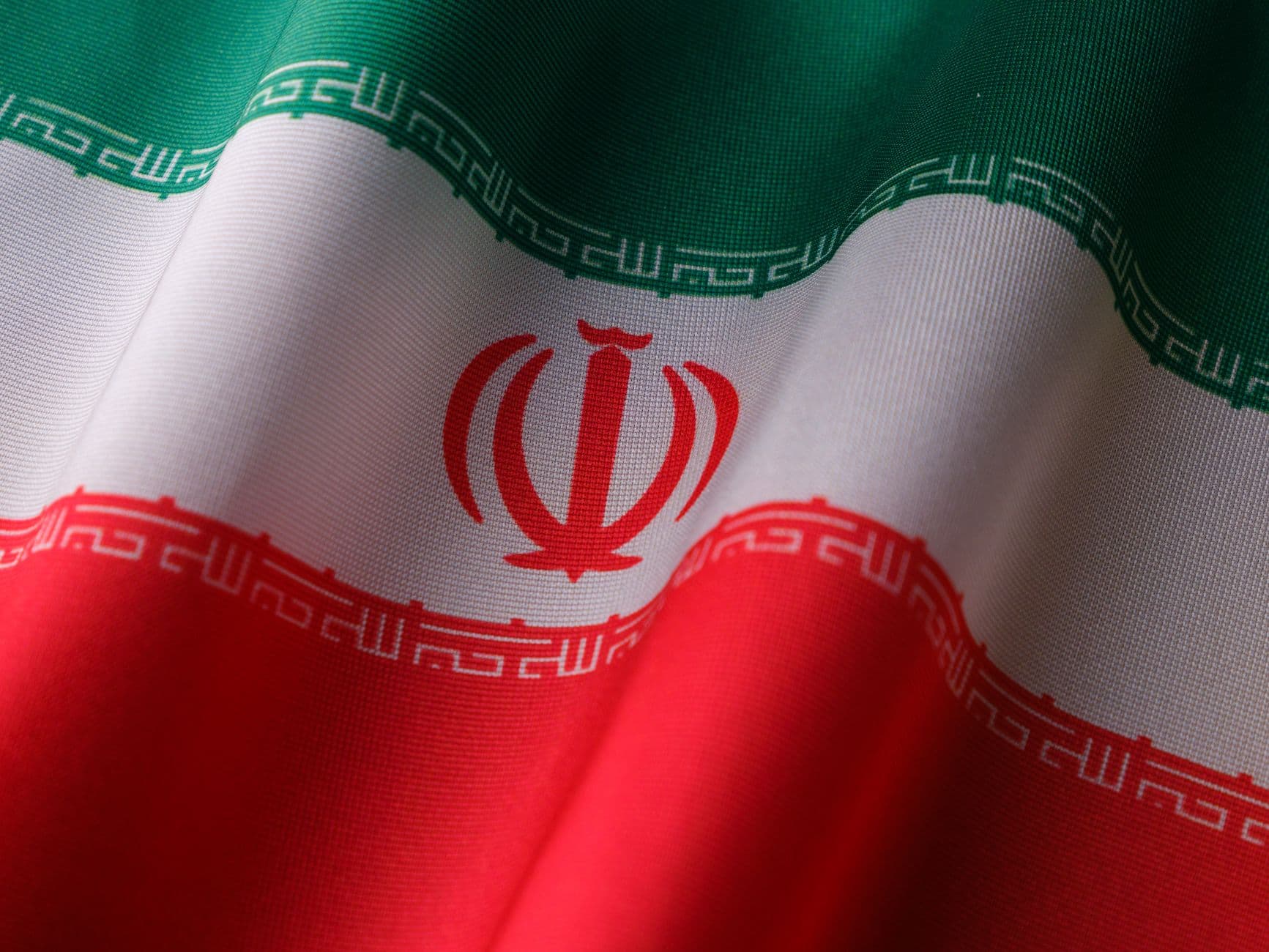
Russia and US misread Ukraine and Iran, analysts say
Russia expected Ukraine to crack; Washington still risks flattening Iran into Tehran’s image. Both misreads turned local realities into long wars.
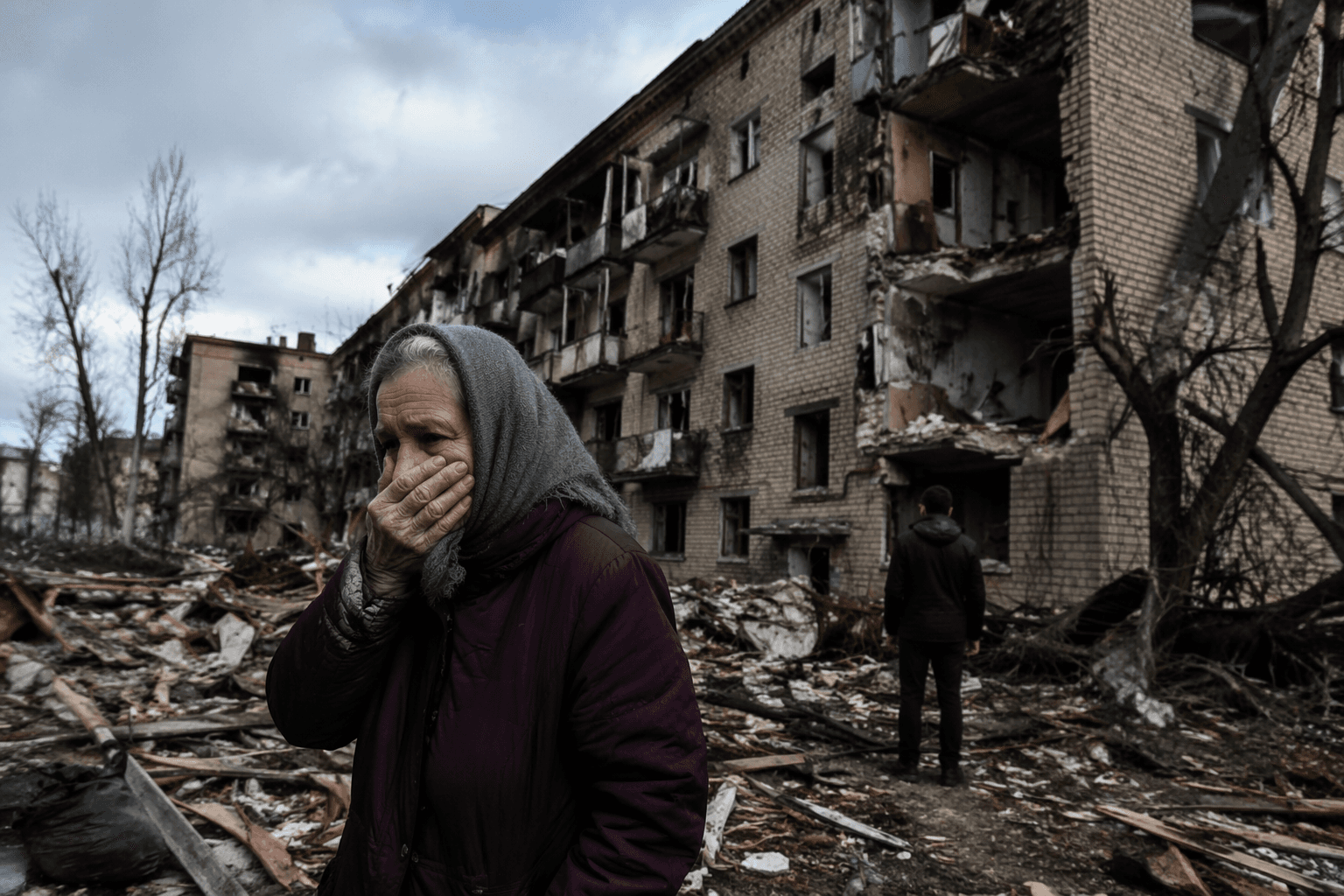
Russia and the United States each made the same strategic mistake: they treated two very different countries as if central power alone defined everything. In Ukraine, Moscow assumed a fractured society could be broken apart or quickly controlled. In Iran, Washington has often acted as if the state rose and fell only with Tehran, overlooking provincial politics, ethnic identity and local grievances.
The cost of that error is clearest in Ukraine. Russia launched its full-scale invasion on February 24, 2022, and four years later still occupied roughly 20 percent of the country. Pre-war polling in February 2022 showed no region of Ukraine with more than one in five people backing unification with Russia, undercutting the Kremlin’s claim that occupation reflected local will. Russian-installed authorities then staged annexation referendums in September 2022 in Donetsk, Luhansk, Kherson and Zaporizhzhia, votes widely described as sham referendums and denounced by many countries.
Ukraine’s resistance did not collapse under the assault. In Kherson and other occupied areas, people took to the streets in the first days of March 2022, and civil resistance quickly widened into an underground network. Over time, that network came to include sabotage, intelligence collection and other clandestine activity, showing that Moscow had misread not only the state but the society beneath it. Volodymyr Zelensky’s government survived because Russian power ran into local knowledge and sustained defiance that central planners had discounted.
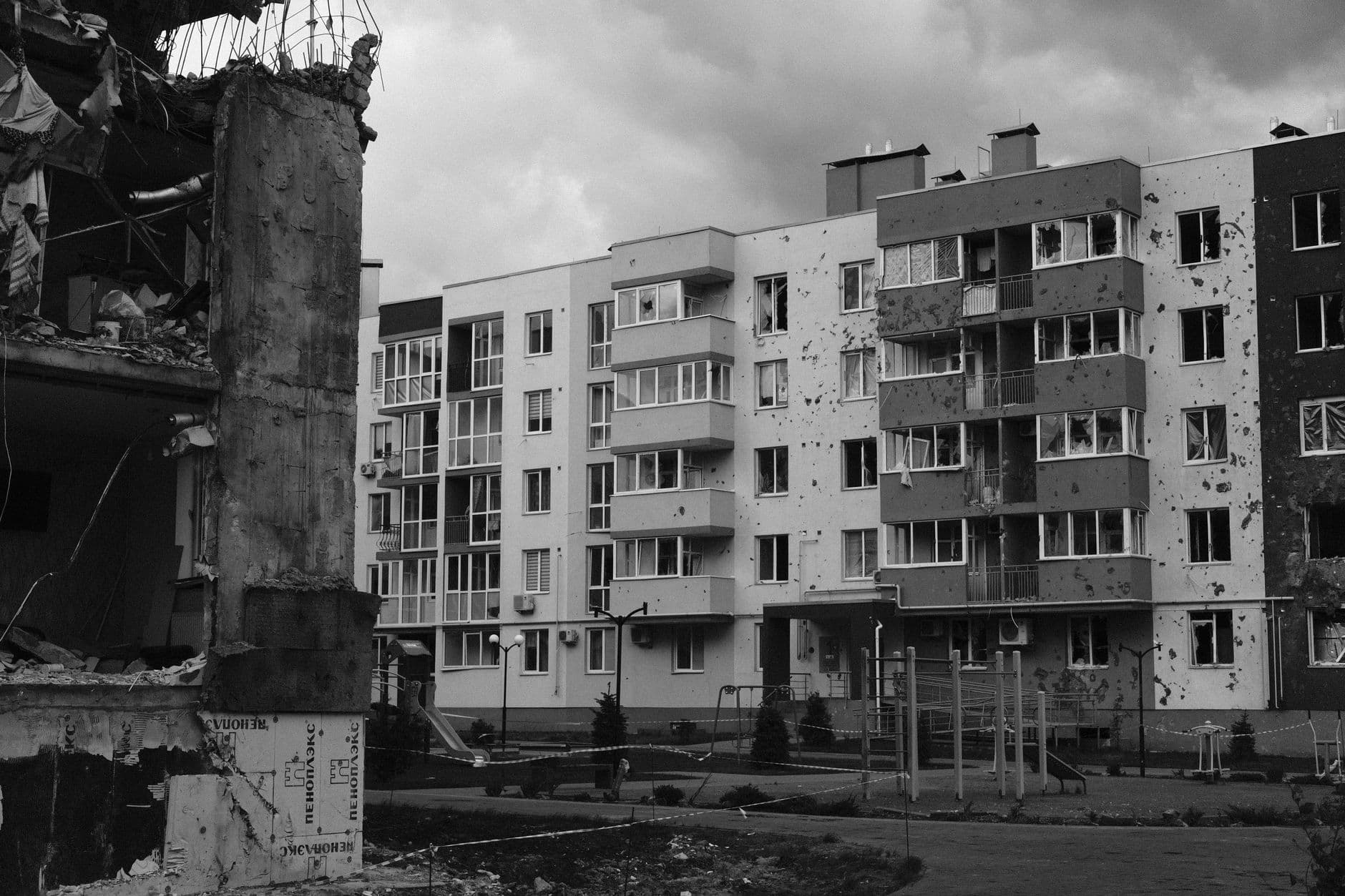
A similar blind spot shapes debate over Iran. The Islamic Republic is not a Persian monolith centered only on Tehran and Ayatollah Ali Khamenei. It is a multiethnic country with large Azeri, Kurdish, Arab, Baloch, Gilaki, Lur and Mazandarani communities, many concentrated in border provinces where local politics can diverge sharply from the capital. That matters because any U.S. strategy built only around top-down control can miss how unrest spreads, where loyalty weakens and which regions might resist repression most strongly.
Recent analysis after the 2026 U.S.-Israel air campaign against Iran argued that Washington had again misread Iranian society, especially the role of minority dynamics outside Tehran. The lesson from Ukraine is not that every state will fracture under pressure. It is that major powers repeatedly overestimate centralized control and underestimate decentralized identity, regional memory and local organizing. Before the next intervention debate, U.S. policymakers should stop assuming that capitals speak for whole countries. In both Ukraine and Iran, that assumption has already proved costly.
This article was produced by Prism’s automated news system from verified source data, official records, and press releases, then run through automated quality and moderation checks before publishing. The system is built and supervised by the people who set the standards it runs under. Read our full AI policy.
Know something we missed? Have a correction or additional information?
Submit a Tip