Russian drone strikes damage Odesa port, hospital, and homes, wounding two
Russian drones hit Odesa’s port, hospital and homes overnight, wounding two and rattling a hub vital to grain exports.

Russian drones struck both Odesa’s port infrastructure and civilian buildings overnight, damaging a hospital, residential homes and logistics facilities in an attack that left two people wounded and again exposed how the war reaches into Ukraine’s economy and daily life at the same time.
Oleh Kiper, the regional governor, said the hospital’s admissions department was destroyed and other parts of the facility were badly damaged. Medical staff and patients were sheltered during the strike and later moved to another facility, a stark sign of how hospitals in southern Ukraine have had to build emergency routines around the threat of incoming drones. Local reporting said the injured were a 47-year-old man and a 56-year-old woman.
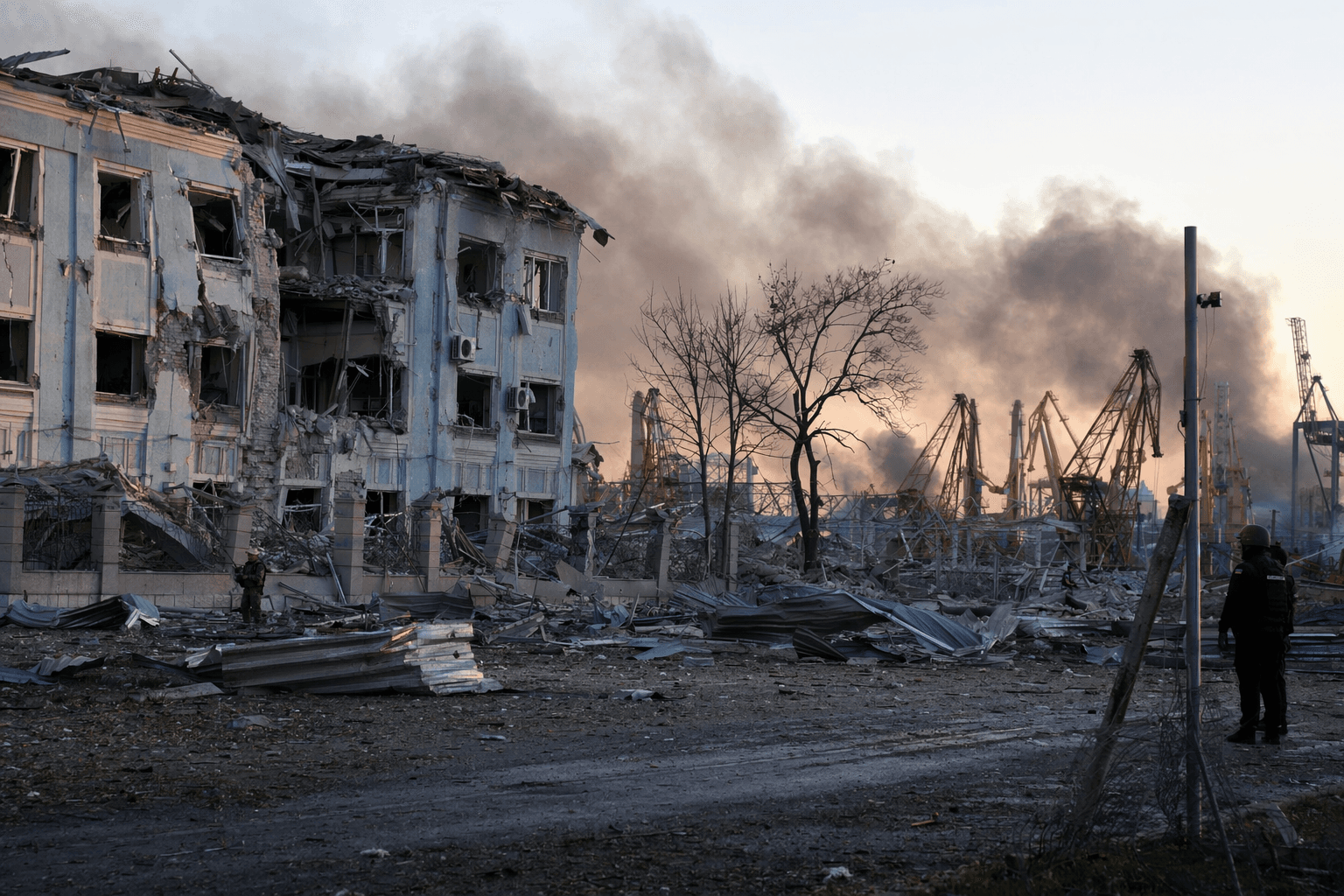
The strike landed in a region that is far more than a frontline zone. Odesa is one of Ukraine’s key maritime gateways, and damage to its port infrastructure can ripple through shipping, trade and the movement of goods across the Black Sea. Ukraine’s Ministry for Development of Communities and Territories said the Ukrainian Sea Corridor has handled 120 million tons of cargo since it began operating, including 76 million tons of agricultural products, which helps explain why attacks on berths, warehouses, railway links and port operators’ facilities carry such broad economic consequences.
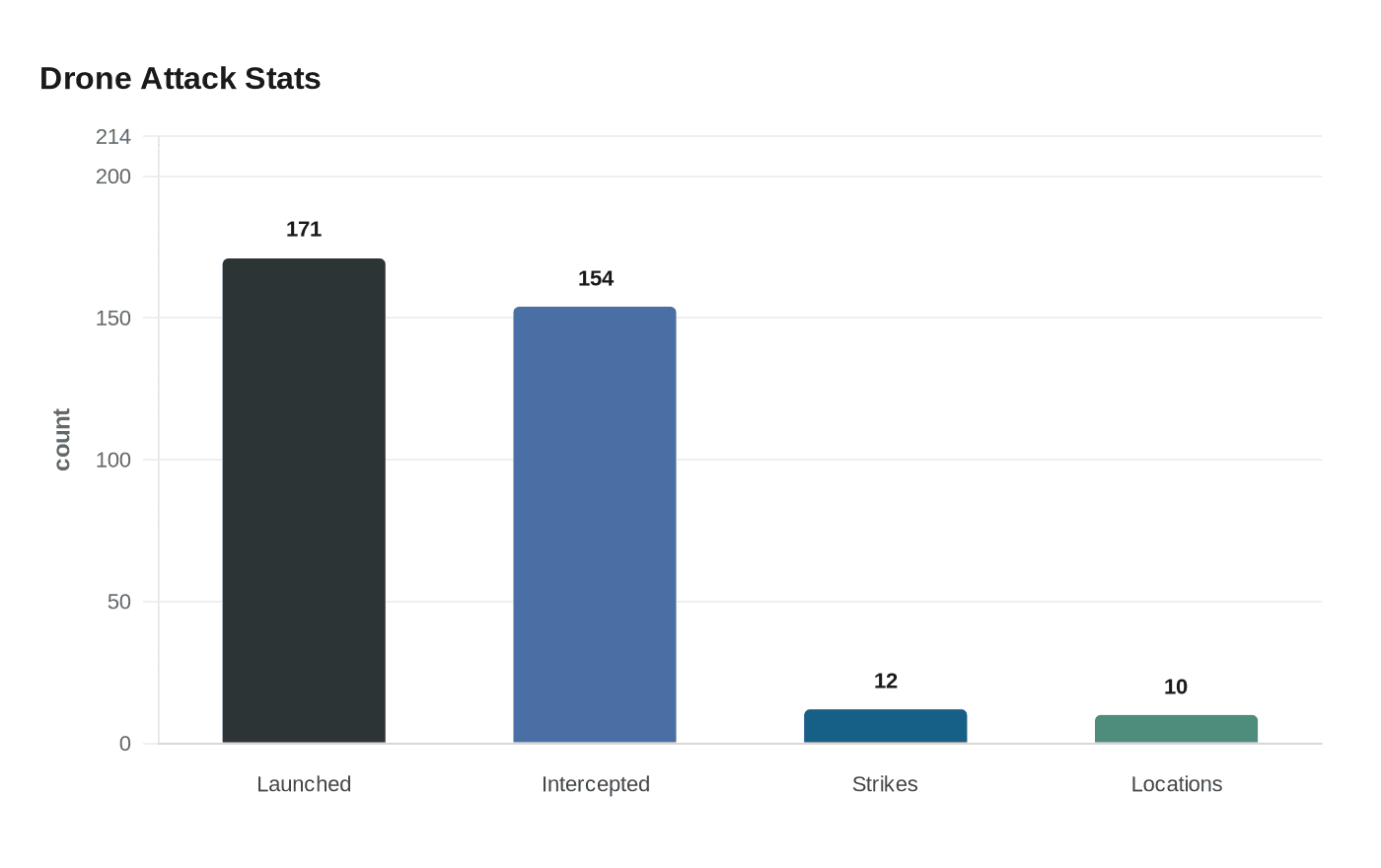
The attack came after a wave of Russian drones across Ukraine, with the air force saying 171 drones were launched and 154 were intercepted. Officials said 12 strikes were recorded across 10 locations, underscoring the scale of the aerial campaign surrounding Odesa’s damage.
Odesa’s port system has already been under repeated pressure. A strike on April 22 damaged berths, warehouses, railway infrastructure and port operators’ facilities, and the Ukrainian Sea Ports Authority said the hold of a cargo ship was hit and caught fire. That attack killed a railway worker. Russian drones hit the city again a day later, wounding at least 18 people and damaging residential buildings, showing that the southern port and the neighborhoods around it remain recurring targets rather than isolated incidents.
For Odesa, the damage is not only physical. Each blast threatens the infrastructure that keeps the city connected to the rest of Ukraine and to global food markets, while also pushing hospitals, housing and transport deeper into a wartime strain that is becoming harder to separate from ordinary life.
This article was produced by Prism’s automated news system from verified source data, official records, and press releases, then run through automated quality and moderation checks before publishing. The system is built and supervised by the people who set the standards it runs under. Read our full AI policy.
Did this article answer your question?