Samsung union threatens strike over bonuses as AI chip profits surge
Samsung escaped an immediate strike, but workers are fighting over who gets paid as AI chip profits surge and bonuses come under the microscope.

Samsung dodged an immediate walkout after its union and management reached a tentative deal late Wednesday, but the fight over bonuses exposed a larger question now running through the AI economy: who gets a bigger share when profits soar.
The National Samsung Electronics Union had warned that about 47,000 workers could join an 18-day strike scheduled to begin May 21, after demanding that Samsung remove a 50% cap on annual-salary bonuses and assign 15% of annual operating profit to a bonus pool. Samsung had countered with a proposal tied to 9% to 10% of operating profit above 200 trillion won in annual profit. The compromise suspended the planned strike and sent the agreement to a union vote set for May 22 to May 27.
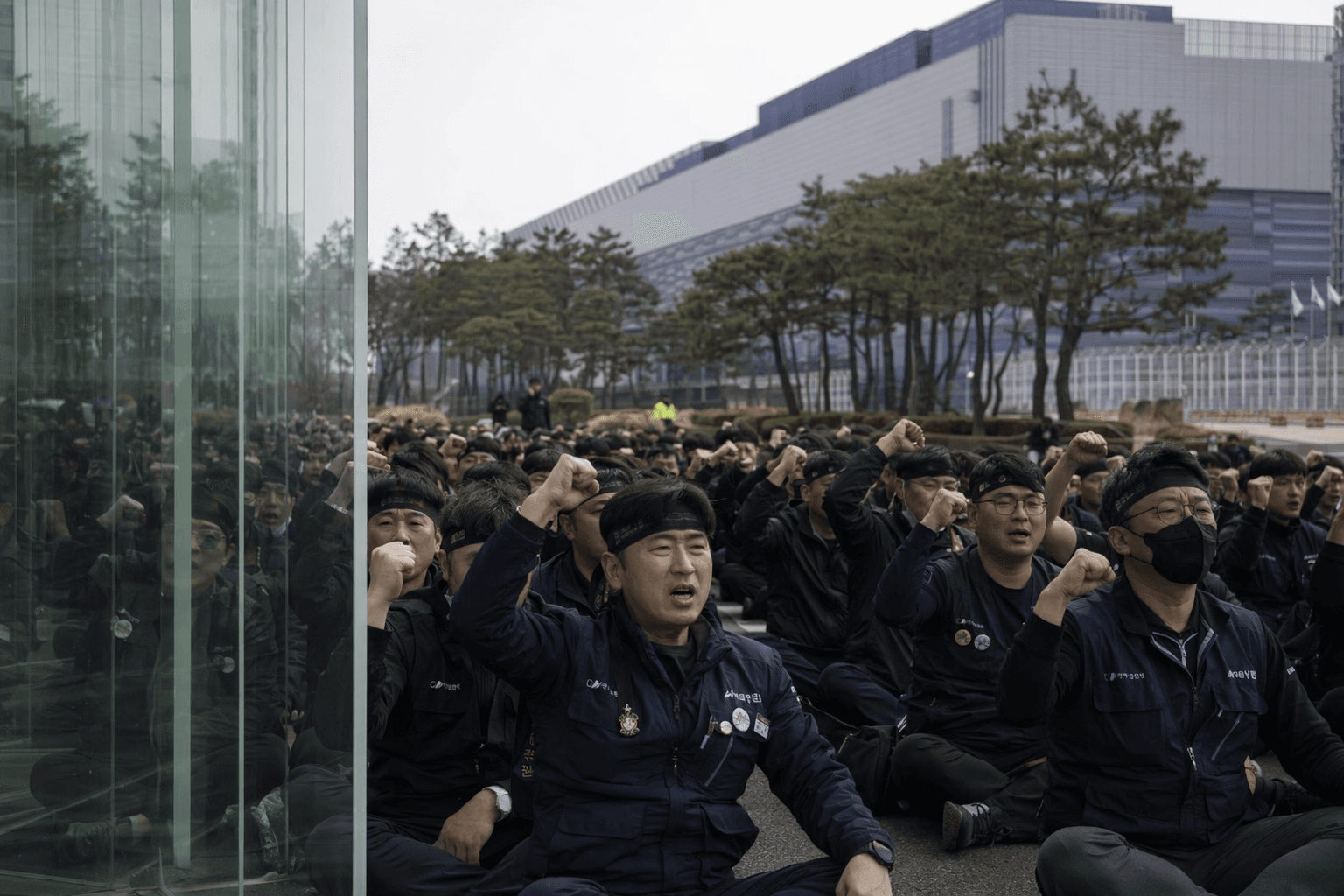
Under the tentative deal, Samsung would abolish the longstanding bonus cap, create a new profit-linked bonus pool, and give workers a 6.2% average salary increase. The package also included improved child-support and housing-loan benefits. Samsung’s chip division would receive a special bonus equal to 10.5% of operating profit, with company stock and longer-term profit thresholds also part of the settlement.
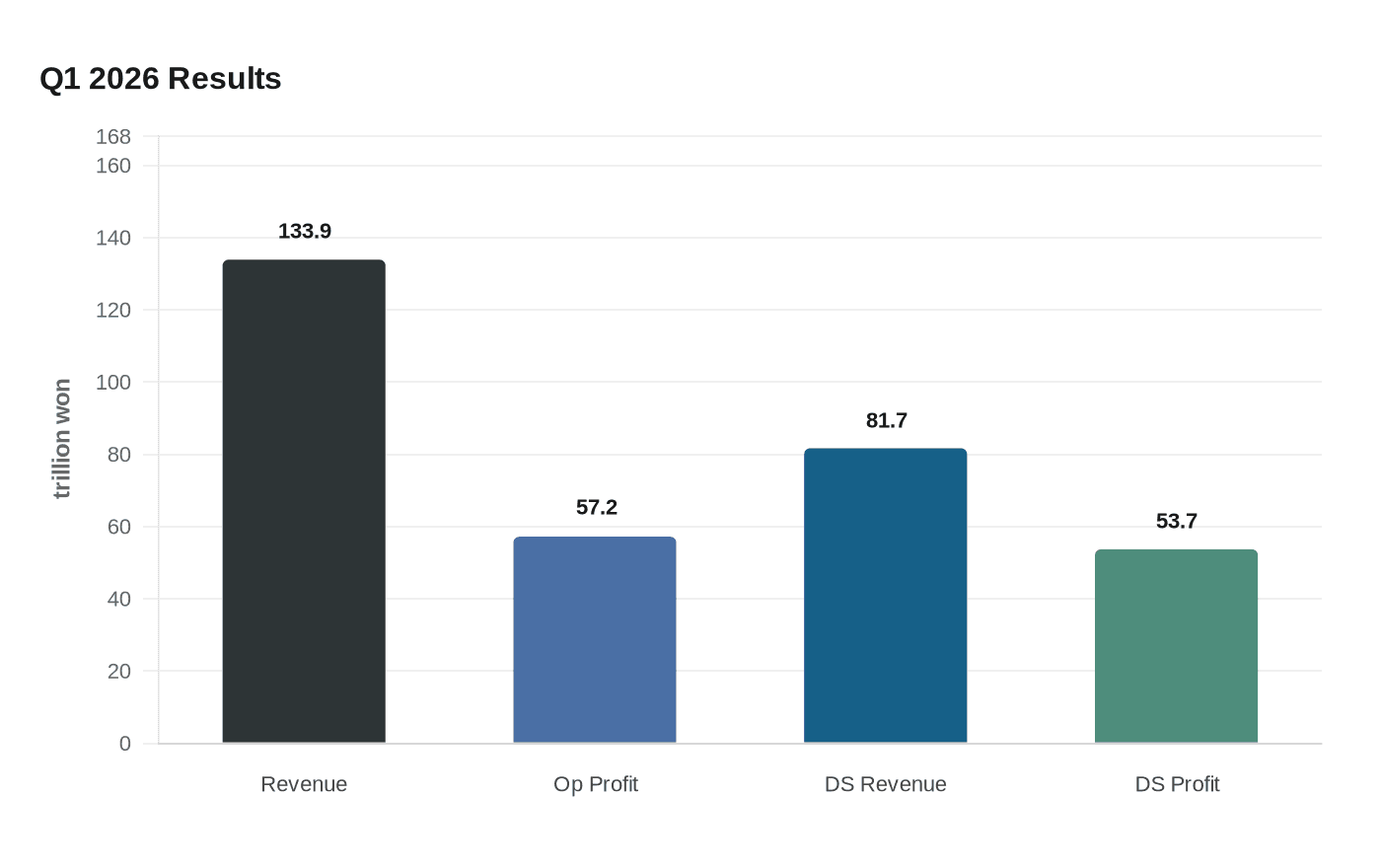
The labor standoff landed because Samsung’s results have been surging on the back of AI demand. In the first quarter of 2026, Samsung reported revenue of 133.9 trillion won and operating profit of 57.2 trillion won. Its Device Solutions division alone delivered 81.7 trillion won in revenue and 53.7 trillion won in operating profit as memory chip prices climbed. Samsung also said its memory business had begun mass sales of HBM4 and SOCAMM2 for Nvidia’s Vera Rubin platform, underscoring how deeply it is embedded in next-generation AI hardware.
The dispute drew unusually high-level intervention from South Korean officials, including President Lee Jae Myung, Prime Minister Kim Min-seok and Labor Minister Kim Young-hoon, all of whom urged compromise. That urgency reflected the broader risk: officials warned a chip strike could cost South Korea about 1 trillion won a day, and as much as 100 trillion won if wafers under production had to be scrapped. Samsung accounts for nearly a quarter of South Korea’s exports, making any prolonged shutdown a threat not just to one company’s margins, but to the country’s trade balance.
The immediate market reaction was relief, with Samsung shares rising more than 6% as strike fears eased. But the deeper issue remains unresolved. AI has turned Samsung’s chip business into a profit engine, and workers inside and outside that division are now pressing a simple claim: if the boom is lifting the company to record earnings, the upside should not stop at the top.
Know something we missed? Have a correction or additional information?
Submit a Tip