Short eight-pose flow reframes posture as moving practice
A new how-to reframed posture as movement and offered an eight-pose sequence to counter tech neck and prolonged sitting. Practical cues and props make the flow accessible.
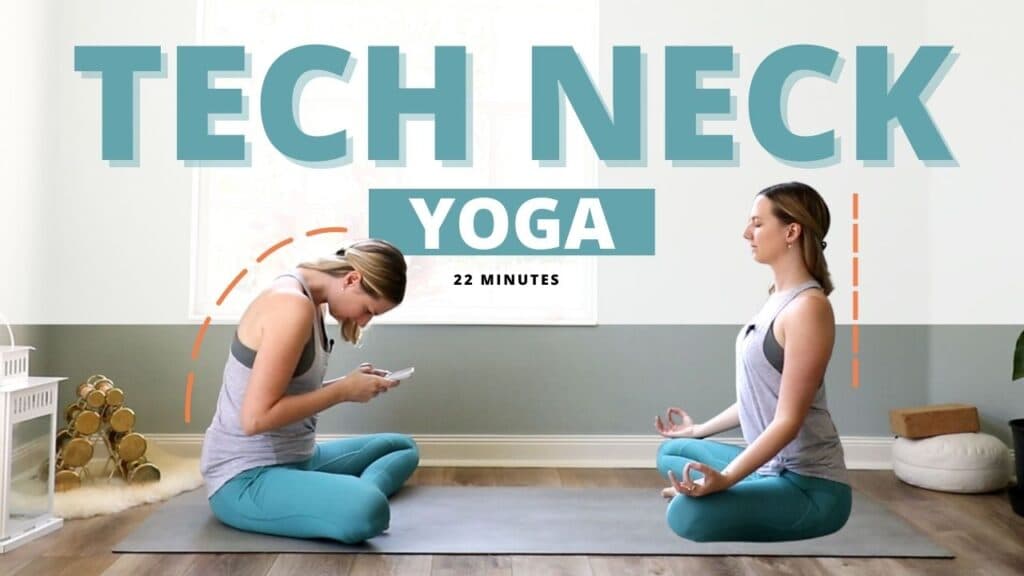
A posture-focused how-to reframed posture as a dynamic, moving quality rather than a single fixed alignment, and offered a short, repeatable sequence designed to strengthen the muscles that support healthy alignment. The piece explained how everyday habits such as tech neck, a tucked pelvis and prolonged sitting erode spinal health and then gave eight accessible yoga-based movements to restore balance and resiliency.
The sequence begins with Rolling Cat, a mobilizing Cat–Child variation that encourages gentle articulation of the spine. That leads to Baby Cobra, a mild backbend that balances front and back body tone, and Upward Salute (Urdhva Hastasana) to cultivate length and vertical alignment. From there the flow moves into standing work with Chair Pose (Utkatasana) to train standing support and Warrior I (Virabhadrasana I) to build stable stride mechanics.
Floor and restorative shapes finish the set: Wide-Legged Standing Forward Bend (Prasarita Padottanasana) creates spinal space and practices a hip hinge, Bridge Pose (Setu Bandha) counters sitting by strengthening glutes and the low back, and Restorative Fish (supported Matsyasana) offers gentle back extension using props for comfort. The sequence is designed to be short and repeatable so it can fit into daily life or a short transitional practice.
Practical cues emphasized moving posture rather than chasing a single picture-perfect alignment. Simple translations into everyday routines included rolling the shoulders regularly, hinging from the hips when bending, and avoiding excessive lumbar sway while standing. The how-to recommended holding most poses for five to ten breaths, and offered prop-based modifications throughout so students with limited mobility or persistent discomfort could access each movement safely.
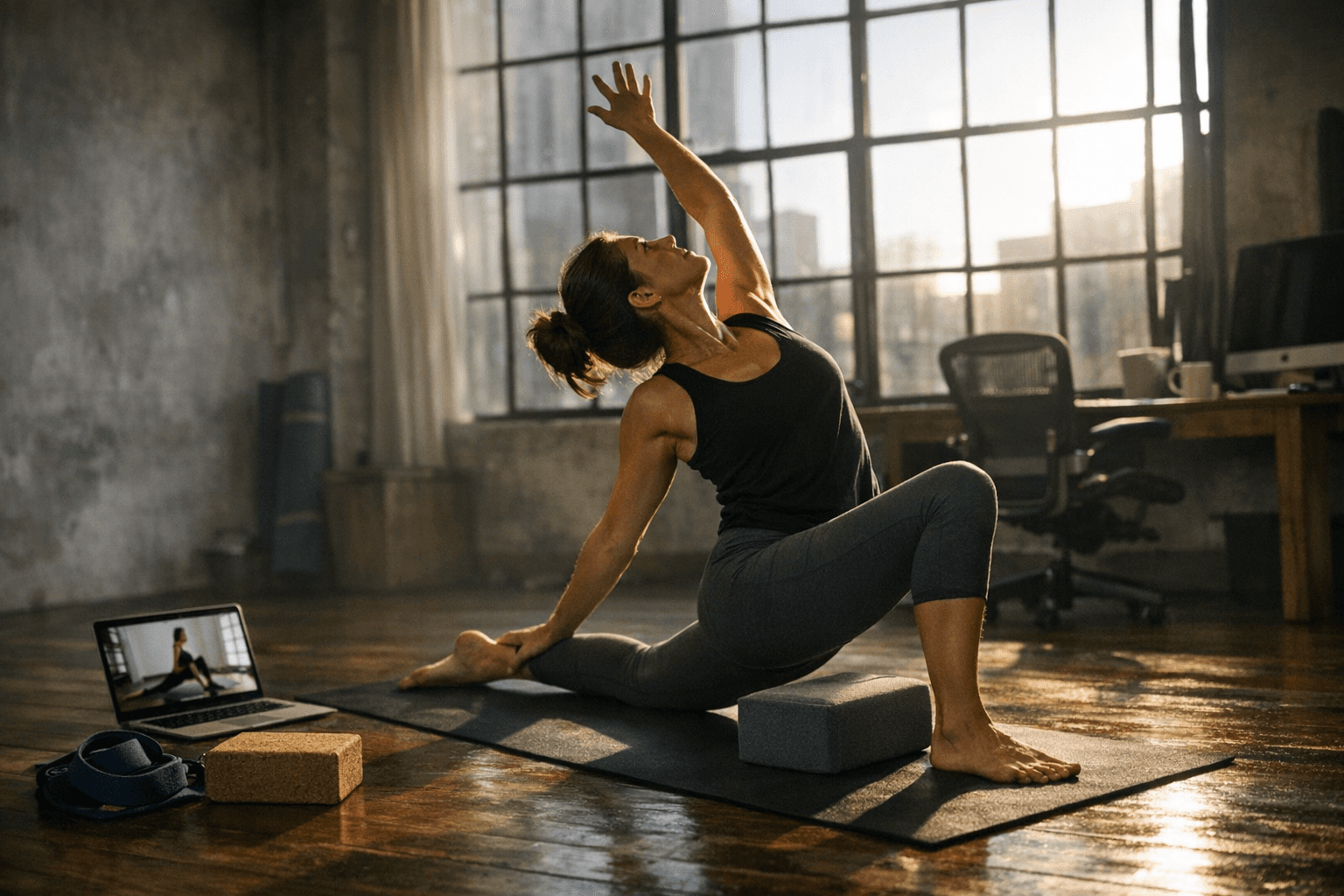
Accessibility was a through-line: props such as blocks, bolsters and a folded blanket were suggested to support Bridge and Restorative Fish, and the sequence was presented as flexible rather than prescriptive. Safety cues focused on mindful range of motion, steady breath, and maintaining a sense of ease in the neck and low back.
For community practice this matters because posture improves most when it is practiced as movement habits integrated into daily routines. Short flows like this one give a clear, actionable path: practice a little and often, prioritize consistent repetition over perfect form, and translate yoga cues into everyday body mechanics. Expect durable change when these eight moves become part of commute breaks, desk resets and short morning or evening routines.
Know something we missed? Have a correction or additional information?
Submit a Tip