Sierra Leone agrees to receive West African migrants deported by US
Sierra Leone will take 25 West Africans on May 20, the first step in a U.S. deal to send up to 300 ECOWAS migrants a year to the country.

Sierra Leone is preparing to receive 25 migrants from Senegal, Ghana, Guinea and Nigeria, the first transfer under a U.S. arrangement that could send up to 300 West Africans a year to the country. The deal puts Freetown in the middle of Washington’s push to move deportees to third countries, including places where they have no citizenship, no family ties and, often, no clear legal future.
Foreign Minister Timothy Kabba said Sierra Leone has signed a Third Country National Agreement with the United States that allows the country to accept 300 citizens of the Economic Community of West African States a year, with a maximum of 25 a month. That cap makes the policy look less like a one-time exception than a managed pipeline. The first flight is expected on May 20, and the people on board are reportedly nationals of Senegal, Ghana, Guinea and Nigeria, not Sierra Leone.
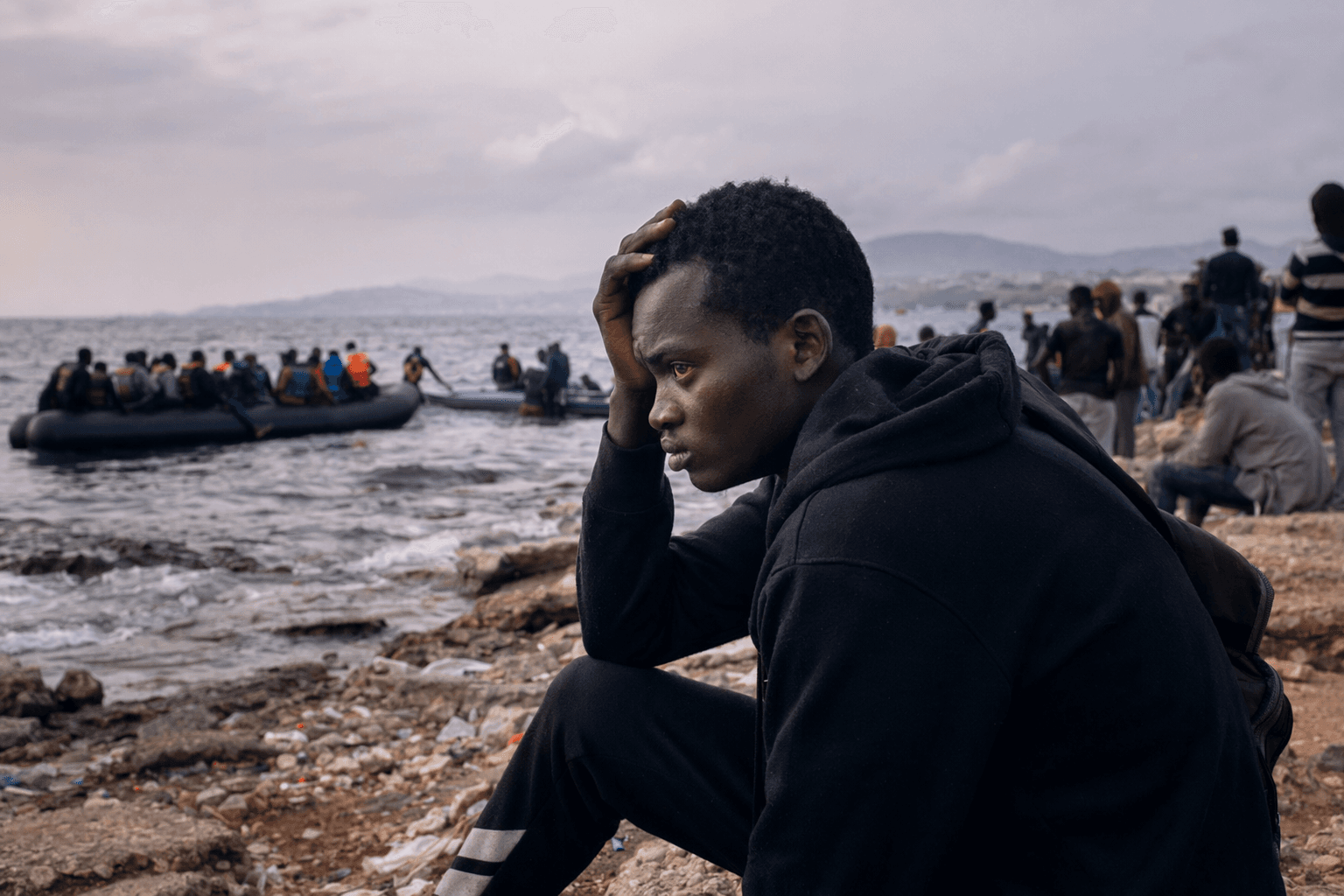
The arrangement matters because it shows how the U.S. has found leverage in a region that is trying to balance migration pressure, diplomatic relations and economic needs. In January, Kabba said Washington had formally asked Sierra Leone to accept “third-party nationals” as part of negotiations over U.S. visa restrictions, and that Freetown would only consider West Africans under refugee-law vetting. That gives Sierra Leone a gatekeeping role, but it also ties migration policy to broader talks with the United States.
The likely path for the deportees is already visible from other African cases. Ghana received 14 third-country nationals in September 2025, including 13 Nigerians and one Gambian, none of them originally from Ghana. Ghana later said the group was returned to their home countries. Other African governments that have received or agreed to receive similar transfers include Eswatini, Rwanda, South Sudan and Uganda.
The legal and humanitarian criticism has been fierce. Human Rights Watch said U.S. expulsions to Eswatini, Ghana, Rwanda and South Sudan exposed several hundred people to risks of arbitrary detention, ill-treatment and refoulement, the forced return of people to danger. The group also said some of the arrangements included U.S. financial assistance, underscoring the transactional nature of the deals. For Sierra Leone, the immediate test will come when the first plane lands: whether the promised vetting can sort out legal status quickly, and whether the country becomes another stop in a deportation system built on third-country outsourcing.
This article was produced by Prism’s automated news system from verified source data, official records, and press releases, then run through automated quality and moderation checks before publishing. The system is built and supervised by the people who set the standards it runs under. Read our full AI policy.
Did this article answer your question?


