Six-Week Home Yoga Program Improves Sleep, Cuts Fatigue, Boosts Activity in RRMS
Six-week home yoga program improved sleep, reduced fatigue, and increased activity in adults with relapsing-remitting multiple sclerosis, offering an accessible complementary option.
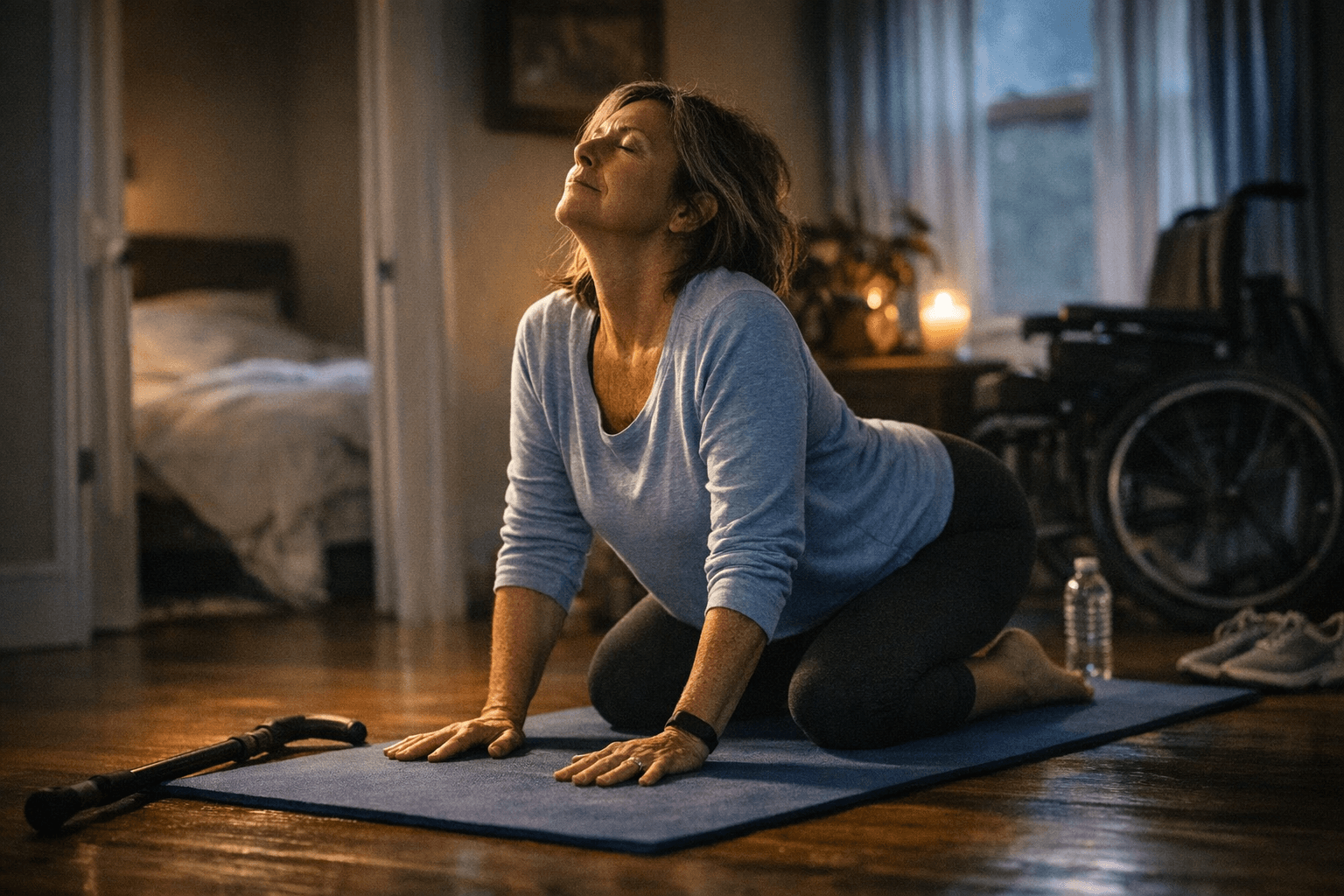
A randomized clinical trial from Turkey led by Andrea Lobo, PhD, found that a six-week home yoga regimen produced meaningful gains in sleep quality, cut fatigue, and boosted physical activity in adults with relapsing-remitting multiple sclerosis (RRMS). Sixty participants were randomized, with 30 assigned to the yoga program and 30 to a no-intervention control group.
The yoga group completed 12 one-hour sessions delivered twice weekly, with training provided online for home practice. Sessions emphasized standing, sitting, and lying postures (asana), breathwork (pranayama), stretching, and relaxation techniques. Participants practiced at home between supervised sessions, making the intervention low-cost and accessible for people managing mobility and clinic access challenges.
Measured outcomes showed large differences. Mean Pittsburgh Sleep Quality Index (PSQI) scores were approximately 3.96 in the yoga group versus about 10.1 in controls, reflecting improvements across sleep duration, sleep latency, sleep disturbances, and daytime function. Fatigue severity scores were lower among participants who completed the yoga program, and self-reported physical activity measured by the International Physical Activity Questionnaire short form (IPAQ-SF) rose in the yoga group, including more walking and increased moderate to vigorous activity.
These results matter for practitioners and community members because they demonstrate a feasible nonpharmacological option that targets three of the most common and disabling symptoms in RRMS: poor sleep, chronic fatigue, and inactivity. The trial’s home-based design reduces barriers such as transportation and exposure risk, and the mix of seated and supine asanas makes it adaptable for different disability levels. Authors highlighted nursing roles in supporting nonpharmacological symptom-management strategies, suggesting nurses can coach patients in safe home practice, monitor progress, and help integrate yoga with routine care plans.
For yoga teachers and community organizers, the study presents a clear, replicable template: twice-weekly one-hour sessions over six weeks, with online instruction and emphasis on breath and relaxation alongside movement. For people with RRMS, caregivers, and clinicians, the findings support considering structured home yoga as an adjunct to medical management, with appropriate individual assessment and clinician clearance.
Wider questions remain about long-term adherence and how benefits translate into quality-of-life and relapse outcomes, but the immediate takeaway is practical: rolling out a short, supervised home yoga course can deliver measurable improvements in sleep and fatigue while nudging activity levels upward for adults living with RRMS.
Know something we missed? Have a correction or additional information?
Submit a Tip