Slow Fermentation Boosts Sourdough Nutrition and Emotional Well-Being
A recent feature examined how slow fermentation in sourdough can improve digestion and reduce antinutrients while also offering emotional benefits through ritual and creativity. Bakers and scientists recommended whole-grain and ancient-wheat flours for flavor and nutrition, and practical tips for beginners were highlighted to help more people bake with confidence.
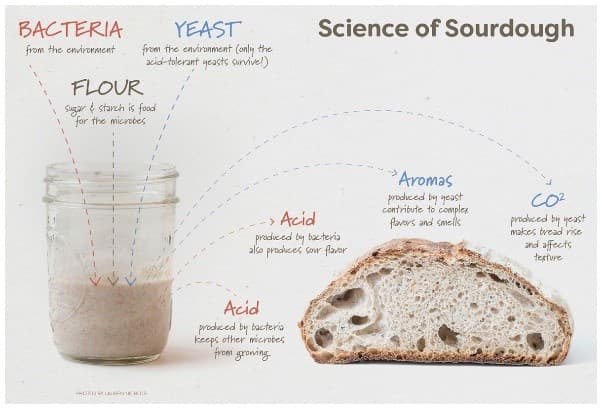
Slow, intentional sourdough baking was shown to deliver both measurable nutritional benefits and meaningful emotional returns in a feature published on December 31, 2025. Researchers and experienced bakers outlined how extended fermentation reduces phytic acid and breaks down proteins and carbohydrates, which can make sourdough easier to digest and potentially gentler for people with certain sensitivities. That combination of science and practice is prompting more home bakers to revisit long ferments rather than rush processes for speed.
On the scientific side, slow fermentation gives lactic acid bacteria and wild yeasts time to act on grain components that otherwise bind minerals or present digestive challenges. The result is bread that may release more available nutrients and present a less aggressive profile for digestion compared with some quicker yeasted loaves. Bakers in the feature urged attention to whole-grain and ancient-wheat flours, noting that those choices enhance both flavor complexity and nutritional content.
Rye was recommended for depth and aroma, while Red Fife and other heritage wheats were praised for their natural sweetness and character. Using whole-grain or ancient grains changes hydration and timing, so expect stickier doughs and longer bulk fermentation. The piece emphasized that these adjustments are part of the trade-off: richer taste and potential health gains for a bit more attention to process.
Beyond chemistry, the feature documented sourdough as a ritual practice that supports mental well-being. Maintaining a starter, planning multi-day ferments, and tending to dough were described as grounding activities that provide structure and creative outlets. Bakers spoke of the meditative rhythm of feedings and the satisfaction of seeing a starter peak after careful care. That emotional side helps explain why many people return to sourdough during stressful times or as a regular creative hobby.
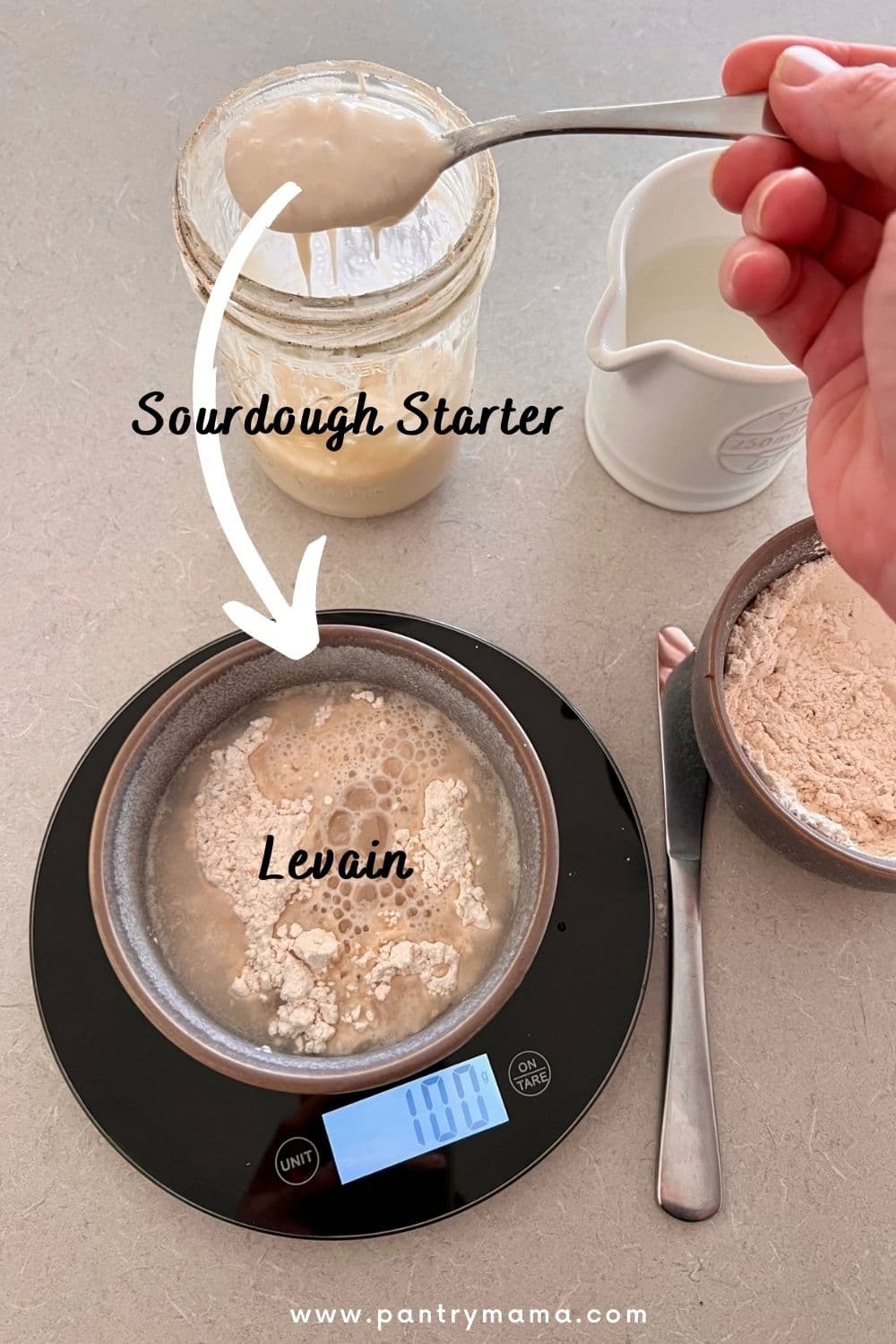
Practical advice for beginners focused on reliable, low-friction habits. Use a scale for consistent measurements, keep notes about timings and temperatures, and target comfortable fermentation temperatures rather than forcing extremes. The starter was presented as versatile: discard can be used in pancakes, pizza crusts and quick batters, turning what might be waste into dependable recipes. For those starting a starter, sourcing mature or dehydrated starters from trusted local bakers yielded more reliable early performance than ad hoc wild captures for many newcomers.
The combined message was clear: slow sourdough offers both practical nutritional benefits and a creative, calming practice that strengthens community ties as bakers share flour, starters and techniques. For home bakers ready to slow down, the feature provided concrete steps to get started and reasons to keep the process as much about care as about the loaf.
Sources:
Know something we missed? Have a correction or additional information?
Submit a Tip